



'/%3E%3C/svg%3E)
 --%3E %3Csvg version='1.1' id='Fill' xmlns='http://www.w3.org/2000/svg' xmlns:xlink='http://www.w3.org/1999/xlink' x='0px' y='0px' viewBox='0 0 100 100' enable-background='new 0 0 100 100' xml:space='preserve'%3E %3Cpath fill='%23F15C02' d='M79.44,0.95H20.56C9.78,0.95,0.95,9.78,0.95,20.56v58.87c0,10.79,8.82,19.61,19.61,19.61h58.87 c10.79,0,19.61-8.83,19.61-19.61V20.56C99.05,9.78,90.22,0.95,79.44,0.95z M65.38,58.24l9.38,29.58L49.69,69.78L24.5,87.82 l9.34-29.6L8.8,39.6l30.73-0.17c0,0,6.98-19.61,10-28.93c0.54,1.36,9.88,29.1,9.88,29.1H91.2L65.38,58.24z'/%3E %3C/svg%3E)
 --%3E %3Csvg version='1.1' id='Half' xmlns='http://www.w3.org/2000/svg' xmlns:xlink='http://www.w3.org/1999/xlink' x='0px' y='0px' viewBox='0 0 100 100' enable-background='new 0 0 100 100' xml:space='preserve'%3E %3Cg%3E %3Cpath fill='%23F15C02' d='M30.05,70.23l3.79-12.01L8.8,39.6l30.73-0.17c0,0,6.98-19.61,10-28.93c0.54,1.36,9.88,29.1,9.88,29.1h1.58 L93.71,7.18c-3.58-3.82-8.66-6.23-14.28-6.23H20.56C9.78,0.95,0.95,9.78,0.95,20.56v58.87c0,5.41,2.22,10.32,5.79,13.88 L30.05,70.23z'/%3E %3C/g%3E %3Cpath fill='%23FBC8B4' d='M93.71,7.18L60.98,39.6H91.2L65.38,58.24l9.38,29.58L49.69,69.78L24.5,87.82l5.55-17.59L6.75,93.32 c3.55,3.54,8.44,5.73,13.82,5.73h58.87c10.79,0,19.61-8.83,19.61-19.61V20.56C99.05,15.4,97.01,10.69,93.71,7.18z'/%3E %3C/svg%3E)
' fill='%23F15C02' d='M49 0C21.938 0 0 21.938 0 49s21.938 49 49 49 49-21.938 49-49S76.062 0 49 0m0 82.709a7.54 7.54 0 1 1 0-15.08 7.54 7.54 0 0 1 0 15.08m7.54-28.412a7.541 7.541 0 0 1-15.08 0V22.831a7.54 7.54 0 0 1 15.08 0v31.466z'/%3E%3C/svg%3E)
MANUALS (4)

Product Highlights


Specs
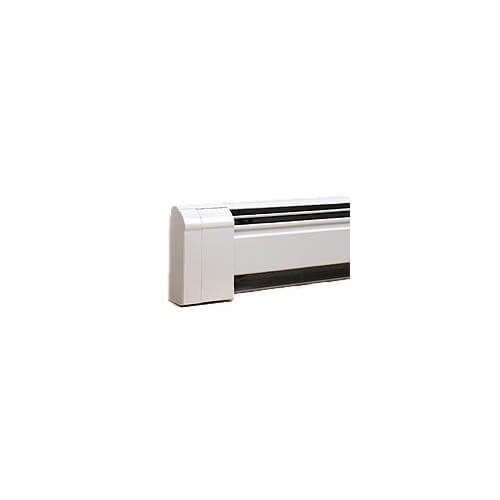
| Length (Feet): | 8' |
|---|---|
| Application: | Heating |
| Height (Inches): | 7" |
| Depth (Inches): | 2-5/8" |
| BTU Output: | 580 |
| Color: | Nu-White enamel |
| Finish: | Nu-White enamel |
| Model: | Fine/Line 15 |
| Package Type: | Includes Heating Element |


Questions?
Product Reviews
exelent product great service

FIne Line/15 was just right
good
Excellent Service
Works great
 --%3E %3Csvg version='1.1' id='With-RB' xmlns='http://www.w3.org/2000/svg' xmlns:xlink='http://www.w3.org/1999/xlink' x='0px' y='0px' viewBox='0 0 100 100' enable-background='new 0 0 100 100' xml:space='preserve'%3E %3Cpath fill='%23FBC8B4' d='M79.44,0.95H20.56C9.78,0.95,0.95,9.78,0.95,20.56v58.87c0,10.79,8.82,19.61,19.61,19.61h58.87 c10.79,0,19.61-8.83,19.61-19.61V20.56C99.05,9.78,90.22,0.95,79.44,0.95z M65.38,58.24l9.38,29.58L49.69,69.78L24.5,87.82 l9.34-29.6L8.8,39.6l30.73-0.17c0,0,6.98-19.61,10-28.93c0.54,1.36,9.88,29.1,9.88,29.1H91.2L65.38,58.24z'/%3E %3C/svg%3E)
excellent attractive basebord
Exactly as Described
happy with baseboard heaters
Great follow through
Looks good and easy to install
Product Q&A
16 QuestionsQ: What is the difference between the slant line 15 and the 30 in terms of heating . Also what is the cost difference on a 8 foot section. Can both of these products be painted with a different color. If so what type of paint is recommended?
Asked by Jay 12 years ago
Add your answer
Verified Reply- SupplyHouse StaffThe Fineline 15 series is discontinued and no longer available. The 30 series has a slightly higher BTU output per foot. Either can be painted, Slantfin suggests Rustoleum spray paint specifically.
Q: Do these units come in white. Not beige or off white?
Asked by Peter (Sandy Victim) 13 years ago
Add your answer
Verified Reply- PexSupply StaffSlant/Fin baseboards are currently only available in nu-white, but they can be spray painted.
yes they come in white I have ice white subway tiles and the color is almost the same
Q: how many of these baseboards will i need to heat my 2600square foot house
Asked by kim 14 years ago
Add your answer
Verified Reply- PexSupply StaffIt depends on the BTU requirement of your house and the water temperatures you're running. See the link below for per-foot output ratings of this baseboard. http://s3.pexsupply.com/manuals/1253196590775/17627_PROD_FILE.pdf
Q: I have 1" copper baseboard now and will add a new 16 foot section in the middle of the existing. My contractor says it is ok to neck down to the (Fine/Line 15) 3/4" copper in the middle of a run and then back up to the old 1". Is that OK? ((Actually he's already got a section of 3/4" connector pipe running under the new slab.)) --G
Asked by fixer 14 years ago
Add your answer
Verified Reply- PexSupply StaffThis should not be a problem, but you also have the option of installing a unit with a 1" element. Slant/Fin's Multi/Pak 80 series has this option.
Yes it is OK. We have 1" from the boiler to new 3/4 baseboard and then going into existing rads that are 1". Need to careful to bleed the air out of all of them as it can get stuck. Pamm
yes--It's fine. On a huge installation it might matter, but not on residential small jobs. The pressure differential will be minimal. Sent from my iPad
It will reduce the flow in the rest of the run more than an additional 16' of 1" radiator would, but will still work. If the flow was anywhere near marginal before, you might want to put a 1" bypass with a valve (actually, just add a valve to but leave in place the original 1" pipe between the exit to the new section and it's return. With the valve closed, you have what your contractor is suggesting. With the valve open, you have you old system without significant flow in the new section. You can partially close the valve to choose how much flow to divert to the new section, and the rest flows in just your old system as before. Be sure to use a full-port ball valve or full-port gate valve, so when it's open you have the full normal bore of the 1" piping. Joe
Q: How many 6 or 8 foot units would it take to comfortably heat a 900 sq ft house with two very small bedrooms? Living room and kitchen are the largest rooms in the house.
Asked by Ruthie Rental 14 years ago
Add your answer
It depends on several things. How many BTU/hour you design to deliver and at what boiler water temperature (the boiler must be up to it). For instance the 3/4" element Fine/Line 15 baseboards deliver 550 BTU/hour per foot at 180F water flowing at 1GPM or 580 BTU/hour at 180F water flowing at 4GPM, according to their catalog sheet on the Fine/Line 15 series (see http://www.slantfin.com/images/stories/Product-Literature/catalogsheet_fineline15_15_10.pdf or http://www.slantfin.com/index.php/products/baseboard-residential/fine--line-15). How many BTU/hour you'll want in turn depends on the outside wall insulation value and wall area of your house (adjusted for windows), and the increase in inside temperature over the outside temperature you want to sustain. But as a rough guide, I've found that somewhere between half and all of the outside walls (less doors, of course) is where the numbers fall for a good comfortable installation. Outside walls are definitely the preferable location for the baseboards, so their heat goes directly to warming the coldest surfaces - which makes for much better comfort than heating anything other than the coldest wall surfaces. Extra is nice in bathrooms, but usually hard to find space for, and the kitchen will need less, it has it's own heat sources. Don't overdo separating zones, it's not needed. Three max, for living/sleeping/bath areas, but combining sleeping & bath works well too, or even just all in one loop with no separate zones. If at all possible, make (each) loop one single run, avoiding plumbing baseboards in parallel with the accompanying need to balance the flow in the two paths. You'll like the heat, way nicer than forced air.
Q: my existing system has a 11 foot regester. what will I need to do to replace the present units
Asked by tony 15 years ago
Add your answer
Verified Reply- PexSupply StaffYou will either need to use a combination of units (perhaps incorporating splice plates and end caps), or use a longer unit and cut it down to size.
Q: Do these baseboard heaters rust in the bathroom. Do they get discolored. If they do do you have ones that do not get rusted. I clean my bathroom very well and the heater -I wipe it but it is getting rust spots.
Asked by 15 years ago
Add your answer
Verified Reply- PexSupply StaffWe would recommend the rust-proof DIY Baseboard Heater Covers ( http://www.pexsupply.com/Baseboard-Heater-Covers-1517000 ). These include a lifetime warranty that guarantees the covers will not rust.
The rust can come from urine. I am not sure about their protective enamel finish.
Q: I removed a cast iron radiator and wanted to know if i can replace it with baseboard
Asked by 15 years ago
Add your answer
Verified Reply- PexSupply StaffYou can under most circumstances.
Q: what gage is the pipe?
Asked by bob 15 years ago
Add your answer
Verified Reply- PexSupply StaffThe element is made of Type M copper.
Q: what should the measurement be from pipe to pipe for the easiest instalation?
Asked by cliff 15 years ago
Add your answer
Verified Reply- PexSupply StaffPlease view page 9 of the following manual: http://s3.pexsupply.com/manuals/1253196590775/17625_PROD_FILE.pdf