




Stainless Steel Gas Flex Connectors (CSST)
Stainless Steel Gas Flex Connectors, commonly known as CSST (corrugated stainless steel tubing), carry natural gas and propane from a building's gas supply to appliances and branch lines. The corrugated stainless construction flexes around obstacles more easily than rigid black iron pipe. This reduces the number of fittings needed on a run and speeds up installation in tight spaces like joist bays and wall cavities. CSST is manufactured by several companies, each with its own fitting system that is not interchangeable with another manufacturer's tubing.
Because CSST fitting systems are brand-specific, a contractor must use fittings, tubing, and installation accessories from the same manufacturer on a single run. Products in this category include tubing, fittings, and the bonding and support accessories that code requires alongside CSST installation. Choosing a single manufacturer's system for a job simplifies ordering and keeps every component compatible.



Subcategories
- Appliance Connectors: Appliance connectors are flexible gas connectors used for the final connection between a gas supply line and an individual appliance, such as a range, dryer, or water heater. They allow an appliance to be moved slightly for cleaning or service without disconnecting the gas line. Length and end-fitting configuration should match the appliance's connection point and the available space behind it.
- CSST Fittings: CSST fittings join lengths of corrugated stainless steel tubing to each other and to rigid pipe, valves, and appliance connections. Because fitting systems are brand-specific, fittings from one CSST manufacturer generally cannot be used with another manufacturer's tubing. Matching the fitting brand to the tubing brand on every joint is required for the system to seal and perform as designed.
- Gastite CSST Fittings: Gastite CSST fittings are designed specifically for use with Gastite tubing and are not interchangeable with other manufacturers' CSST systems. They cover the couplings, elbows, and transition fittings needed to complete a Gastite gas piping run. Using Gastite fittings with another brand's tubing voids the system's design compatibility.
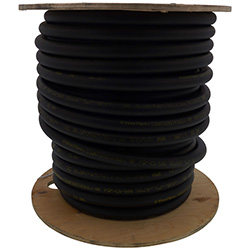
- Gastite CSST Tubing: Gastite CSST tubing is the corrugated stainless steel gas line at the center of the Gastite system, sized for various gas flow and run-length requirements. It pairs exclusively with Gastite fittings and accessories to form a complete, code-compliant gas piping system. Tubing size should be selected based on the appliance load and run length.
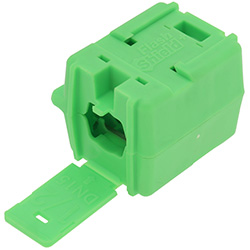
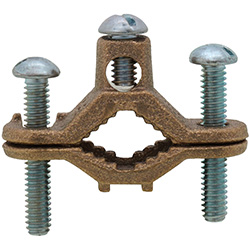
- Gastite Install Accessories: Gastite install accessories include the bonding clamps, striker plates, and support hardware that code requires alongside a CSST installation. Bonding and grounding accessories in particular are a code requirement for CSST systems, intended to reduce the risk of arc-related damage from nearby electrical events. They are specific to the Gastite system and are installed according to the manufacturer's instructions.
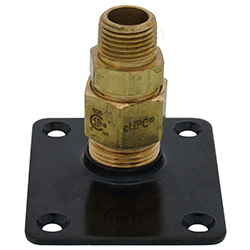
- TracPipe CSST Fittings: TracPipe CSST fittings are designed specifically for use with TracPipe tubing and are not interchangeable with other manufacturers' CSST systems. They cover the couplings, elbows, and transition fittings needed to complete a TracPipe gas piping run. Using TracPipe fittings with another brand's tubing voids the system's design compatibility.
Buying Guide
The first decision on a CSST job is which manufacturer's system to use, since tubing, fittings, and accessories are not interchangeable between brands such as Gastite and TracPipe. Standardizing on one manufacturer for a job, or for a contractor's regular stock, simplifies ordering and avoids a jobsite mismatch between tubing and fittings.
Tubing size should account for the gas load of connected appliances and the length of the run. Longer runs experience more pressure drop for a given tubing size. Undersizing a run can leave an appliance without adequate gas pressure at full demand.
Bonding and grounding accessories are a code requirement for CSST installations in most jurisdictions, intended to reduce the risk of damage from nearby electrical arcing events. Contractors should include the manufacturer's specified bonding accessories in every CSST job rather than treating them as optional.
Appliance connectors at the final connection point should be sized and configured to match the specific appliance and the clearance available behind it. A connector that is too short or has the wrong end fitting will not reach or seal properly. They are typically sold separately from the CSST system run to the appliance location.
Local code may restrict where CSST can be installed exposed versus requiring protection, such as striker plates where tubing passes through framing members. Confirming these requirements before rough-in avoids a failed inspection and rework after walls are closed.
Frequently Asked Questions
Can Gastite fittings be used with TracPipe tubing?
No. CSST fitting systems are brand-specific, and Gastite fittings are designed to work only with Gastite tubing. Mixing brands compromises the system's design compatibility and should be avoided.
Is bonding required for a CSST gas line?
Bonding and grounding accessories are a code requirement for CSST installations in most jurisdictions, intended to reduce the risk of damage from nearby electrical arcing events. Contractors should follow the specific manufacturer's bonding instructions for the system installed.
How is CSST tubing sized for a job?
Tubing size is selected based on the gas load of the connected appliances and the length of the run. Longer runs need larger tubing to maintain adequate gas pressure at the appliance.
What is a striker plate used for with CSST?
A striker plate is a protective metal plate installed where CSST passes through a framing member. It reduces the risk of the tubing being punctured by a nail or screw driven into that framing later. Code in many jurisdictions requires striker plates at these penetrations.
Can an appliance connector be reused when swapping appliances?
An appliance connector can sometimes be reused if it is undamaged and sized correctly for the new appliance's connection point. A contractor should inspect it for damage or corrosion and replace it if there is any doubt about its condition.
Resources
Subcategories
- Appliance Connectors: Appliance connectors are flexible gas connectors used for the final connection between a gas supply line and an individual appliance, such as a range, dryer, or water heater. They allow an appliance to be moved slightly for cleaning or service without disconnecting the gas line. Length and end-fitting configuration should match the appliance's connection point and the available space behind it.
- CSST Fittings: CSST fittings join lengths of corrugated stainless steel tubing to each other and to rigid pipe, valves, and appliance connections. Because fitting systems are brand-specific, fittings from one CSST manufacturer generally cannot be used with another manufacturer's tubing. Matching the fitting brand to the tubing brand on every joint is required for the system to seal and perform as designed.
- Gastite CSST Fittings: Gastite CSST fittings are designed specifically for use with Gastite tubing and are not interchangeable with other manufacturers' CSST systems. They cover the couplings, elbows, and transition fittings needed to complete a Gastite gas piping run. Using Gastite fittings with another brand's tubing voids the system's design compatibility.
- Gastite CSST Tubing: Gastite CSST tubing is the corrugated stainless steel gas line at the center of the Gastite system, sized for various gas flow and run-length requirements. It pairs exclusively with Gastite fittings and accessories to form a complete, code-compliant gas piping system. Tubing size should be selected based on the appliance load and run length.
- Gastite Install Accessories: Gastite install accessories include the bonding clamps, striker plates, and support hardware that code requires alongside a CSST installation. Bonding and grounding accessories in particular are a code requirement for CSST systems, intended to reduce the risk of arc-related damage from nearby electrical events. They are specific to the Gastite system and are installed according to the manufacturer's instructions.
- TracPipe CSST Fittings: TracPipe CSST fittings are designed specifically for use with TracPipe tubing and are not interchangeable with other manufacturers' CSST systems. They cover the couplings, elbows, and transition fittings needed to complete a TracPipe gas piping run. Using TracPipe fittings with another brand's tubing voids the system's design compatibility.
Buying Guide
The first decision on a CSST job is which manufacturer's system to use, since tubing, fittings, and accessories are not interchangeable between brands such as Gastite and TracPipe. Standardizing on one manufacturer for a job, or for a contractor's regular stock, simplifies ordering and avoids a jobsite mismatch between tubing and fittings.
Tubing size should account for the gas load of connected appliances and the length of the run. Longer runs experience more pressure drop for a given tubing size. Undersizing a run can leave an appliance without adequate gas pressure at full demand.
Bonding and grounding accessories are a code requirement for CSST installations in most jurisdictions, intended to reduce the risk of damage from nearby electrical arcing events. Contractors should include the manufacturer's specified bonding accessories in every CSST job rather than treating them as optional.
Appliance connectors at the final connection point should be sized and configured to match the specific appliance and the clearance available behind it. A connector that is too short or has the wrong end fitting will not reach or seal properly. They are typically sold separately from the CSST system run to the appliance location.
Local code may restrict where CSST can be installed exposed versus requiring protection, such as striker plates where tubing passes through framing members. Confirming these requirements before rough-in avoids a failed inspection and rework after walls are closed.
Frequently Asked Questions
Can Gastite fittings be used with TracPipe tubing?
No. CSST fitting systems are brand-specific, and Gastite fittings are designed to work only with Gastite tubing. Mixing brands compromises the system's design compatibility and should be avoided.
Is bonding required for a CSST gas line?
Bonding and grounding accessories are a code requirement for CSST installations in most jurisdictions, intended to reduce the risk of damage from nearby electrical arcing events. Contractors should follow the specific manufacturer's bonding instructions for the system installed.
How is CSST tubing sized for a job?
Tubing size is selected based on the gas load of the connected appliances and the length of the run. Longer runs need larger tubing to maintain adequate gas pressure at the appliance.
What is a striker plate used for with CSST?
A striker plate is a protective metal plate installed where CSST passes through a framing member. It reduces the risk of the tubing being punctured by a nail or screw driven into that framing later. Code in many jurisdictions requires striker plates at these penetrations.
Can an appliance connector be reused when swapping appliances?
An appliance connector can sometimes be reused if it is undamaged and sized correctly for the new appliance's connection point. A contractor should inspect it for damage or corrosion and replace it if there is any doubt about its condition.