




Tape Measures


 --%3E %3Csvg version='1.1' id='No-RB' xmlns='http://www.w3.org/2000/svg' xmlns:xlink='http://www.w3.org/1999/xlink' x='0px' y='0px' viewBox='0 0 100 100' enable-background='new 0 0 100 100' xml:space='preserve'%3E %3Cpath fill='%23CECECE' d='M79.44,0.95H20.56C9.78,0.95,0.95,9.78,0.95,20.56v58.87c0,10.79,8.82,19.61,19.61,19.61h58.87 c10.79,0,19.61-8.83,19.61-19.61V20.56C99.05,9.78,90.22,0.95,79.44,0.95z M65.38,58.24l9.38,29.58L49.69,69.78L24.5,87.82 l9.34-29.6L8.8,39.6l30.73-0.17c0,0,6.98-19.61,10-28.93c0.54,1.36,9.88,29.1,9.88,29.1H91.2L65.38,58.24z'/%3E %3C/svg%3E)
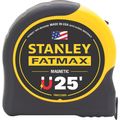
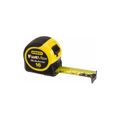
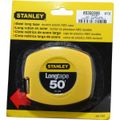
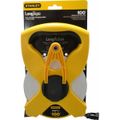
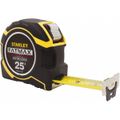

Tape measures are the everyday layout tool contractors reach for on nearly every job, from framing walls to spacing plumbing fixtures. Blade width and standout distance are the two specs that separate a basic tape from one built for trade use; the Stanley FatMax 25-foot tape measure uses a 1-1/4 inch wide blade paired with 14 feet of standout, meaning the blade holds rigid horizontally across an open span without a second hand supporting it. That extra standout matters most for solo work, like measuring a duct run or a rough opening without a helper. Wider blades also resist buckling and twisting when extended, which keeps measurements accurate on longer pulls. A tape that combines a durable case, a wide blade, and strong standout holds up to the daily drops, dust, and repeated extension that come with plumbing and HVAC installation work.
Subcategories
- Standard Blade Tape Measures: Standard blade tape measures typically use a 3/4 inch to 1 inch wide blade, keeping the case compact and lightweight for pocket or pouch carry. Service technicians and installers doing quick spot measurements favor this style since it's easy to carry all day without added bulk. Standout distance on standard blades runs shorter than wide-blade models, so they work best for measurements where a wall or surface supports the blade. The smaller blade width keeps the tool light for repetitive use.
- Wide Blade Tape Measures: Wide blade tape measures, like the Stanley FatMax at 1-1/4 inches wide, extend farther without buckling thanks to the added blade rigidity. Framers, HVAC installers, and plumbers doing longer horizontal or vertical pulls rely on this style, particularly when working alone. The FatMax's 14 feet of standout lets the blade stay rigid across an open span before it starts to bend. Wide blades add some bulk to the case but pay off on jobs with frequent long-reach measurements.
- Reinforced Blade Tape Measures: Reinforced blade tape measures add a protective coating, often applied to the first several inches of blade near the hook, to resist the wear that comes from repeated contact with rough surfaces. The Stanley FatMax line uses a coating on the initial portion of the blade specifically to extend the tool's working life under daily job site abuse. Contractors who measure against concrete, brick, or metal choose reinforced blades to avoid premature wear at the hook end. This reinforcement targets the section of blade that takes the most physical contact during use.
Buying Guide
Blade width and standout distance are the two specs that matter most when picking a tape measure for trade work. A standard 3/4 inch to 1 inch blade suits quick measurements where the blade rests against a wall or surface, but wider blades, such as a 1-1/4 inch design, hold rigid over a longer unsupported reach, which matters when measuring alone across an open stud bay or duct run. Standout distance, the length the blade extends horizontally before it bends under its own weight, directly affects how far a single installer can measure without a second person holding the far end. A tape rated for 14 feet of standout covers most solo layout tasks on residential and light commercial jobs.
Blade length is the next consideration, and it should match the typical scope of the work rather than defaulting to the longest tape available, since longer blades add weight and bulk to the case. A 25-foot tape measure covers most interior layout and plumbing rough-in work, while larger jobs like site work or long duct runs benefit from a 30-foot or longer blade. Durability features, including a reinforced case designed to survive drops and a coated blade section near the hook, extend the tool's service life under daily job site conditions. Locking mechanisms that hold the blade in place at a set length free up both hands for marking, which speeds up repetitive layout tasks. Choosing a tape measure that fits the actual scale of the work, rather than the biggest or cheapest option, keeps layout accurate and the tool durable over time.
Frequently Asked Questions
What does blade standout mean on a tape measure?
Blade standout refers to the length a tape measure's blade can extend horizontally before it bends or collapses under its own weight. A tape with 14 feet of standout, like the Stanley FatMax 25-foot model, holds rigid across a longer unsupported span, which helps when measuring alone without a second person to hold the far end steady.
Why does blade width matter on a tape measure?
Wider blades, such as a 1-1/4 inch design, resist twisting and buckling better than narrower 3/4 inch or 1 inch blades, especially over longer extensions. That added rigidity translates directly into better standout distance and more accurate readings on long horizontal or vertical pulls common in framing, HVAC, and plumbing rough-in work.
What blade length is best for plumbing and HVAC rough-in work?
A 25-foot tape measure covers most interior rough-in tasks, including fixture spacing, duct runs, and pipe layout, without adding unnecessary bulk to a tool belt. Larger scope jobs involving longer runs or site work may call for a 30-foot or longer blade instead.
How does a coated or reinforced blade extend tape measure life?
A reinforced coating applied near the hook end of the blade protects the section that takes the most contact with rough surfaces like concrete, brick, or metal during daily use. The Stanley FatMax line applies this coating specifically to resist the wear that shortens a standard blade's working life.
Does a wider blade make a tape measure harder to carry?
Wide blade tape measures, like a 1-1/4 inch model, do add some bulk and weight to the case compared to a standard 3/4 inch blade tape. That tradeoff pays off for installers who need longer unsupported standout for solo measuring, while technicians doing mostly quick, supported measurements may prefer the lighter standard blade design.
