



Tecumseh Compressor Parts

 --%3E %3Csvg version='1.1' id='Fill' xmlns='http://www.w3.org/2000/svg' xmlns:xlink='http://www.w3.org/1999/xlink' x='0px' y='0px' viewBox='0 0 100 100' enable-background='new 0 0 100 100' xml:space='preserve'%3E %3Cpath fill='%23F15C02' d='M79.44,0.95H20.56C9.78,0.95,0.95,9.78,0.95,20.56v58.87c0,10.79,8.82,19.61,19.61,19.61h58.87 c10.79,0,19.61-8.83,19.61-19.61V20.56C99.05,9.78,90.22,0.95,79.44,0.95z M65.38,58.24l9.38,29.58L49.69,69.78L24.5,87.82 l9.34-29.6L8.8,39.6l30.73-0.17c0,0,6.98-19.61,10-28.93c0.54,1.36,9.88,29.1,9.88,29.1H91.2L65.38,58.24z'/%3E %3C/svg%3E)

 --%3E %3Csvg version='1.1' id='No-RB' xmlns='http://www.w3.org/2000/svg' xmlns:xlink='http://www.w3.org/1999/xlink' x='0px' y='0px' viewBox='0 0 100 100' enable-background='new 0 0 100 100' xml:space='preserve'%3E %3Cpath fill='%23CECECE' d='M79.44,0.95H20.56C9.78,0.95,0.95,9.78,0.95,20.56v58.87c0,10.79,8.82,19.61,19.61,19.61h58.87 c10.79,0,19.61-8.83,19.61-19.61V20.56C99.05,9.78,90.22,0.95,79.44,0.95z M65.38,58.24l9.38,29.58L49.69,69.78L24.5,87.82 l9.34-29.6L8.8,39.6l30.73-0.17c0,0,6.98-19.61,10-28.93c0.54,1.36,9.88,29.1,9.88,29.1H91.2L65.38,58.24z'/%3E %3C/svg%3E)
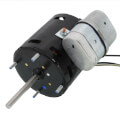
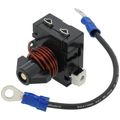
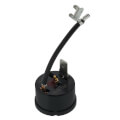
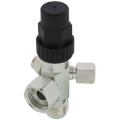

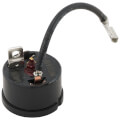
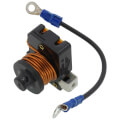
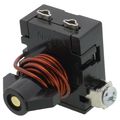
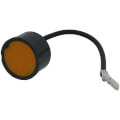
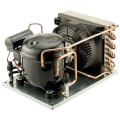
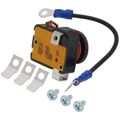
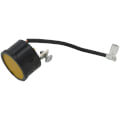
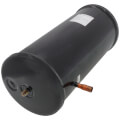
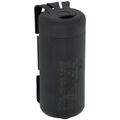
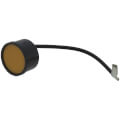
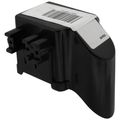
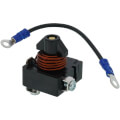
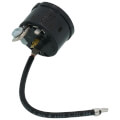
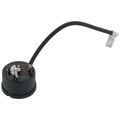

Tecumseh compressor parts supply the individual components needed to repair and maintain Tecumseh-brand hermetic compressors installed in refrigeration units, ice machines, and light commercial cooling equipment. A compressor failure often traces back to a single failed part rather than the compressor itself, so replacing a start relay, overload protector, or capacitor can restore operation without the cost and downtime of a full compressor swap. Electrical components such as start relays and overload protectors wear out from repeated cycling and are among the most commonly replaced parts on these compressors. Mechanical components, including service valves, gaskets, and mounting hardware, address leaks and vibration issues that develop over years of continuous operation. Matching a replacement part to the exact compressor model and serial number prevents compatibility problems, since electrical ratings and physical dimensions vary across the Tecumseh compressor lineup. For technicians diagnosing a non-running unit, checking these smaller parts first is often the fastest path to a working repair.
Subcategories
- Start Relays & Capacitors: Start relays and run/start capacitors provide the extra electrical push a Tecumseh compressor needs to overcome starting torque when the motor first energizes. A relay or capacitor that has weakened often causes a compressor to hum without starting, or to trip its overload protector repeatedly. Replacing these parts is one of the most common repairs performed on aging refrigeration and cooling equipment. Technicians typically test these components with a multimeter before condemning the compressor itself.
- Overload Protectors: Overload protectors interrupt power to the compressor motor when current draw or internal temperature rises beyond a safe limit, protecting the windings from heat damage. A protector that trips repeatedly under normal load conditions is often failing rather than doing its job correctly. These parts mount directly to the compressor shell in most designs, so replacement requires matching the exact mounting style. Technicians should confirm the root cause of repeated tripping, such as a failing capacitor or restricted airflow, rather than assuming the protector itself is at fault.
- Service Valves & Fittings: Service valves and fittings provide the connection points where refrigerant lines attach to the compressor, and they are a common source of slow refrigerant leaks over time. Worn valve cores or damaged fitting threads can allow refrigerant to escape gradually, leading to reduced cooling performance long before a system fails completely. Replacing these parts during a service call addresses leaks at their source rather than simply recharging refrigerant into a system that will lose it again. Proper torque and flare technique when reinstalling fittings helps prevent a repeat leak.
- Crankcase Heaters: Crankcase heaters keep refrigerant from condensing in the compressor's oil during off cycles, which prevents oil dilution and the lubrication problems that follow. Equipment installed in cold environments or exposed to wide temperature swings relies on these heaters more heavily than equipment in stable, conditioned spaces. A failed crankcase heater does not usually stop a compressor from running, but it can shorten compressor life over repeated cold starts. Replacing a failed heater is a straightforward repair that helps protect a more expensive compressor from premature wear.
Buying Guide
Selecting the right part from Tecumseh Compressor Parts starts with identifying the exact compressor model and serial number rather than guessing based on the equipment it is installed in, since electrical ratings and physical dimensions vary across the lineup. Start relays and capacitors are the parts most often replaced first, since a compressor that hums but will not start is frequently an electrical component issue rather than a failed compressor. Testing these parts with a multimeter before ordering a replacement avoids the expense of swapping a part that was not actually the problem. Overload protectors deserve a closer look when they trip repeatedly under normal conditions, since the underlying cause is sometimes a failing capacitor, restricted airflow, or high ambient temperature rather than the protector itself. Refrigerant leaks traced to worn service valves or damaged fittings should be repaired at the source rather than masked with a recharge, since the same leak will otherwise return. Crankcase heaters matter most in cold climates or equipment exposed to temperature swings, where preventing refrigerant migration into the oil protects the compressor from long-term wear even though a failed heater will not stop the unit from running in the short term. Buyers replacing multiple components on an older unit should weigh the combined cost of parts against the age and remaining service life of the compressor itself, since a compressor nearing the end of its expected lifespan may be a better candidate for full replacement than repeated part-by-part repairs.
Frequently Asked Questions
What is the first part to check when a Tecumseh compressor hums but does not start?
The start relay or start capacitor is usually the first component to test, since a weak or failed relay commonly prevents the motor from overcoming its starting torque.
Why does a compressor's overload protector keep tripping?
Repeated tripping often points to a failing capacitor, restricted airflow, or high ambient temperature rather than a defective protector, so the underlying cause should be checked before replacing the part.
How can a technician confirm which replacement part fits a specific compressor?
Matching the part to the compressor's exact model and serial number is the most reliable method, since electrical ratings and mounting dimensions vary across different compressors in the lineup.
Do crankcase heaters need to run constantly?
Crankcase heaters typically cycle during compressor off periods to prevent refrigerant from condensing in the oil, and they matter most in cold climates or equipment subject to wide temperature swings.
Can a refrigerant leak at a service valve be repaired without replacing the whole compressor?
Yes, worn valve cores and damaged fittings can often be replaced individually, which addresses the leak at its source without the cost of replacing the compressor.
