




TracPipe AutoSnap Fittings

 --%3E %3Csvg version='1.1' id='No-RB' xmlns='http://www.w3.org/2000/svg' xmlns:xlink='http://www.w3.org/1999/xlink' x='0px' y='0px' viewBox='0 0 100 100' enable-background='new 0 0 100 100' xml:space='preserve'%3E %3Cpath fill='%23CECECE' d='M79.44,0.95H20.56C9.78,0.95,0.95,9.78,0.95,20.56v58.87c0,10.79,8.82,19.61,19.61,19.61h58.87 c10.79,0,19.61-8.83,19.61-19.61V20.56C99.05,9.78,90.22,0.95,79.44,0.95z M65.38,58.24l9.38,29.58L49.69,69.78L24.5,87.82 l9.34-29.6L8.8,39.6l30.73-0.17c0,0,6.98-19.61,10-28.93c0.54,1.36,9.88,29.1,9.88,29.1H91.2L65.38,58.24z'/%3E %3C/svg%3E)

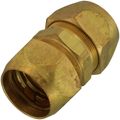
TracPipe AutoSnap fittings are mechanical push-to-connect fittings designed for corrugated stainless steel tubing gas piping systems, letting a technician join tubing to a fitting without the crimping tool and separate flare nut that traditional CSST fittings require. A tubing end is cut, deburred, and pushed into the fitting body until it snaps into place, and a built-in indicator on many designs shows the technician that the connection is fully seated. Gas fitters favor this style on new installs and service calls where speed matters, since the connection goes together in a fraction of the time a crimped joint takes.
Because the fitting eliminates a separate crimping step, contractors also cut down on the tool inventory they need to carry to a job site. That said, technicians still need to follow the manufacturer's tubing prep steps closely, since a cut that is not clean and square, or a tube not pushed in fully, can leave a connection that looks seated but has not actually engaged.
Subcategories
- Straight Couplings: Join two lengths of corrugated stainless steel tubing in a straight run, commonly used to extend a gas line or repair a section of existing tubing without recrimping the whole run.
- Elbow Fittings: Change the direction of a tubing run at a fixed angle, letting installers route gas piping around framing members and other obstructions without adding extra tubing bends.
- Tee Fittings: Split a single gas line into two branches, used where a run needs to feed two appliances or fixtures from one main tubing line.
- Termination and Appliance Connector Fittings: Transition from corrugated tubing to threaded pipe at an appliance connection or termination point, giving installers a standard threaded end to connect a shutoff valve or appliance flex connector.
Buying Guide
Choosing the right TracPipe AutoSnap fitting starts with matching the fitting size to the tubing diameter already specified for the job, since these push-to-connect fittings are sized specifically to corrugated stainless steel tubing dimensions rather than standard pipe sizing.
Contractors should plan the fitting types needed for a run before starting work, since a straight coupling, elbow, or tee each solve a different routing problem, and having the right mix on the truck avoids a mid-job supply run.
Because the AutoSnap system relies on a clean, square tubing cut to seal properly, contractors should confirm they have the manufacturer-approved cutting and deburring tools on hand before starting, rather than relying on tools meant for other pipe materials.
Local code adoption of push-to-connect CSST fittings varies by jurisdiction, so contractors should confirm the local gas code accepts this fitting style before specifying it on a job, particularly on commercial work subject to stricter inspection.
Finally, contractors should factor in the time savings from skipping a separate crimping step when estimating labor on a job with many fitting connections, since that speed is one of the main reasons installers choose this fitting style over traditional crimped CSST fittings.
Frequently Asked Questions
Do TracPipe AutoSnap fittings require a crimping tool?
No, these are push-to-connect fittings, so the tubing is cut, deburred, and pushed into the fitting body without a separate crimping step.
How does a technician know the connection is fully seated?
Many AutoSnap fitting designs include a visual indicator that confirms the tubing has been pushed in far enough to fully engage the fitting.
Can AutoSnap fittings be used with any corrugated stainless steel tubing?
These fittings are sized and designed for specific tubing diameters, so a contractor should confirm the fitting matches the exact tubing being used on the job.
Is local code approval needed before using push-to-connect CSST fittings?
Code adoption varies by jurisdiction, so contractors should confirm with the local authority having jurisdiction before specifying this fitting style, especially on commercial projects.
What tools are needed to prep tubing for an AutoSnap fitting?
A clean, square cut and proper deburring are essential, so contractors should use the manufacturer-approved cutting tools rather than tools designed for other pipe materials.
