




TracPipe PS-II Fittings

 --%3E %3Csvg version='1.1' id='No-RB' xmlns='http://www.w3.org/2000/svg' xmlns:xlink='http://www.w3.org/1999/xlink' x='0px' y='0px' viewBox='0 0 100 100' enable-background='new 0 0 100 100' xml:space='preserve'%3E %3Cpath fill='%23CECECE' d='M79.44,0.95H20.56C9.78,0.95,0.95,9.78,0.95,20.56v58.87c0,10.79,8.82,19.61,19.61,19.61h58.87 c10.79,0,19.61-8.83,19.61-19.61V20.56C99.05,9.78,90.22,0.95,79.44,0.95z M65.38,58.24l9.38,29.58L49.69,69.78L24.5,87.82 l9.34-29.6L8.8,39.6l30.73-0.17c0,0,6.98-19.61,10-28.93c0.54,1.36,9.88,29.1,9.88,29.1H91.2L65.38,58.24z'/%3E %3C/svg%3E)
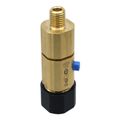
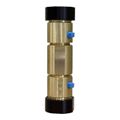
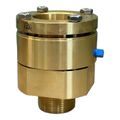
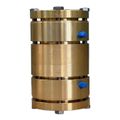
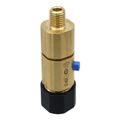
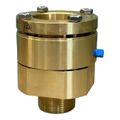
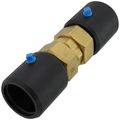
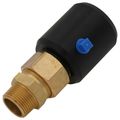


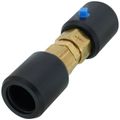
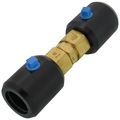
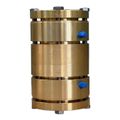

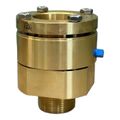
TracPipe PS-II fittings connect corrugated stainless steel tubing used to run gas piping through walls, floors, and ceilings on residential and commercial jobs. Corrugated stainless steel tubing has largely replaced rigid black iron pipe in many new installations because it bends around obstacles without the multiple threaded joints a rigid pipe run would require, cutting down on potential leak points. The PS-II fitting line covers the mechanical connections needed to terminate tubing runs, branch off to additional appliances, and transition to threaded rigid pipe at the appliance connection. Installers work with these fittings on new gas piping installs as well as additions like a new gas line to a generator, outdoor grill, or supplemental heating appliance. Following the manufacturer's tightening and assembly instructions for each fitting type is critical, since a gas fitting that is not made up correctly is both a code violation and a safety hazard.
Subcategories
- Termination Fittings: Termination fittings connect the end of a corrugated stainless steel tubing run to a threaded rigid pipe connection at an appliance or shutoff valve. They are typically the last fitting installed before connecting to a gas appliance. Correct assembly requires the tubing to be fully seated and the fitting tightened to the torque specified by the manufacturer.
- Mechanical Tee Fittings: Mechanical tee fittings allow a single tubing run to branch into two directions, letting installers serve multiple appliances from one main gas line without cutting into rigid pipe. Contractors use these when adding a new appliance to an existing gas system without running an entirely separate line back to the meter. Proper support of the tubing near the tee fitting keeps the connection from being stressed by the tubing's weight.
- Bushings and Adapters: Bushings and adapters step a fitting down or up in size, or transition between different thread types, so a tubing run can connect to appliances or piping with a different connection size. These components let installers work with the pipe sizes already present at an appliance rather than needing to change out an entire fitting body. Matching thread type correctly avoids a leak-prone connection.
Buying Guide
Match fitting sizes to the corrugated stainless steel tubing diameter being installed, since PS-II fittings are sized specifically to their corresponding tubing size and are not interchangeable across sizes without an adapter. Confirming tubing size before ordering fittings avoids a mismatched connection on the job.
Plan the fitting types needed for the full run before starting the install, including termination fittings at each end and any tee fittings needed for branch connections to additional appliances. Running short on a specific fitting type mid-installation means a trip back to the supply house.
Check local code requirements for corrugated stainless steel tubing installations, since some jurisdictions have specific bonding and grounding requirements for this piping material that differ from rigid black iron pipe. Following the bonding requirements protects the system from damage during an electrical event like a lightning strike.
Review the manufacturer's support spacing requirements for tubing runs, since corrugated stainless steel tubing needs more frequent support than rigid pipe to prevent sagging and stress on fittings. Skipping proper support can lead to a fitting connection loosening over time.
Keep a stock of common bushings and adapters on hand for service calls, since older gas piping systems often use thread sizes that do not match current tubing fitting standards directly. Having adapters available avoids delaying a repair while sourcing an odd-sized fitting.
Frequently Asked Questions
Are TracPipe PS-II fittings interchangeable across different tubing sizes?
No, fittings are sized specifically to match their corresponding tubing diameter. An adapter is needed to transition between different tubing or thread sizes.
What is a mechanical tee fitting used for?
A mechanical tee fitting allows a single corrugated stainless steel tubing run to branch into two directions, letting one main gas line serve multiple appliances without cutting into rigid pipe.
Why does corrugated stainless steel tubing need more frequent support than rigid pipe?
Corrugated stainless steel tubing is more flexible than rigid black iron pipe, so it needs more frequent support to prevent sagging that could stress the fittings connecting it. Following the manufacturer's support spacing requirements helps avoid this issue.
Does corrugated stainless steel tubing have special bonding requirements?
Some jurisdictions require specific bonding and grounding for corrugated stainless steel tubing installations that differ from rigid pipe requirements. Checking local code before installation confirms what is required in a given area.
What should be checked before connecting a PS-II fitting?
Confirm the tubing is fully seated in the fitting and that the fitting is tightened to the torque specified by the manufacturer. An improperly assembled gas fitting is both a code violation and a safety hazard.
