




Filters
SORT
Product Availability –
Brand –
Product Type –
Review Score –
 --%3E %3Csvg version='1.1' id='Fill' xmlns='http://www.w3.org/2000/svg' xmlns:xlink='http://www.w3.org/1999/xlink' x='0px' y='0px' viewBox='0 0 100 100' enable-background='new 0 0 100 100' xml:space='preserve'%3E %3Cpath fill='%23F15C02' d='M79.44,0.95H20.56C9.78,0.95,0.95,9.78,0.95,20.56v58.87c0,10.79,8.82,19.61,19.61,19.61h58.87 c10.79,0,19.61-8.83,19.61-19.61V20.56C99.05,9.78,90.22,0.95,79.44,0.95z M65.38,58.24l9.38,29.58L49.69,69.78L24.5,87.82 l9.34-29.6L8.8,39.6l30.73-0.17c0,0,6.98-19.61,10-28.93c0.54,1.36,9.88,29.1,9.88,29.1H91.2L65.38,58.24z'/%3E %3C/svg%3E)
Price Range –
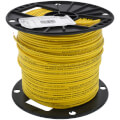
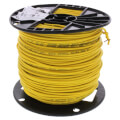
Tracer Wire


 --%3E %3Csvg version='1.1' id='Half' xmlns='http://www.w3.org/2000/svg' xmlns:xlink='http://www.w3.org/1999/xlink' x='0px' y='0px' viewBox='0 0 100 100' enable-background='new 0 0 100 100' xml:space='preserve'%3E %3Cg%3E %3Cpath fill='%23F15C02' d='M30.05,70.23l3.79-12.01L8.8,39.6l30.73-0.17c0,0,6.98-19.61,10-28.93c0.54,1.36,9.88,29.1,9.88,29.1h1.58 L93.71,7.18c-3.58-3.82-8.66-6.23-14.28-6.23H20.56C9.78,0.95,0.95,9.78,0.95,20.56v58.87c0,5.41,2.22,10.32,5.79,13.88 L30.05,70.23z'/%3E %3C/g%3E %3Cpath fill='%23FBC8B4' d='M93.71,7.18L60.98,39.6H91.2L65.38,58.24l9.38,29.58L49.69,69.78L24.5,87.82l5.55-17.59L6.75,93.32 c3.55,3.54,8.44,5.73,13.82,5.73h58.87c10.79,0,19.61-8.83,19.61-19.61V20.56C99.05,15.4,97.01,10.69,93.71,7.18z'/%3E %3C/svg%3E)

Tracer wire is the insulated copper wire installed alongside underground non-metallic pipe, such as PVC water main, gas line, or conduit, so the buried utility can be located later with a wire locator. Because plastic pipe can't be detected by traditional metal-detecting locator equipment, running tracer wire in the same trench gives utility crews and contractors a reliable way to find the line's exact path years after installation. Most water and gas utilities require tracer wire on new non-metallic underground installations as part of their inspection requirements, and the wire is typically connected to an accessible tracer wire access point or valve box at the surface for future locating. Choosing the right wire gauge and insulation type for the application, along with proper connections at splices, keeps the tracer wire conductive over its full underground service life.
Subcategories
- Solid Copper Tracer Wire: Solid copper tracer wire is the traditional choice for underground locating applications and offers strong electrical conductivity, though it's less flexible than stranded wire when routing around bends in a trench.
- Copper-Clad Steel Tracer Wire: Copper-clad steel tracer wire pairs a steel core with a copper conductive coating for higher tensile strength, which some contractors prefer in rocky soil or long pulls where a wire needs to resist breaking during installation.
- Tracer Wire Connectors and Accessories: Waterproof connectors, splice kits, and test stations complete a tracer wire installation, sealing splices against moisture intrusion and providing an accessible point for locating equipment to connect at the surface.
Buying Guide
Local utility and code requirements should be the starting point for any tracer wire purchase, since many water and gas authorities specify a minimum wire gauge, insulation type, and even wire color for new underground installations. Checking those requirements before ordering avoids installing wire that fails inspection.
Wire gauge affects both conductivity and durability underground. A heavier gauge generally carries a locating signal further and resists breaking during a difficult pull, which matters most on longer runs or in rocky soil conditions.
Insulation type matters for long-term performance, since Tracer Wire spends years underground exposed to moisture and soil chemistry. A high-molecular-weight polyethylene or similarly rated insulation resists degradation better than a general-purpose jacket not designed for direct burial.
Every splice in a tracer wire run is a potential failure point, so using connectors rated for direct burial and sealing each splice properly is as important as the wire specification itself. A single bad splice can break the locating signal's continuity across an otherwise sound run of wire.
Bringing the wire to an accessible point at the surface, such as a valve box or dedicated test station, is what actually makes the buried wire useful later. Burying tracer wire without a surface connection point defeats its purpose when a crew needs to locate the line.
Frequently Asked Questions
Why does non-metallic pipe need tracer wire?
Standard metal-detecting locator equipment can't find plastic pipe on its own, so tracer wire buried alongside the pipe gives crews a conductive path they can trace with a locator later.
What gauge of tracer wire is typically required?
Required gauge varies by local utility and application, so checking the governing water, gas, or sewer authority's specification before ordering is the reliable way to meet inspection requirements.
Can tracer wire be spliced if a run isn't long enough?
Yes, tracer wire can be spliced using connectors rated for direct burial, though every splice should be sealed against moisture to avoid breaking the wire's electrical continuity over time.
Does tracer wire need to be a specific color?
Some utilities specify a wire color tied to the type of utility being marked, such as a particular color for gas versus water lines, so checking local requirements before purchase avoids a color mismatch.
Where should tracer wire terminate at the surface?
Tracer wire should terminate at an accessible point, such as a valve box or dedicated test station, so a locator can connect to it without excavating the buried line.
