




Filters
SORT
Product Availability –
Review Score –
 --%3E %3Csvg version='1.1' id='Fill' xmlns='http://www.w3.org/2000/svg' xmlns:xlink='http://www.w3.org/1999/xlink' x='0px' y='0px' viewBox='0 0 100 100' enable-background='new 0 0 100 100' xml:space='preserve'%3E %3Cpath fill='%23F15C02' d='M79.44,0.95H20.56C9.78,0.95,0.95,9.78,0.95,20.56v58.87c0,10.79,8.82,19.61,19.61,19.61h58.87 c10.79,0,19.61-8.83,19.61-19.61V20.56C99.05,9.78,90.22,0.95,79.44,0.95z M65.38,58.24l9.38,29.58L49.69,69.78L24.5,87.82 l9.34-29.6L8.8,39.6l30.73-0.17c0,0,6.98-19.61,10-28.93c0.54,1.36,9.88,29.1,9.88,29.1H91.2L65.38,58.24z'/%3E %3C/svg%3E)
 --%3E %3Csvg version='1.1' id='With-RB' xmlns='http://www.w3.org/2000/svg' xmlns:xlink='http://www.w3.org/1999/xlink' x='0px' y='0px' viewBox='0 0 100 100' enable-background='new 0 0 100 100' xml:space='preserve'%3E %3Cpath fill='%23FBC8B4' d='M79.44,0.95H20.56C9.78,0.95,0.95,9.78,0.95,20.56v58.87c0,10.79,8.82,19.61,19.61,19.61h58.87 c10.79,0,19.61-8.83,19.61-19.61V20.56C99.05,9.78,90.22,0.95,79.44,0.95z M65.38,58.24l9.38,29.58L49.69,69.78L24.5,87.82 l9.34-29.6L8.8,39.6l30.73-0.17c0,0,6.98-19.61,10-28.93c0.54,1.36,9.88,29.1,9.88,29.1H91.2L65.38,58.24z'/%3E %3C/svg%3E)
Price Range –
Trane Ignition Modules & Controls


 --%3E %3Csvg version='1.1' id='No-RB' xmlns='http://www.w3.org/2000/svg' xmlns:xlink='http://www.w3.org/1999/xlink' x='0px' y='0px' viewBox='0 0 100 100' enable-background='new 0 0 100 100' xml:space='preserve'%3E %3Cpath fill='%23CECECE' d='M79.44,0.95H20.56C9.78,0.95,0.95,9.78,0.95,20.56v58.87c0,10.79,8.82,19.61,19.61,19.61h58.87 c10.79,0,19.61-8.83,19.61-19.61V20.56C99.05,9.78,90.22,0.95,79.44,0.95z M65.38,58.24l9.38,29.58L49.69,69.78L24.5,87.82 l9.34-29.6L8.8,39.6l30.73-0.17c0,0,6.98-19.61,10-28.93c0.54,1.36,9.88,29.1,9.88,29.1H91.2L65.38,58.24z'/%3E %3C/svg%3E)
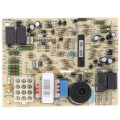
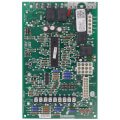
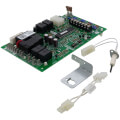


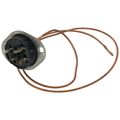
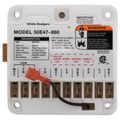
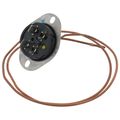
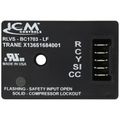
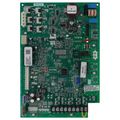

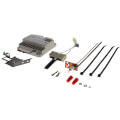
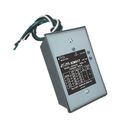

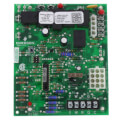
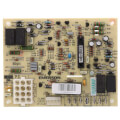
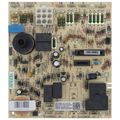
Trane ignition modules and controls are the electronic components that manage burner ignition and safety monitoring on Trane gas furnaces and packaged units. Technicians replace them when a furnace fails to light, locks out on a safety fault, or cycles the igniter without ever proving flame. The category covers single-stage and two-stage ignition control boards along with related modules like 24V 3TFI ignition modules and economizer motor and module kits used on packaged rooftop equipment. Matching the exact control board or module to the furnace's stage configuration, single-stage versus two-stage, is the most important spec to confirm before ordering, since a mismatched board won't communicate correctly with the rest of the control system. Because these boards sit at the center of the ignition sequence, a failed one is one of the more common reasons a Trane furnace stops producing heat.
Subcategories
- Ignition Control Boards: Ignition control boards manage the full light sequence on a Trane furnace, from initiating the igniter through proving flame and shutting down safely if ignition fails. They're available in single-stage and two-stage versions matching the furnace's burner configuration, and the two aren't interchangeable since a two-stage board expects signals a single-stage furnace doesn't send. Technicians typically replace the board directly rather than repairing it, since these are sealed electronic assemblies. Confirming the exact model number against the furnace's original board avoids a control mismatch after installation.
- Ignition Modules: Ignition modules, including 24V 3TFI modules, handle the spark or hot surface ignition sequence on furnaces that use a separate module rather than an integrated control board. Modules in this category commonly serve older Trane furnace platforms still in the field. A module rated for the wrong voltage or ignition type will fail to fire the igniter even if every other component is functioning normally. Replacing a failed module is usually faster than replacing a full control board on the platforms that use this design.
- Economizer Motors and Modules: Economizer motor and module kits control the outdoor air damper on packaged rooftop units, adjusting how much outside air gets pulled in for free cooling before mechanical cooling kicks on. Commercial service technicians replace them when a rooftop unit's damper sticks or fails to modulate correctly. Kits in this category typically bundle the motor and its control module together, since matching an aftermarket motor to an existing module rarely works reliably. Confirming voltage and rotation direction, such as 24V CCW, against the original part avoids a damper that runs backward or doesn't respond to the control signal.
Buying Guide
Start by confirming whether the furnace or rooftop unit is single-stage or two-stage, since Trane ignition modules and controls are built around that distinction and a board meant for one configuration won't run correctly on the other. The model and stage information is typically printed on the existing board or in the unit's installation manual, and matching it exactly is more reliable than guessing from the furnace's general age or size.
Next, identify whether the unit uses an integrated control board or a separate ignition module, since these are two different repair paths. Furnaces with an all-in-one board need that exact board replaced, while platforms with a standalone module can often be repaired faster and at lower cost by swapping just the module rather than the entire control assembly.
For packaged rooftop equipment, economizer motor and module kits are a separate repair path from the ignition system, addressing outdoor air damper control rather than burner ignition. Voltage and rotation direction matter here, since a mismatched motor can install physically but run the damper the wrong way. Whichever component needs replacing, keeping the failed part on hand while ordering makes it easy to cross-check model numbers, connector types, and mounting patterns before the new part arrives on site.
Frequently Asked Questions
How do I know if I need a single-stage or two-stage ignition control board?
The furnace's original board is the best reference, since the model number printed on it usually indicates its stage configuration. Two-stage boards send and expect signals that a single-stage furnace's system doesn't use, so the two aren't interchangeable.
What's the difference between an ignition control board and an ignition module?
A control board manages the full ignition sequence in one integrated assembly, while an ignition module is a standalone component used on furnace platforms that separate ignition control from the rest of the board. Which one a furnace uses depends on its specific platform design.
Why would a furnace's igniter spark but never prove flame?
A spark with no proven flame usually points to a flame sensing issue or a control board or module that isn't reading the flame signal correctly. Confirming the exact replacement part number for the furnace's stage configuration is the first step before replacing any ignition component.
What should I check before ordering an economizer motor and module kit?
Voltage and rotation direction, such as 24V CCW, need to match the original part, since a mismatched motor can install but run the damper in the wrong direction. Motor and module kits are usually sold as a matched pair rather than separate parts.
Are Trane ignition modules and controls specific to certain furnace models?
Yes, these components are built for specific Trane furnace and packaged unit platforms rather than being universal. Matching the exact model number from the original part is the most reliable way to confirm compatibility.
