




Filters
SORT
Product Availability –
Review Score –
 --%3E %3Csvg version='1.1' id='Fill' xmlns='http://www.w3.org/2000/svg' xmlns:xlink='http://www.w3.org/1999/xlink' x='0px' y='0px' viewBox='0 0 100 100' enable-background='new 0 0 100 100' xml:space='preserve'%3E %3Cpath fill='%23F15C02' d='M79.44,0.95H20.56C9.78,0.95,0.95,9.78,0.95,20.56v58.87c0,10.79,8.82,19.61,19.61,19.61h58.87 c10.79,0,19.61-8.83,19.61-19.61V20.56C99.05,9.78,90.22,0.95,79.44,0.95z M65.38,58.24l9.38,29.58L49.69,69.78L24.5,87.82 l9.34-29.6L8.8,39.6l30.73-0.17c0,0,6.98-19.61,10-28.93c0.54,1.36,9.88,29.1,9.88,29.1H91.2L65.38,58.24z'/%3E %3C/svg%3E)
Price Range –
Trane Pilots & Ignitors


 --%3E %3Csvg version='1.1' id='No-RB' xmlns='http://www.w3.org/2000/svg' xmlns:xlink='http://www.w3.org/1999/xlink' x='0px' y='0px' viewBox='0 0 100 100' enable-background='new 0 0 100 100' xml:space='preserve'%3E %3Cpath fill='%23CECECE' d='M79.44,0.95H20.56C9.78,0.95,0.95,9.78,0.95,20.56v58.87c0,10.79,8.82,19.61,19.61,19.61h58.87 c10.79,0,19.61-8.83,19.61-19.61V20.56C99.05,9.78,90.22,0.95,79.44,0.95z M65.38,58.24l9.38,29.58L49.69,69.78L24.5,87.82 l9.34-29.6L8.8,39.6l30.73-0.17c0,0,6.98-19.61,10-28.93c0.54,1.36,9.88,29.1,9.88,29.1H91.2L65.38,58.24z'/%3E %3C/svg%3E)
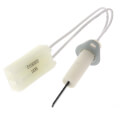
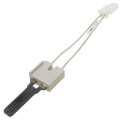
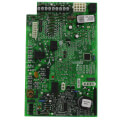
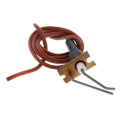
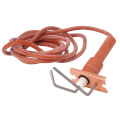
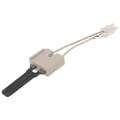
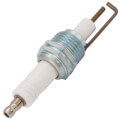
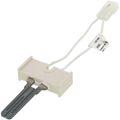

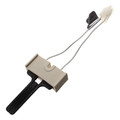

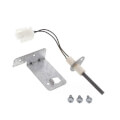
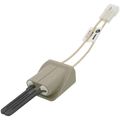
Trane Pilots & Ignitors are replacement ignition components used to restart the burner sequence on Trane gas furnaces when the original ignitor fails or wears out. Trane furnaces use a hot surface ignitor made from silicon nitride, a material built for longer service life than older designs, and the ignitor heats to ignition temperature inside a sealed combustion chamber before the burners fire. A failing ignitor often shows up as cold air blowing from the vents, short cycling, or a hard lockout that keeps the furnace from starting at all. Technicians troubleshooting these symptoms typically confirm the ignitor is the root cause before ordering a replacement, since burner or control board issues can produce similar symptoms. Trane Pilots & Ignitors give service techs and installers a direct path to restoring reliable ignition without replacing the whole burner assembly, which keeps repair costs and downtime lower for the homeowner or building owner waiting on heat.
Subcategories
- Hot Surface Ignitors: Hot surface ignitors handle ignition on Trane furnaces built after 2010, replacing the constant-burning pilot flame used in older units. Trane's hot surface ignitors are made from silicon nitride, a material chosen for longer service life, and the ignitor heats inside a sealed combustion chamber until it reaches the temperature needed to light the burners. Installers and service techs stock these for furnaces that trip into lockout or blow cold air, both common signs of a failing ignitor. Because the ignitor engages every heating cycle, it wears faster than components that only run during startup.
- Standing Pilot Assemblies: Standing pilot assemblies serve furnaces built before 2010 that rely on a constant flame rather than an electronic ignitor to light the burners. The pilot flame stays lit continuously so the furnace can ignite instantly on a call for heat, but that same design means the flame can go out and needs relighting. Technicians servicing older Trane equipment keep pilot assemblies on hand since these furnaces cannot switch to electronic ignition without a full control system replacement. A working pilot assembly is the starting point for diagnosing any no-heat call on a pre-2010 unit.
- Flame Sensors: Flame sensors are safety devices that confirm a flame is present after the burners light, and they signal the control board to shut off the gas supply if no flame is detected. Placing a working flame sensor in a furnace prevents gas from building up in the combustion chamber when ignition fails, which makes it one of the more safety-critical parts in the ignition system. Technicians replace flame sensors when a furnace ignites briefly, then shuts down, since a dirty or worn sensor often cannot read the flame reliably. The flame sensor works alongside the ignitor or pilot rather than replacing either one.
- Ignition Control Boards: Ignition control boards manage the entire startup sequence, reading signals from the flame sensor and controlling when the ignitor fires and when the gas valve opens. A furnace with a failing control board may not start at all or may cycle through ignition attempts without ever confirming a flame. Technicians troubleshooting a no-heat call check the control board after ruling out the ignitor, flame sensor, and gas supply, since board failures can mimic several other problems. Replacing a control board on a Trane furnace typically restores full communication between the ignition components.
Buying Guide
Start by confirming which ignition system the furnace uses, since Trane switched from standing pilot assemblies to electronic hot surface ignitors around 2010. Furnaces built before that cutoff rely on a constant pilot flame, while newer units use a silicon nitride ignitor that heats up on each call for heat. Installing the wrong ignition type is not an option, since older furnaces are not wired for electronic ignition and newer control boards are not built to run a standing pilot.
Trane Pilots & Ignitors should be matched to the failure symptom, since guessing at a part often means a second trip. A furnace that never attempts ignition points toward a failed ignitor or, on older units, an unlit pilot. A furnace that lights briefly and then shuts down usually points to a flame sensor that cannot detect the flame reliably, often because of a buildup of residue on the sensor rod. When ignition attempts happen but nothing lights, or lighting is inconsistent, the control board deserves a look before replacing the ignitor or sensor outright.
Buying pilots and ignitors that match the furnace's exact model and production year prevents compatibility issues, since ignition components are not universal across every Trane furnace generation. Technicians who keep a small stock of common ignitors, flame sensors, and pilot assemblies on the truck can resolve most no-heat calls without waiting on a special order, which keeps customers warm and jobs moving.
Frequently Asked Questions
How do I know if a Trane furnace has a pilot light or an electronic ignitor?
Trane furnaces built before 2010 generally use a standing pilot light that burns continuously, while furnaces built from 2010 forward use an electronic hot surface ignitor. Checking the furnace's manufacture date on its rating plate is the fastest way to confirm which ignition system is installed before ordering a replacement part.
What causes a Trane furnace to lock out during ignition?
A hard lockout usually points to a failed hot surface ignitor, a flame sensor that cannot detect the flame, or a control board that never receives confirmation that ignition succeeded. Technicians typically check the ignitor and flame sensor first since those parts fail more often than the control board.
Why does a furnace fire up and then shut off right away?
A furnace that lights briefly and then shuts down usually has a flame sensor that cannot reliably detect the flame, often due to a buildup of residue on the sensor rod. The control board interprets the missing signal as no flame present and cuts gas to the burners as a safety measure.
What does a flame sensor actually do?
A flame sensor is a safety device that confirms a flame is present after the burners ignite, signaling the control board to shut off the gas supply if no flame is detected. The safeguard stops unburned gas from building up in the combustion chamber if ignition fails partway through a cycle.
How often do Trane furnace ignitors need to be replaced?
Hot surface ignitors wear out faster than most other ignition components because they heat up and cool down every time the furnace cycles on. Replacement frequency depends on furnace usage and ignitor type, so technicians typically replace the ignitor reactively when it fails a continuity test rather than on a fixed schedule.
