




Filters
SORT
Product Availability –
Size –
Review Score –
 --%3E %3Csvg version='1.1' id='Fill' xmlns='http://www.w3.org/2000/svg' xmlns:xlink='http://www.w3.org/1999/xlink' x='0px' y='0px' viewBox='0 0 100 100' enable-background='new 0 0 100 100' xml:space='preserve'%3E %3Cpath fill='%23F15C02' d='M79.44,0.95H20.56C9.78,0.95,0.95,9.78,0.95,20.56v58.87c0,10.79,8.82,19.61,19.61,19.61h58.87 c10.79,0,19.61-8.83,19.61-19.61V20.56C99.05,9.78,90.22,0.95,79.44,0.95z M65.38,58.24l9.38,29.58L49.69,69.78L24.5,87.82 l9.34-29.6L8.8,39.6l30.73-0.17c0,0,6.98-19.61,10-28.93c0.54,1.36,9.88,29.1,9.88,29.1H91.2L65.38,58.24z'/%3E %3C/svg%3E)
Price Range –
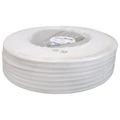
Uponor hePEX Oxygen Barrier PEX Tubing







 --%3E %3Csvg version='1.1' id='No-RB' xmlns='http://www.w3.org/2000/svg' xmlns:xlink='http://www.w3.org/1999/xlink' x='0px' y='0px' viewBox='0 0 100 100' enable-background='new 0 0 100 100' xml:space='preserve'%3E %3Cpath fill='%23CECECE' d='M79.44,0.95H20.56C9.78,0.95,0.95,9.78,0.95,20.56v58.87c0,10.79,8.82,19.61,19.61,19.61h58.87 c10.79,0,19.61-8.83,19.61-19.61V20.56C99.05,9.78,90.22,0.95,79.44,0.95z M65.38,58.24l9.38,29.58L49.69,69.78L24.5,87.82 l9.34-29.6L8.8,39.6l30.73-0.17c0,0,6.98-19.61,10-28.93c0.54,1.36,9.88,29.1,9.88,29.1H91.2L65.38,58.24z'/%3E %3C/svg%3E)


Uponor hePEX Oxygen Barrier PEX Tubing is cross-linked polyethylene tubing manufactured with an integrated oxygen diffusion barrier, built specifically for closed hydronic heating systems like radiant floor heating and baseboard loops where dissolved oxygen in the water would otherwise corrode steel boiler components, cast iron circulators, and other ferrous parts over time. The barrier layer sits between the PEX tube wall and its outer coating, blocking oxygen molecules from migrating through the tube wall the way they would with standard non-barrier PEX. The barrier layer is what separates hePEX from Uponor's non-barrier AquaPEX line, intended for potable water distribution rather than closed-loop heating systems where oxygen exposure isn't a corrosion concern in the same way. Hydronic installers rely on the oxygen barrier to protect system components without needing a separate air separator or oxygen scavenger doing all the work on its own. Choosing barrier tubing for any closed system with ferrous components extends the service life of the boiler and circulator well beyond what non-barrier tubing would allow.
Subcategories
- hePEX for Radiant Floor Heating: hePEX tubing installed in radiant floor systems runs in continuous loops embedded in a concrete slab, stapled to subfloor plates, or clipped to insulation panels beneath a finished floor. The oxygen barrier protects the boiler and circulator from the corrosion that dissolved oxygen would otherwise cause over years of operation in a closed loop. Continuous, joint-free runs are typical in slab applications since embedding a fitting inside concrete makes future access difficult.
- hePEX for Baseboard and Panel Radiator Loops: hePEX also supplies baseboard convectors and panel radiators in hydronic heating systems, where the tubing runs between the boiler and each heat emitter rather than being embedded in a floor assembly. Baseboard and panel radiator installations use standard mechanical or compression fittings at each radiator connection instead of the continuous joint-free runs common in slab work. The oxygen barrier matters just as much here since the same ferrous boiler and circulator components are exposed to the system water.
- hePEX Snow Melt Tubing: Uponor hePEX tubing used in snow melt systems runs beneath driveways, walkways, and other exterior surfaces to carry heated fluid that keeps the surface above freezing. Snow melt installations see wider temperature swings than indoor radiant heating, so the tubing's rated temperature and pressure range needs to match the system's operating conditions. The oxygen barrier still protects the boiler and circulator even though the tubing itself sits outdoors.
Buying Guide
Selecting Uponor hePEX Oxygen Barrier PEX Tubing over non-barrier PEX comes down to whether the system is a closed loop with ferrous components, boiler heat exchangers, cast iron circulators, or steel expansion tanks, that dissolved oxygen would otherwise corrode over time. Potable water lines don't need barrier tubing since they aren't closed systems in the same way, so non-barrier PEX is the appropriate choice there instead. Coil length and diameter should match the loop layout calculated for the specific radiant, baseboard, or snow melt application, since running short on tubing mid-installation means splicing a joint that wouldn't otherwise be needed in a continuous run. For slab and other embedded applications, planning the full loop length before pouring or covering the tubing avoids any joint ending up buried where it can't be serviced later. Fitting compatibility matters too: hePEX uses the same mechanical connection methods as standard PEX, so existing crimp, clamp, or expansion tools generally carry over without needing separate equipment. Storing tubing coils away from direct sunlight before installation protects the material from UV degradation that can affect flexibility during the bend. Confirming the tubing's pressure and temperature rating against the system's operating parameters, particularly for higher-temperature boiler loops or snow melt systems, rounds out the selection process before ordering.
Frequently Asked Questions
What does the oxygen barrier in hePEX tubing actually do?
The barrier layer blocks dissolved oxygen from migrating through the tube wall into the system water, which prevents the corrosion that oxygen exposure would otherwise cause in steel boiler components, cast iron circulators, and other ferrous parts. Without a barrier, oxygen entering a closed loop over time can noticeably shorten the service life of these components. Standard non-barrier PEX doesn't offer this protection and isn't recommended for closed hydronic systems with ferrous parts.
When is non-barrier PEX tubing acceptable instead of hePEX?
Non-barrier PEX, like Uponor's AquaPEX line, is intended for potable water distribution rather than closed-loop heating, since a potable system isn't exposed to the same long-term oxygen corrosion risk with ferrous components. Closed hydronic systems with a boiler, circulator, or other steel or cast iron parts should use barrier tubing instead. Mixing the two applications, using non-barrier tubing on a hydronic loop, risks corrosion damage over the system's service life.
Can hePEX tubing be used with standard PEX fittings and tools?
Yes, hePEX uses the same mechanical connection methods as standard PEX tubing, so crimp, clamp, or expansion tools already on hand generally carry over without needing separate equipment. Fitting size still needs to match the tubing diameter being used. Checking a specific fitting manufacturer's compatibility listing before mixing brands is still worth doing.
Is hePEX tubing suitable for snow melt systems?
Yes, hePEX is used in snow melt installations run beneath driveways and walkways, where the oxygen barrier still protects the boiler and circulator even though the tubing itself is buried outdoors. Snow melt systems see wider temperature swings than indoor radiant heating, so confirming the tubing's rated temperature and pressure range against the system's operating conditions matters before installation. Loop spacing and total length are calculated the same way as an indoor radiant system, adjusted for the outdoor surface area being heated.
How should hePEX tubing be stored before installation?
Coils should be kept away from direct sunlight and extreme temperature swings prior to installation, since UV exposure can affect the tubing's flexibility during bending. Keeping coils in their original packaging until the job is ready for them helps prevent kinking or damage during handling. Tubing that's been kinked should be replaced at that section rather than installed, since a kink can restrict flow permanently even after the tube is straightened.
