




Utica MGB Gas Boilers

 --%3E %3Csvg version='1.1' id='No-RB' xmlns='http://www.w3.org/2000/svg' xmlns:xlink='http://www.w3.org/1999/xlink' x='0px' y='0px' viewBox='0 0 100 100' enable-background='new 0 0 100 100' xml:space='preserve'%3E %3Cpath fill='%23CECECE' d='M79.44,0.95H20.56C9.78,0.95,0.95,9.78,0.95,20.56v58.87c0,10.79,8.82,19.61,19.61,19.61h58.87 c10.79,0,19.61-8.83,19.61-19.61V20.56C99.05,9.78,90.22,0.95,79.44,0.95z M65.38,58.24l9.38,29.58L49.69,69.78L24.5,87.82 l9.34-29.6L8.8,39.6l30.73-0.17c0,0,6.98-19.61,10-28.93c0.54,1.36,9.88,29.1,9.88,29.1H91.2L65.38,58.24z'/%3E %3C/svg%3E)
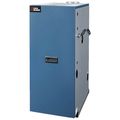
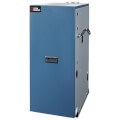
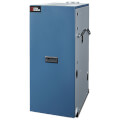

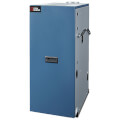
Utica MGB gas boilers are cast iron, gas-fired boilers built for residential and light commercial hydronic systems that need a straightforward atmospheric-burner replacement. The MGB line uses a cast iron heat exchanger, a construction choice that has made Utica a common respecification when an aging cast iron boiler in the field needs to be swapped rather than redesigned around a new venting or piping layout. Utica rates the MGB series at 84% AFUE, putting it in the standard-efficiency category rather than the condensing tier, which keeps venting and near-boiler piping closer to what a legacy system already has in place. Sizing starts with a heat loss calculation for the space served, since an oversized cast iron boiler short cycles and an undersized one struggles on the coldest days of the year. Because the MGB series spans multiple input sizes, matching the replacement to the load rather than to the old boiler's nameplate rating is the more reliable approach on a retrofit.
Subcategories
- Standard Input MGB Boilers: Lower BTU input models in the MGB line suit average residential heating loads and older homes replacing an existing cast iron boiler of similar output. Utica rates the full MGB series at 84% AFUE, so a lower-input model in this group still delivers the same combustion efficiency as the larger units, just scaled to a smaller heating loop.
- Larger Input MGB Boilers: Higher BTU input models in the MGB line serve larger residences or light commercial spaces with a bigger hydronic loop, while keeping the same cast iron heat exchanger construction as the smaller models. Contractors sizing one of these units still need an accurate heat loss calculation for the building rather than matching the old boiler's rated output.
- MGB Piping and Control Accessories: Near-boiler piping kits, circulators, and Hydrolevel-style controls round out an MGB installation and are typically ordered alongside the boiler itself. Getting the near-boiler piping right affects both the boiler's efficiency and its long-term reliability, so matching these accessories to the specific MGB model matters as much as the boiler selection.
- MGB Replacement Parts: Ignition modules, blocked vent switches, gaskets, and other wear parts keep an installed MGB boiler running between full replacements. Stocking common wear parts for the MGB line shortens a no-heat callback on an older unit that's still within its useful life.
Buying Guide
Sizing comes first. Run a heat loss calculation for the structure the boiler will serve, then choose the MGB input size that covers that load without excess margin, since an oversized cast iron boiler short cycles and wastes fuel over a season. Confirm the venting configuration next: Utica rates the MGB series at 84% AFUE, a standard-efficiency category that vents through a masonry chimney or Category I connector rather than the plastic pipe used by condensing boilers, so replacing a similar legacy cast iron boiler with an MGB unit usually keeps the existing venting compatible. Piping connection side matters on a tight mechanical room. Utica offers water and gas piping connections out either the left or right side of the MGB boiler, so matching the new unit's connection side to the existing supply and return lines saves reworking the piping run entirely. Utica MGB Gas Boilers ship with a cast iron heat exchanger, which tolerates variable water quality better than some aluminum or stainless alternatives, a relevant factor in older buildings with inconsistent water treatment. Finally, budget for the accessory parts, circulators, near-boiler piping, and controls, that complete the install, since the boiler itself is only part of the finished system. Contractors doing frequent replacements benefit from stocking a couple of the most common input sizes rather than special-ordering each job.
Frequently Asked Questions
What's the efficiency rating on a Utica MGB boiler?
Utica rates the MGB series at 84% AFUE, which places it in the standard-efficiency category rather than the condensing tier. An 84% AFUE rating pairs with Category I venting, so replacing an existing cast iron boiler with an MGB unit usually keeps the current chimney or vent connector in service.
Is the MGB boiler cast iron or aluminum?
It's cast iron. Utica builds the MGB heat exchanger from cast iron sections, a construction choice that holds up well against variable water quality and has made the line a common respecification for older cast iron boilers already in the field.
Can I connect an MGB boiler's piping on either side of a tight mechanical room?
Yes. Utica offers the MGB series with water and gas piping connections out either the left or right side of the boiler, which helps match a replacement to an existing supply and return layout without rerouting piping.
How do I size a replacement MGB boiler correctly?
Run a heat loss calculation for the space rather than matching the nameplate rating on the boiler being replaced. Cast iron boilers installed decades ago were often oversized by the standards used today, so copying the old rating risks short cycling on the new unit.
What accessories come with an MGB boiler versus what needs to be ordered separately?
The boiler itself includes its cast iron sections, jacket, and burner assembly, but near-boiler piping, circulators, and some control components are typically ordered as separate line items. Planning for those accessories up front avoids a delayed install waiting on a part that wasn't included with the boiler.
