




Utica Starfire SFH Oil Boilers

 --%3E %3Csvg version='1.1' id='Fill' xmlns='http://www.w3.org/2000/svg' xmlns:xlink='http://www.w3.org/1999/xlink' x='0px' y='0px' viewBox='0 0 100 100' enable-background='new 0 0 100 100' xml:space='preserve'%3E %3Cpath fill='%23F15C02' d='M79.44,0.95H20.56C9.78,0.95,0.95,9.78,0.95,20.56v58.87c0,10.79,8.82,19.61,19.61,19.61h58.87 c10.79,0,19.61-8.83,19.61-19.61V20.56C99.05,9.78,90.22,0.95,79.44,0.95z M65.38,58.24l9.38,29.58L49.69,69.78L24.5,87.82 l9.34-29.6L8.8,39.6l30.73-0.17c0,0,6.98-19.61,10-28.93c0.54,1.36,9.88,29.1,9.88,29.1H91.2L65.38,58.24z'/%3E %3C/svg%3E)
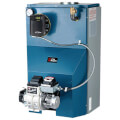
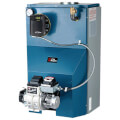
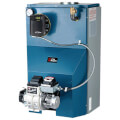
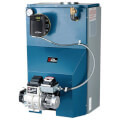


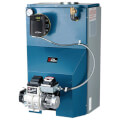
Utica Starfire SFH oil boilers are cast iron sectional hot water boilers built for residential and light commercial heating systems that run on fuel oil rather than natural gas or propane. The cast iron sectional design allows the boiler to be sized to a building's heating load by adding or removing sections, giving contractors flexibility when matching a replacement boiler to an existing system's output requirements. Installers commonly select this line for oil-heat replacement jobs where the building already has an oil tank and delivery service in place.
Contractors specify the Starfire SFH line when a customer needs a straightforward cast iron boiler replacement without switching fuel types, since converting a home from oil to gas heat involves cost and complexity beyond the scope of a boiler swap. The sectional cast iron construction is also valued for its durability and long service life compared to some lighter-gauge boiler designs.
Subcategories
- Standard Hot Water Boiler Configurations: The base Starfire SFH configuration is set up for hot water heating distribution, such as baseboard or radiator systems, without a built-in domestic hot water option. Contractors select this configuration when the home already has a separate water heater and only space heating needs to be replaced. It is the more common configuration for straightforward heating-only replacements.
- Tankless Coil Options: Some Starfire SFH installations add a tankless coil, which uses the boiler's heat to also produce domestic hot water without a separate storage tank. This option is chosen in homes without a dedicated water heater or where the customer wants to consolidate both space heating and domestic hot water production into a single appliance. Sizing the coil correctly to the household's hot water demand matters for consistent performance.
- Indirect-Compatible Configurations: Boilers set up to work with a separate indirect-fired water heater tank instead of a tankless coil provide domestic hot water through a dedicated storage tank heated by the boiler loop. This setup is often chosen for households with higher hot water demand than a tankless coil can comfortably support. Contractors weigh this option against a tankless coil based on the home's hot water usage patterns.
Buying Guide
Sizing is the first consideration when selecting a Utica Starfire SFH oil boiler, since the cast iron sectional design allows the unit to be configured to match the building's calculated heating load rather than forcing a one-size-fits-all replacement. An accurate heat loss calculation for the building keeps the replacement boiler correctly matched rather than oversized or undersized.
Decide early whether the installation needs a tankless coil, an indirect-compatible setup, or a heating-only configuration, since this affects both the boiler's plumbing connections and the overall footprint of the mechanical room. Homes with high domestic hot water demand are usually better served by an indirect tank rather than relying on a tankless coil alone.
Because these are oil-fired units, confirm the property has an existing oil tank and delivery arrangement in good condition, since replacing a boiler does not address a failing or undersized oil tank that may also need attention during the same project.
For Utica Starfire SFH oil boilers going into an existing heating system, verify that the existing baseboard or radiator distribution piping and circulator are compatible with the new boiler's output rather than assuming a direct swap will work without adjustment.
Finally, confirm venting requirements match the boiler's specifications, since oil-fired equipment has specific chimney or direct-vent requirements that differ from gas appliances and need to be verified against the existing venting in the home.
Frequently Asked Questions
What is the advantage of a cast iron sectional boiler design?
Cast iron sections allow the boiler to be configured to match a specific building's heating load and are known for long service life compared to some lighter-gauge alternatives. Sections can be added or removed to size the unit appropriately during installation.
Do I need a tankless coil or an indirect tank for domestic hot water?
This depends on household hot water demand. A tankless coil works well for lower demand households wanting to avoid a separate storage tank, while an indirect tank is generally better suited to homes with higher or more consistent hot water usage.
Can a Starfire SFH boiler be installed without an existing oil tank?
No, these are oil-fired units that require an oil tank and delivery service already in place or installed as part of the same project. Confirming the tank's condition and capacity is part of a complete installation plan.
Is switching from oil to gas heat part of a boiler replacement?
Not typically. A Starfire SFH replacement keeps the home on oil heat, since converting fuel types involves additional cost and infrastructure changes beyond a straightforward boiler swap.
How is a Utica Starfire SFH boiler sized for a home?
Sizing is based on a heat loss calculation for the building, which determines how many cast iron sections and what overall output the boiler needs to properly heat the space without being oversized or undersized.
