




Vacancy Sensors

 --%3E %3Csvg version='1.1' id='No-RB' xmlns='http://www.w3.org/2000/svg' xmlns:xlink='http://www.w3.org/1999/xlink' x='0px' y='0px' viewBox='0 0 100 100' enable-background='new 0 0 100 100' xml:space='preserve'%3E %3Cpath fill='%23CECECE' d='M79.44,0.95H20.56C9.78,0.95,0.95,9.78,0.95,20.56v58.87c0,10.79,8.82,19.61,19.61,19.61h58.87 c10.79,0,19.61-8.83,19.61-19.61V20.56C99.05,9.78,90.22,0.95,79.44,0.95z M65.38,58.24l9.38,29.58L49.69,69.78L24.5,87.82 l9.34-29.6L8.8,39.6l30.73-0.17c0,0,6.98-19.61,10-28.93c0.54,1.36,9.88,29.1,9.88,29.1H91.2L65.38,58.24z'/%3E %3C/svg%3E)
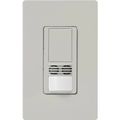
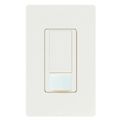
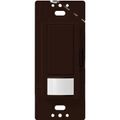
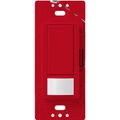
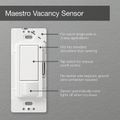
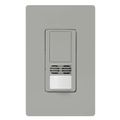
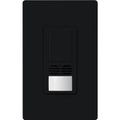

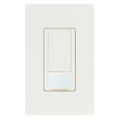
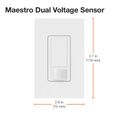
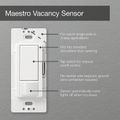
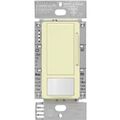
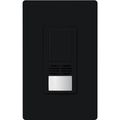
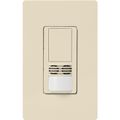
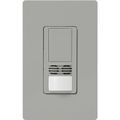
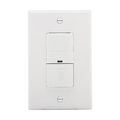

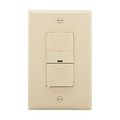
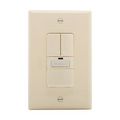
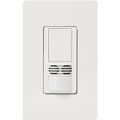
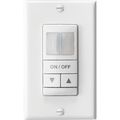

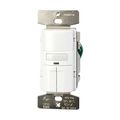
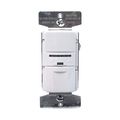
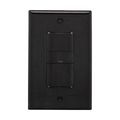
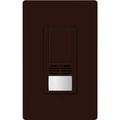
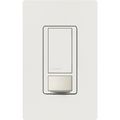
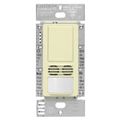
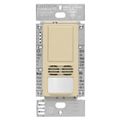
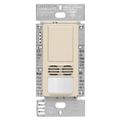
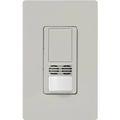
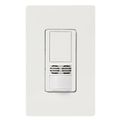
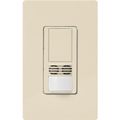
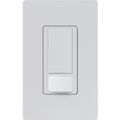
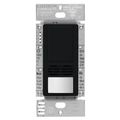
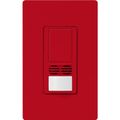
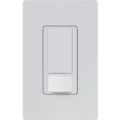
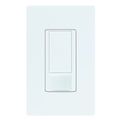
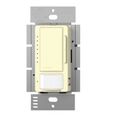
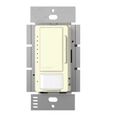
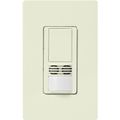
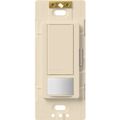
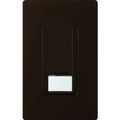
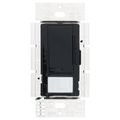

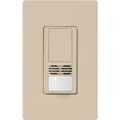
Vacancy Sensors are lighting controls that leave the on decision to the occupant, then turn the load off automatically after motion stops. The Leviton DVS05-1LZ, for example, is a manual-on, automatic-off wall box sensor that uses 180 degree passive infrared detection to cover 900 square feet on a 120 VAC circuit. Time delays on that model are adjustable at 1, 5, 10 or 20 minutes, and Leviton lists it as compliant with 2019 California Title 24 requirements. Lutron offers vacancy sensor switches as well, with timeout options of 1, 5, 15 or 30 minutes. Because the lights never turn on by themselves, vacancy sensing suits spaces where occupants want control over when lighting starts. Choosing the right load rating, wiring requirement and coverage area matters because a mismatch leads to nuisance shut-offs, failed installs and callbacks.
Subcategories
- Single Pole and 3-Way Wall Switch Sensors: The Leviton DVS05-1LZ is a Decora wall box vacancy sensor that installs as single pole or 3-way. It is rated for 300W of LED or CFL, 600W of incandescent or halogen, a 1/4 HP motor and 5A resistive on 120 VAC. Detection is 180 degree passive infrared over 900 square feet, and the unit works with a ground or a neutral wire. Contractors use this type for residential rooms where the lighting load is modest.
- High Amperage Multi-Way Sensors: The Leviton DVS15-1LZ is a 15A resistive vacancy sensor for 120 VAC circuits. Load ratings are 600W of LED or CFL, 1800W of incandescent or halogen and a 1/2 HP motor. It requires a neutral wire, covers 900 square feet with 180 degree passive infrared, and works in multi-way and multi-sensor applications. Installers use it when a circuit carries a heavier lighting load or several control locations.
- Lutron Maestro Vacancy Sensor Switches: Lutron lists the MS-VPS2 as a single pole, passive infrared only vacancy sensor with a 2A lighting rating. Lutron lists timeout options of 1, 5, 15 or 30 minutes for its vacancy sensors. Contractors choose this type for small lighting loads and for projects already standardized on Lutron wall controls. Check the exact catalog number for finish and wiring details before ordering.
Buying Guide
Start with the load. Ratings differ by model, so add up the connected lighting before choosing a device. The Leviton DVS05-1LZ is rated for 300W of LED or CFL, 600W of incandescent or halogen, a 1/4 HP motor and 5A resistive. The Leviton DVS15-1LZ is rated for 600W of LED or CFL, 1800W of incandescent or halogen, a 1/2 HP motor and 15A resistive. The Lutron MS-VPS2 carries a 2A lighting rating.
Next, check the wiring and circuit layout. The DVS05-1LZ works with a ground or a neutral wire and installs as single pole or 3-way. The DVS15-1LZ requires a neutral and works in multi-way and multi-sensor applications. Confirm the box has the conductors the device needs before ordering, especially on older retrofit work.
Then match detection and timing to the room. Both Leviton models use 180 degree passive infrared detection for 900 square feet and offer 1, 5, 10 or 20 minute delays, while Lutron lists 1, 5, 15 or 30 minute timeouts. Both Leviton models are residential grade, so check the project spec before using them in commercial work. Leviton lists both as complying with California Title 24 requirements, but local code still decides what a job needs. When comparing Vacancy Sensors, confirm coverage, delay options and wiring against the room before the order goes in.
Frequently Asked Questions
What is the difference between vacancy sensors and occupancy sensors?
Vacancy Sensors use manual-on, automatic-off operation, so someone presses the switch to start the lights and the sensor turns them off after motion stops. The Leviton DVS05-1LZ and DVS15-1LZ both work this way. Occupancy sensors turn the lights on automatically as well.
Do vacancy sensors need a neutral wire?
It depends on the model. The Leviton DVS05-1LZ vacancy sensor works with a ground or a neutral wire, while the DVS15-1LZ requires a neutral. Check the box wiring before choosing a vacancy sensor for a retrofit.
How much load can a vacancy sensor switch handle?
Load ratings vary by vacancy sensor model. The Leviton DVS05-1LZ is rated for 300W of LED or CFL and 5A resistive, and the DVS15-1LZ is rated for 600W of LED or CFL and 15A resistive. The Lutron MS-VPS2 carries a 2A lighting rating.
What time delay settings do vacancy sensors offer?
Vacancy sensor delays depend on the manufacturer. The Leviton DVS05-1LZ and DVS15-1LZ offer 1, 5, 10 or 20 minute settings, and Lutron lists timeout options of 1, 5, 15 or 30 minutes for its vacancy sensors.
Can vacancy sensors be used on 3-way circuits?
Some vacancy sensor models can. The Leviton DVS05-1LZ installs as single pole or 3-way, and the DVS15-1LZ works in multi-way and multi-sensor applications. Confirm the circuit layout against the model's instructions before installing.
