




Filters
SORT
Product Availability –
Used With –
Review Score –
 --%3E %3Csvg version='1.1' id='Fill' xmlns='http://www.w3.org/2000/svg' xmlns:xlink='http://www.w3.org/1999/xlink' x='0px' y='0px' viewBox='0 0 100 100' enable-background='new 0 0 100 100' xml:space='preserve'%3E %3Cpath fill='%23F15C02' d='M79.44,0.95H20.56C9.78,0.95,0.95,9.78,0.95,20.56v58.87c0,10.79,8.82,19.61,19.61,19.61h58.87 c10.79,0,19.61-8.83,19.61-19.61V20.56C99.05,9.78,90.22,0.95,79.44,0.95z M65.38,58.24l9.38,29.58L49.69,69.78L24.5,87.82 l9.34-29.6L8.8,39.6l30.73-0.17c0,0,6.98-19.61,10-28.93c0.54,1.36,9.88,29.1,9.88,29.1H91.2L65.38,58.24z'/%3E %3C/svg%3E)
 --%3E %3Csvg version='1.1' id='With-RB' xmlns='http://www.w3.org/2000/svg' xmlns:xlink='http://www.w3.org/1999/xlink' x='0px' y='0px' viewBox='0 0 100 100' enable-background='new 0 0 100 100' xml:space='preserve'%3E %3Cpath fill='%23FBC8B4' d='M79.44,0.95H20.56C9.78,0.95,0.95,9.78,0.95,20.56v58.87c0,10.79,8.82,19.61,19.61,19.61h58.87 c10.79,0,19.61-8.83,19.61-19.61V20.56C99.05,9.78,90.22,0.95,79.44,0.95z M65.38,58.24l9.38,29.58L49.69,69.78L24.5,87.82 l9.34-29.6L8.8,39.6l30.73-0.17c0,0,6.98-19.61,10-28.93c0.54,1.36,9.88,29.1,9.88,29.1H91.2L65.38,58.24z'/%3E %3C/svg%3E)
Price Range –
Weil McLain 78 Series Boiler Parts


 --%3E %3Csvg version='1.1' id='Half' xmlns='http://www.w3.org/2000/svg' xmlns:xlink='http://www.w3.org/1999/xlink' x='0px' y='0px' viewBox='0 0 100 100' enable-background='new 0 0 100 100' xml:space='preserve'%3E %3Cg%3E %3Cpath fill='%23F15C02' d='M30.05,70.23l3.79-12.01L8.8,39.6l30.73-0.17c0,0,6.98-19.61,10-28.93c0.54,1.36,9.88,29.1,9.88,29.1h1.58 L93.71,7.18c-3.58-3.82-8.66-6.23-14.28-6.23H20.56C9.78,0.95,0.95,9.78,0.95,20.56v58.87c0,5.41,2.22,10.32,5.79,13.88 L30.05,70.23z'/%3E %3C/g%3E %3Cpath fill='%23FBC8B4' d='M93.71,7.18L60.98,39.6H91.2L65.38,58.24l9.38,29.58L49.69,69.78L24.5,87.82l5.55-17.59L6.75,93.32 c3.55,3.54,8.44,5.73,13.82,5.73h58.87c10.79,0,19.61-8.83,19.61-19.61V20.56C99.05,15.4,97.01,10.69,93.71,7.18z'/%3E %3C/svg%3E)



 --%3E %3Csvg version='1.1' id='No-RB' xmlns='http://www.w3.org/2000/svg' xmlns:xlink='http://www.w3.org/1999/xlink' x='0px' y='0px' viewBox='0 0 100 100' enable-background='new 0 0 100 100' xml:space='preserve'%3E %3Cpath fill='%23CECECE' d='M79.44,0.95H20.56C9.78,0.95,0.95,9.78,0.95,20.56v58.87c0,10.79,8.82,19.61,19.61,19.61h58.87 c10.79,0,19.61-8.83,19.61-19.61V20.56C99.05,9.78,90.22,0.95,79.44,0.95z M65.38,58.24l9.38,29.58L49.69,69.78L24.5,87.82 l9.34-29.6L8.8,39.6l30.73-0.17c0,0,6.98-19.61,10-28.93c0.54,1.36,9.88,29.1,9.88,29.1H91.2L65.38,58.24z'/%3E %3C/svg%3E)


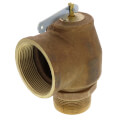

Weil McLain 78 Series boiler parts keep the company's cast iron gas-fired boiler line running through the sections, controls, and burner components that wear out over years of service in residential and light commercial heating systems. Weil-McLain, founded in Chicago in 1881 and now the largest manufacturer of cast iron boilers sold under its own brand name in North America, has kept the 78 Series in service long enough that replacement parts remain a steady demand even as newer high-efficiency models have entered the lineup. Contractors servicing an older 78 Series unit typically look first at the burner assembly, pilot or ignition components, and gaskets, since these wear faster than the cast iron sections themselves. Confirming the boiler's exact model and serial number before ordering matters more on an older unit like this, since parts have changed across the model's long production run and a part that fits a later version won't always fit an earlier one.
Subcategories
- Cast Iron Sections: Cast iron sections are the core heat exchanger components that make up the boiler's block, and a cracked or leaking section is typically the failure that ends a 78 Series unit's service life rather than a repairable part failure. Sections are ordered individually to match the boiler's specific size and section count, since the boiler's output rating depends on how many sections are assembled together. Replacing a single cracked section, rather than the entire block, is possible on this design but requires matching the exact section part number to the existing boiler. Confirming the boiler's model and section count from the nameplate prevents ordering an incompatible section.
- Burners and Ignition Components: Burners and ignition components include the gas burner assembly, pilot or hot surface ignitor, and related controls that light and maintain the flame inside the boiler. Wear on these components outpaces the cast iron sections, particularly on units that have been in service for well over a decade. A burner that won't light reliably or that produces poor flame characteristics is one of the more common service calls on an older 78 Series boiler. Matching the burner orifice size to the fuel type and boiler input rating is critical, since an incorrect orifice affects both efficiency and safe operation.
- Circulator Pumps and Controls: Circulator pumps and their associated controls move heated water from the boiler to the distribution system, and a failed circulator typically shows up as a boiler that fires normally but doesn't deliver heat to the building. Aquastat controls, which govern water temperature and circulator operation, are a related component that fails independently of the pump itself. Confirming whether the symptom points to the pump, the control, or both before ordering parts avoids replacing a working component unnecessarily. Several Weil-McLain boiler series generally share these parts, so cross-referencing against a parts catalog rather than assuming series-specific parts are needed can widen the sourcing options.
- Gaskets and Seals: Gaskets and seals maintain the airtight and watertight connections between sections, the jacket, and various access panels on the boiler, and a failed gasket is a common source of flue gas leakage or water seepage around the block. Section gaskets in particular require careful installation, since a section replacement job typically means replacing every gasket in the block rather than reusing old ones. Heat cycling over years of operation wears these gaskets gradually rather than failing them suddenly. Ordering a complete gasket set whenever a section is replaced, rather than piecing together individual gaskets, is the standard practice for this kind of repair.
Buying Guide
Model and serial number verification comes first on any Weil McLain 78 Series Boiler Parts order, since this boiler line has been in production long enough that early and later versions use different part numbers for what looks like the same component. Pulling this information from the boiler's nameplate, rather than estimating from the unit's general appearance or age, avoids the most common ordering mistake on a unit this old. Section replacement calls for matching not just the boiler's model but its exact section count, since the assembled block determines the unit's heating output and a mismatched section can throw that rating off. Burner and ignition parts wear faster than the cast iron sections and account for a larger share of routine service calls, so keeping common orifice sizes and ignitor components on hand covers most no-heat calls without a special order. Circulator and control failures can mimic each other, a boiler that fires but doesn't deliver heat could point to either component, so diagnosing which part has actually failed before ordering prevents replacing a component that was never the problem. Gasket sets should be replaced as a complete set whenever a section is opened up for repair, rather than reusing old gaskets or ordering pieces individually, since a proper reseal depends on every gasket in the block sealing correctly at the same time.
Frequently Asked Questions
Are parts for an older 78 Series boiler still available?
Yes, replacement parts for the 78 Series continue to be produced, since Weil-McLain has kept the line in service long enough that demand for replacement components has stayed steady, though confirming the exact model and serial number matters more on an older unit where part numbers have changed across the production run.
Can a single cracked cast iron section be replaced without replacing the whole boiler?
Yes, individual sections can be replaced on this design, but the replacement section needs to match the boiler's exact model and section count, since the assembled block determines the boiler's heat output rating. A full gasket set typically needs replacing at the same time as the section.
What is the most common reason a 78 Series boiler fires but doesn't deliver heat?
A failed circulator pump or a faulty aquastat control are the most common causes, since the boiler itself can be operating correctly while the water isn't being moved to the distribution system. Diagnosing which of the two components has failed before ordering parts avoids replacing something that was never the actual problem.
Do circulator pumps and controls interchange across different Weil-McLain boiler series?
Many circulator pumps and aquastat controls are shared across several Weil-McLain series rather than being unique to the 78 Series, so cross-referencing a parts catalog by component rather than assuming a series-specific part is required can open up more sourcing options.
Why do gaskets need replacing every time a section is opened up?
A proper reseal depends on every gasket in the block sealing correctly at the same time, and reusing an old gasket that has already compressed and hardened from years of heat cycling risks a leak at that one connection point even if every other gasket is new. Replacing the full set whenever a section is serviced is standard practice for this reason.
