




Well Fittings
Well fittings cover the hardware used to cap and seal a well casing, currently including well caps used by well drillers and pump installers to finish off the top of a well.
A properly sealed well cap keeps surface contaminants, insects, and debris out of the well while still allowing access for pump wiring and piping. Matching the cap size to the well casing diameter keeps the seal secure against weather and pests.


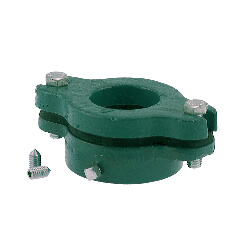

Subcategories
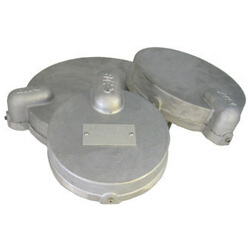
- Well Caps: Well drillers and pump installers use these to cap a well's casing opening, sealing out surface water, insects, and debris. Caps are sized to the casing's outer diameter, most commonly 4, 5, 6, or 8 inches, and come in watertight styles that seal fully around the casing and conduit, or vented styles with a screened opening that lets the well breathe while keeping vermin out.
Buying Guide
Measuring the casing's outer diameter comes before anything else, since well caps are sized to fit over the casing rather than to a nominal pipe size. A cap ordered to match an assumed pipe size instead of a measured outer diameter is one of the more common return reasons on this category.
Material choice comes down to the site's exposure and the job's priorities. Aluminum caps resist corrosion well and weigh less for handling on a service call, while cast iron options hold up to rougher treatment and physical impact in exposed or high-traffic locations.
Conduit openings need to match the number and size of electrical lines running from the pump to the control panel or wellhead. Some caps come with a single knockout for a standard conduit, while others offer multiple openings for wells with more than one line.
Watertight versus vented styles depends on local code and well construction. A sanitary well requires a fully sealed, watertight cap, while some setups call for a vented cap that lets air exchange happen while still keeping insects and debris out. Local health department or code requirements typically dictate which style is required for a given well.
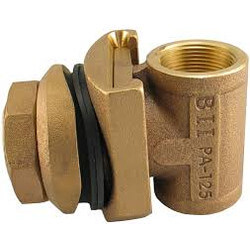
In climates that see hard freezes, pairing a well cap with a proper pitless adapter matters as much as the cap itself, since the adapter is what actually keeps the water line from freezing during winter months. A cap alone doesn't address freeze protection. It works together with the adapter and the water line's depth to keep the system running through cold weather.
Frequently Asked Questions
How is a well cap sized?
Well caps are sized to the outer diameter of the well casing, not a nominal pipe size. Measuring the casing directly, rather than assuming a size from the well's age or depth, is the reliable way to order a properly fitting cap.
What's the difference between a watertight and a vented well cap?
A watertight cap seals completely around the casing and any conduit passing through it, while a vented cap includes a screened opening that allows air exchange while still keeping insects and debris out. Local code or health department requirements typically determine which style a given well needs.
Does a well cap replace the need for a pitless adapter?
No. A well cap seals the casing opening, while a pitless adapter provides the actual freeze-resistant connection between the well and the water line running to a building. In climates with hard freezes, both components are typically used together.
What material well cap holds up best?
Aluminum caps resist corrosion and are lighter to handle during installation or service, while cast iron caps hold up better against physical impact in exposed or high-traffic locations. The right choice depends on the site's conditions and how much physical wear the cap is likely to see.
How many conduit openings does a well cap need?
The number of conduit openings should match the number of electrical lines running to the pump or control panel. A single-line well works fine with a cap that has one knockout, while wells with additional wiring need a cap with multiple conduit openings.
Resources
Subcategories
- Well Caps: Well drillers and pump installers use these to cap a well's casing opening, sealing out surface water, insects, and debris. Caps are sized to the casing's outer diameter, most commonly 4, 5, 6, or 8 inches, and come in watertight styles that seal fully around the casing and conduit, or vented styles with a screened opening that lets the well breathe while keeping vermin out.
Buying Guide
Measuring the casing's outer diameter comes before anything else, since well caps are sized to fit over the casing rather than to a nominal pipe size. A cap ordered to match an assumed pipe size instead of a measured outer diameter is one of the more common return reasons on this category.
Material choice comes down to the site's exposure and the job's priorities. Aluminum caps resist corrosion well and weigh less for handling on a service call, while cast iron options hold up to rougher treatment and physical impact in exposed or high-traffic locations.
Conduit openings need to match the number and size of electrical lines running from the pump to the control panel or wellhead. Some caps come with a single knockout for a standard conduit, while others offer multiple openings for wells with more than one line.
Watertight versus vented styles depends on local code and well construction. A sanitary well requires a fully sealed, watertight cap, while some setups call for a vented cap that lets air exchange happen while still keeping insects and debris out. Local health department or code requirements typically dictate which style is required for a given well.
In climates that see hard freezes, pairing a well cap with a proper pitless adapter matters as much as the cap itself, since the adapter is what actually keeps the water line from freezing during winter months. A cap alone doesn't address freeze protection. It works together with the adapter and the water line's depth to keep the system running through cold weather.
Frequently Asked Questions
How is a well cap sized?
Well caps are sized to the outer diameter of the well casing, not a nominal pipe size. Measuring the casing directly, rather than assuming a size from the well's age or depth, is the reliable way to order a properly fitting cap.
What's the difference between a watertight and a vented well cap?
A watertight cap seals completely around the casing and any conduit passing through it, while a vented cap includes a screened opening that allows air exchange while still keeping insects and debris out. Local code or health department requirements typically determine which style a given well needs.
Does a well cap replace the need for a pitless adapter?
No. A well cap seals the casing opening, while a pitless adapter provides the actual freeze-resistant connection between the well and the water line running to a building. In climates with hard freezes, both components are typically used together.
What material well cap holds up best?
Aluminum caps resist corrosion and are lighter to handle during installation or service, while cast iron caps hold up better against physical impact in exposed or high-traffic locations. The right choice depends on the site's conditions and how much physical wear the cap is likely to see.
How many conduit openings does a well cap need?
The number of conduit openings should match the number of electrical lines running to the pump or control panel. A single-line well works fine with a cap that has one knockout, while wells with additional wiring need a cap with multiple conduit openings.