




Well Seals

 --%3E %3Csvg version='1.1' id='No-RB' xmlns='http://www.w3.org/2000/svg' xmlns:xlink='http://www.w3.org/1999/xlink' x='0px' y='0px' viewBox='0 0 100 100' enable-background='new 0 0 100 100' xml:space='preserve'%3E %3Cpath fill='%23CECECE' d='M79.44,0.95H20.56C9.78,0.95,0.95,9.78,0.95,20.56v58.87c0,10.79,8.82,19.61,19.61,19.61h58.87 c10.79,0,19.61-8.83,19.61-19.61V20.56C99.05,9.78,90.22,0.95,79.44,0.95z M65.38,58.24l9.38,29.58L49.69,69.78L24.5,87.82 l9.34-29.6L8.8,39.6l30.73-0.17c0,0,6.98-19.61,10-28.93c0.54,1.36,9.88,29.1,9.88,29.1H91.2L65.38,58.24z'/%3E %3C/svg%3E)

 --%3E %3Csvg version='1.1' id='Fill' xmlns='http://www.w3.org/2000/svg' xmlns:xlink='http://www.w3.org/1999/xlink' x='0px' y='0px' viewBox='0 0 100 100' enable-background='new 0 0 100 100' xml:space='preserve'%3E %3Cpath fill='%23F15C02' d='M79.44,0.95H20.56C9.78,0.95,0.95,9.78,0.95,20.56v58.87c0,10.79,8.82,19.61,19.61,19.61h58.87 c10.79,0,19.61-8.83,19.61-19.61V20.56C99.05,9.78,90.22,0.95,79.44,0.95z M65.38,58.24l9.38,29.58L49.69,69.78L24.5,87.82 l9.34-29.6L8.8,39.6l30.73-0.17c0,0,6.98-19.61,10-28.93c0.54,1.36,9.88,29.1,9.88,29.1H91.2L65.38,58.24z'/%3E %3C/svg%3E)
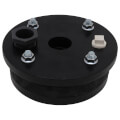
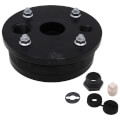
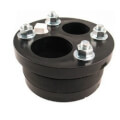
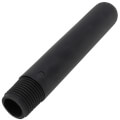
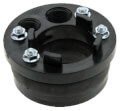
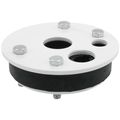
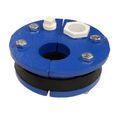

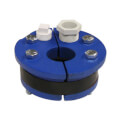
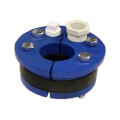
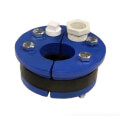
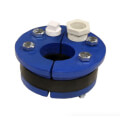
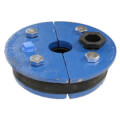
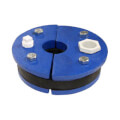
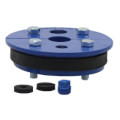
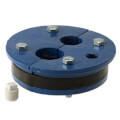
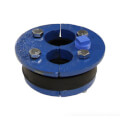
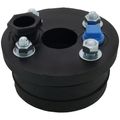
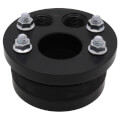
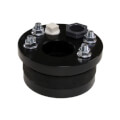
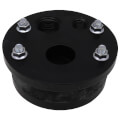
Well seals cap the top of a drilled well casing and provide a sanitary, code-compliant seal that keeps surface contaminants, insects, and rodents out of the water supply while allowing the pump wiring, drop pipe, and vent to pass through. A properly fitted well seal is sized to match the casing diameter and the specific pump and pipe configuration inside it, since a seal that's too loose defeats its sanitary purpose and one that's too tight can be difficult to install without damaging wiring. Most jurisdictions require a well seal as part of code-compliant well construction, and inspectors typically check the seal along with the well vent and casing height above grade. Materials range from cast iron to compression-molded composite, with the choice often depending on local code, budget, and whether the installation is a new well or a retrofit on an existing casing. Because a failed or improperly sized well seal is a common point of entry for surface water and contamination, replacing an aging or damaged seal is a routine part of well system maintenance.
Subcategories
- Cast Iron Well Seals: Cast iron well seals are a durable, widely used option for both residential and light commercial well installations. Their weight and rigidity make them a common choice where long-term durability matters more than minimizing installation weight.
- Composite / Plastic Well Seals: Composite well seals are lighter and often less expensive than cast iron, making them easier to handle on a single-technician install. They're commonly specified on residential retrofits where corrosion resistance to certain soil or water chemistries is also a consideration.
- Well Seal Accessories: Grommets, conduit connectors, and vent fittings are sold separately to adapt a well seal to a specific pump wiring and pipe configuration. Keeping a range of grommet sizes on a service truck helps match seals to wells with different pipe and cable diameters without special-ordering a part.
Buying Guide
Selecting the correct well seal starts with measuring the well casing's outside diameter accurately, since seals are sized to a specific casing range and a seal outside that range won't create the sanitary fit the installation requires. The number and size of openings needed for the drop pipe, pump wiring, and vent also varies by installation, so confirming the pump and pipe configuration before ordering avoids drilling or modifying a seal in the field. Local code often specifies minimum casing height above grade and seal type, particularly in areas with a high water table or flood risk, so checking those requirements before a new well construction or retrofit job prevents a failed inspection. Cast iron seals tend to hold up better in installations where the wellhead is exposed to vehicle traffic or heavy equipment nearby, while composite seals are easier to handle and often sufficient for a typical residential setting away from that kind of exposure. On retrofit jobs replacing an older or damaged seal, matching the existing casing diameter precisely is more important than matching the material of the original seal, since a mismatched diameter is the most common reason a seal fails to hold a proper fit.
Frequently Asked Questions
How is the correct well seal size determined?
The well casing's outside diameter is measured and matched to a seal rated for that specific diameter range, since a seal sized incorrectly won't create the tight, sanitary fit code requires.
What's the difference between cast iron and composite well seals?
Cast iron seals are heavier and more durable for high-traffic or exposed wellhead locations, while composite seals are lighter, easier to install, and often sufficient for a typical residential setting.
Do well seals need to match a specific number of pump wiring and pipe openings?
Yes, the seal needs enough properly sized openings for the drop pipe, pump wiring, and vent specific to the installation, so confirming that configuration before ordering avoids field modifications.
Why would a well seal need to be replaced if it isn't visibly damaged?
Age-related gasket hardening or a casing that has shifted slightly over time can compromise the seal's fit even without visible cracking, allowing surface water or contaminants into the well.
Does local code require a specific type of well seal?
Many jurisdictions specify minimum requirements for well seal type and casing height above grade, particularly in flood-prone or high water table areas, so checking local code before installation is standard practice.
