




Filters
SORT
Product Availability –
Size –
Review Score –
 --%3E %3Csvg version='1.1' id='Fill' xmlns='http://www.w3.org/2000/svg' xmlns:xlink='http://www.w3.org/1999/xlink' x='0px' y='0px' viewBox='0 0 100 100' enable-background='new 0 0 100 100' xml:space='preserve'%3E %3Cpath fill='%23F15C02' d='M79.44,0.95H20.56C9.78,0.95,0.95,9.78,0.95,20.56v58.87c0,10.79,8.82,19.61,19.61,19.61h58.87 c10.79,0,19.61-8.83,19.61-19.61V20.56C99.05,9.78,90.22,0.95,79.44,0.95z M65.38,58.24l9.38,29.58L49.69,69.78L24.5,87.82 l9.34-29.6L8.8,39.6l30.73-0.17c0,0,6.98-19.61,10-28.93c0.54,1.36,9.88,29.1,9.88,29.1H91.2L65.38,58.24z'/%3E %3C/svg%3E)
Price Range –
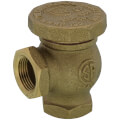
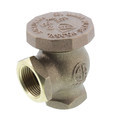
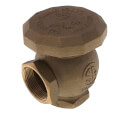
Wilkins 35 Atmospheric Vacuum Breakers


 --%3E %3Csvg version='1.1' id='Half' xmlns='http://www.w3.org/2000/svg' xmlns:xlink='http://www.w3.org/1999/xlink' x='0px' y='0px' viewBox='0 0 100 100' enable-background='new 0 0 100 100' xml:space='preserve'%3E %3Cg%3E %3Cpath fill='%23F15C02' d='M30.05,70.23l3.79-12.01L8.8,39.6l30.73-0.17c0,0,6.98-19.61,10-28.93c0.54,1.36,9.88,29.1,9.88,29.1h1.58 L93.71,7.18c-3.58-3.82-8.66-6.23-14.28-6.23H20.56C9.78,0.95,0.95,9.78,0.95,20.56v58.87c0,5.41,2.22,10.32,5.79,13.88 L30.05,70.23z'/%3E %3C/g%3E %3Cpath fill='%23FBC8B4' d='M93.71,7.18L60.98,39.6H91.2L65.38,58.24l9.38,29.58L49.69,69.78L24.5,87.82l5.55-17.59L6.75,93.32 c3.55,3.54,8.44,5.73,13.82,5.73h58.87c10.79,0,19.61-8.83,19.61-19.61V20.56C99.05,15.4,97.01,10.69,93.71,7.18z'/%3E %3C/svg%3E)


 --%3E %3Csvg version='1.1' id='No-RB' xmlns='http://www.w3.org/2000/svg' xmlns:xlink='http://www.w3.org/1999/xlink' x='0px' y='0px' viewBox='0 0 100 100' enable-background='new 0 0 100 100' xml:space='preserve'%3E %3Cpath fill='%23CECECE' d='M79.44,0.95H20.56C9.78,0.95,0.95,9.78,0.95,20.56v58.87c0,10.79,8.82,19.61,19.61,19.61h58.87 c10.79,0,19.61-8.83,19.61-19.61V20.56C99.05,9.78,90.22,0.95,79.44,0.95z M65.38,58.24l9.38,29.58L49.69,69.78L24.5,87.82 l9.34-29.6L8.8,39.6l30.73-0.17c0,0,6.98-19.61,10-28.93c0.54,1.36,9.88,29.1,9.88,29.1H91.2L65.38,58.24z'/%3E %3C/svg%3E)


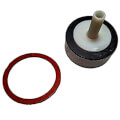
Wilkins 35 Atmospheric Vacuum Breakers are backflow prevention devices that stop contaminated water from being siphoned back into a potable supply during a backsiphonage event. The 35 series is rated for a maximum working pressure of 125 psi and a maximum water temperature of 180 degrees Fahrenheit, and it uses a lightweight plastic float mechanism inside a cast bronze body. Irrigation contractors and lab equipment installers rely on this device wherever a non-continuous pressure application creates a backsiphonage risk.
The line covers connection sizes from 1/2 inch up to 2 inches, with smaller sizes built in lead-free cast brass and larger sizes in lead-free cast bronze, so a single product family covers most residential and light commercial installs. Because it only protects against backsiphonage and not backpressure, matching the device to the actual hazard on site is what keeps an installation both code-compliant and effective.
Subcategories
- 1/2 Inch and 3/4 Inch Vacuum Breakers: The smaller connection sizes in the 35 series are built in lead-free cast brass and cover the majority of residential irrigation zones and small lab fixtures. Contractors use these sizes on individual sprinkler zones or single hose bibb connections. The body carries the same 125 psi maximum working pressure rating as the rest of the line. These sizes are the most common stock item for irrigation service trucks.
- 1 Inch and 1-1/2 Inch Vacuum Breakers: Mid-size vacuum breakers in this range are used on larger irrigation zones or commercial lab bench supplies where flow demand exceeds what a 3/4 inch device can handle. These sizes are built in lead-free cast bronze rather than brass. Installers select this range when a single zone valve feeds multiple heads or fixtures. The maximum water temperature rating of 180 degrees Fahrenheit still applies.
- 2 Inch Vacuum Breakers: The largest size in the 35 series serves commercial irrigation mainlines and larger lab or industrial non-potable applications. Quick installation features on this size support retrofit jobs where a device is being swapped without repiping the whole line. It is built in the same lead-free cast bronze as the 1 inch and 1-1/2 inch sizes. Contractors use this size where a single device needs to protect a higher-flow supply line.
- Rough and Polished Chrome Finish Options: The 35 series is available in multiple finish options, including rough chrome and polished chrome, for installations where the device remains visible after the job is finished. Contractors choose the polished finish for exposed indoor lab installs and the rough or unfinished body for buried or enclosed irrigation applications. Finish choice does not change the pressure or temperature ratings. It only affects appearance and corrosion resistance in exposed settings.
Buying Guide
Confirm that backsiphonage, not backpressure, is the actual hazard before specifying an atmospheric vacuum breaker. This device family only protects against backsiphonage in non-continuous pressure applications, so a continuous pressure system or one with a backpressure risk needs a different type of backflow preventer entirely. Getting this distinction wrong is the most common code compliance mistake on irrigation and lab jobs.
Size the device to the pipe run it protects, not the total system output. The Wilkins 35 Atmospheric Vacuum Breaker line covers 1/2 inch through 2 inch connections, and undersizing restricts flow across the zone while oversizing adds unnecessary cost. Measure the actual pipe diameter at the installation point rather than working backward from the pump or meter size.
Check the maximum working pressure and temperature ratings against the application. The 35 series is rated to 125 psi and 180 degrees Fahrenheit, which covers most irrigation and cold-to-warm lab supply lines, but a hot water or high-pressure application needs a different device rated for those conditions.
Decide on material and finish based on where the device installs. Smaller sizes are built in lead-free cast brass while larger sizes use lead-free cast bronze, and exposed indoor installs often call for a polished chrome finish rather than the standard rough finish used in buried or enclosed irrigation boxes.
Finally, confirm local plumbing code requirements before finalizing the order, since some jurisdictions specify particular certifications or installation heights for atmospheric vacuum breakers. Verifying code requirements up front avoids a failed inspection after the device is already installed.
Frequently Asked Questions
What does a Wilkins 35 Atmospheric Vacuum Breaker actually protect against?
It prevents backsiphonage, which is when a drop in supply pressure pulls contaminated water backward into the potable system. It does not protect against backpressure, so a system with that risk needs a different type of device.
What sizes are available in the Wilkins 35 series?
The line covers 1/2 inch, 3/4 inch, 1 inch, 1-1/2 inch, and 2 inch connections. Smaller sizes are built in lead-free cast brass and larger sizes in lead-free cast bronze.
What is the maximum pressure and temperature rating for this device?
The 35 series is rated for a maximum working pressure of 125 psi and a maximum water temperature of 180 degrees Fahrenheit. Applications outside those limits need a different backflow device.
Does the finish option affect performance?
No, finish options like rough chrome and polished chrome only affect appearance and corrosion resistance in exposed installations. They do not change the pressure or temperature ratings of the device.
Is this device suitable for both irrigation and lab applications?
Yes, the 35 series is commonly used in both irrigation systems and laboratory settings wherever a non-continuous pressure application creates a backsiphonage risk. Sizing and finish selection should still match the specific installation.
