




York Bearing Kits


 --%3E %3Csvg version='1.1' id='No-RB' xmlns='http://www.w3.org/2000/svg' xmlns:xlink='http://www.w3.org/1999/xlink' x='0px' y='0px' viewBox='0 0 100 100' enable-background='new 0 0 100 100' xml:space='preserve'%3E %3Cpath fill='%23CECECE' d='M79.44,0.95H20.56C9.78,0.95,0.95,9.78,0.95,20.56v58.87c0,10.79,8.82,19.61,19.61,19.61h58.87 c10.79,0,19.61-8.83,19.61-19.61V20.56C99.05,9.78,90.22,0.95,79.44,0.95z M65.38,58.24l9.38,29.58L49.69,69.78L24.5,87.82 l9.34-29.6L8.8,39.6l30.73-0.17c0,0,6.98-19.61,10-28.93c0.54,1.36,9.88,29.1,9.88,29.1H91.2L65.38,58.24z'/%3E %3C/svg%3E)


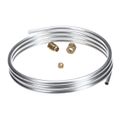
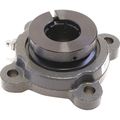
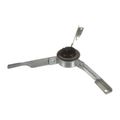


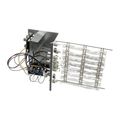

York bearing kits are replacement bearing and hardware assemblies designed for York-brand blower motors, condenser fan motors, and inducer draft motors used in residential and light commercial HVAC equipment. A worn bearing is one of the most common causes of a noisy or seized blower wheel, and replacing just the bearing instead of the entire motor keeps repair costs and downtime lower for a technician working a service call. Kits typically pair a sleeve or ball bearing with the correct shaft collar, retaining clip, and lubrication needed for a complete swap on the original motor housing. Matching the kit to the exact motor frame size and shaft diameter is critical, since a bearing that fits loosely or too tightly will fail again quickly. For contractors who service older York equipment, keeping a small stock of common bearing kits on the truck shortens repair visits and reduces the need for a return trip.
Subcategories
- Blower Motor Bearing Kits: Blower motor bearing kits replace the sleeve or ball bearings inside the indoor blower motor that circulates air through the ductwork. HVAC technicians reach for these kits when a blower motor develops a grinding or rattling noise at startup, since worn bearings are a leading cause of that symptom. Swapping the bearing instead of the full motor assembly is faster and keeps the job cost down for the customer. Most kits include the retaining hardware needed to reseat the bearing without disturbing the motor's balance.
- Condenser Fan Motor Bearing Kits: Condenser fan motor bearing kits address wear in the outdoor unit's fan motor, which runs continuously in direct sun and weather exposure. Technicians use these kits when a condenser fan is slow to start, wobbles, or makes a scraping sound as it spins. Because the outdoor motor sees more temperature swings and moisture than indoor equipment, its bearings tend to wear faster and get serviced more often. A properly seated bearing keeps the fan blade centered in its housing and prevents blade-to-shroud contact.
- Inducer Motor Bearing Kits: Inducer motor bearing kits support the small motor that pulls combustion gases through a gas furnace and out the vent. A failing inducer bearing often shows up as a high-pitched whine during furnace startup, and left unaddressed it can bind the motor entirely and prevent the furnace from firing. Replacing the bearing restores smooth rotation and quiet operation without the cost of a full inducer assembly, making it a common stop for technicians troubleshooting a furnace that won't complete its startup sequence.
- Bearing Kit Hardware & Lubricants: Hardware and lubricant kits round out a bearing repair by supplying the retaining clips, shaft collars, and motor-rated grease that keep a freshly installed bearing seated correctly. Technicians pick up these components separately when a bearing kit on hand is missing a specific clip size or when a lubricant has dried out in storage. Using the correct grease matters because standard automotive or household lubricants can break down under motor heat and shorten bearing life. Stocking these smaller parts alongside bearing kits avoids a second parts run mid-repair.
Buying Guide
Start by confirming the exact motor model number stamped on the York motor's nameplate before ordering a bearing kit, since bearing bore size, shaft diameter, and mounting configuration vary across motor frame sizes even within the same equipment line. A kit sized for the wrong frame will either spin loosely in the housing or bind against the shaft, and either problem leads to a repeat failure within weeks.
Consider whether the original bearing is a sleeve type or a ball type, because the two are not interchangeable. Sleeve bearings are common on older, lower-speed blower and fan motors and rely on regular lubrication, while ball bearings are more common on higher-speed or heavier-duty motors and generally run longer between service intervals. Selecting York bearing kits that match the original bearing style keeps noise levels and motor life consistent with the equipment's original design.
Check whether the kit includes the retaining clip, shaft collar, and grease needed for a complete job, or whether those pieces need to be ordered separately. A kit missing a small retaining part can turn a straightforward bearing swap into a second trip for the technician.
Finally, weigh the age and remaining service life of the motor itself. On an older unit nearing the end of its expected lifespan, a full motor replacement may be a more practical long-term choice than repeated bearing repairs.
Frequently Asked Questions
How do I know if a bearing kit will fit my York motor?
Match the kit to the motor's model number and frame size, which are stamped on the motor nameplate. Bearing bore diameter and shaft length vary by frame size, so a kit chosen by application alone can still be the wrong fit. When in doubt, pull the original bearing and compare its dimensions directly against the replacement.
Can I use a bearing kit meant for a different brand's motor?
Only if the bore size, shaft diameter, and mounting style match exactly, which is uncommon across different manufacturers. Motor housings and bearing seats are built to tight tolerances, so a bearing kit designed for another brand's motor often won't seat correctly even if the dimensions look close on paper. Sticking with a kit matched to the original motor line avoids that risk.
What's the difference between a sleeve bearing and a ball bearing?
A sleeve bearing is a simple metal bushing that the motor shaft spins inside, and it depends on regular lubrication to stay quiet and wear evenly. A ball bearing uses a ring of steel balls to reduce friction and typically needs less frequent maintenance. Sleeve bearings tend to show up on lighter-duty, lower-speed motors, while ball bearings are more common on motors that run harder or longer.
How often do blower motor bearings typically need replacement?
There's no fixed schedule since it depends on runtime, dust exposure, and how well the motor was lubricated over its service life. A grinding, rattling, or squealing noise from the blower compartment is usually the first sign that a bearing is wearing out. Catching it early prevents the bearing from seizing and damaging the motor shaft.
What tools are needed to replace a motor bearing?
A typical bearing swap calls for a bearing puller, retaining ring pliers, and a socket set to access the motor housing. Some motors also require a hydraulic press or bearing driver to seat the new bearing evenly without damaging the housing. Technicians without press equipment on hand sometimes opt for a full motor replacement instead of an in-shop bearing swap.
