




York Parts - Furnace & AC
York Parts cover the replacement components used to service York furnaces, air conditioners, heat pumps, and air handlers already installed in the field. They range from control boards and motors to sensors, filters, and electrical hardware. York equipment spans decades of product generations. Having access to the specific part that matches an installed unit is often the difference between a same-day repair and a delayed one.
Keeping a working supply of common York parts on hand helps service technicians handle the failures that come up most often. Examples include a worn contactor causing a no-cool call and a cracked circuit breaker tripping under normal load. Ordering by the equipment's model and serial number, rather than by a general part description, remains the most reliable way to get a correct match on the first try.




Subcategories
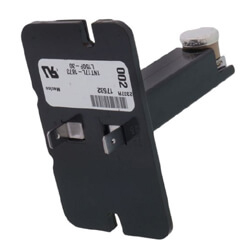
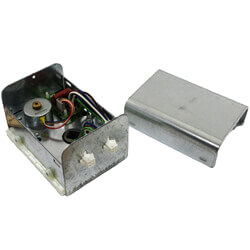
- York Actuators: York actuators operate dampers and valves within a system to regulate airflow or refrigerant flow. Technicians replace them when a zone or valve stops responding to control signals. Confirming rotation direction and mounting style against the original part avoids a linkage mismatch.
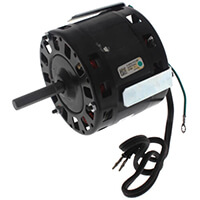
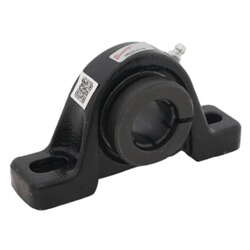
- York Bearing Kits: Bearing kits support the rotating shafts in York blower and inducer motors, and worn bearings often show up first as a grinding or squealing noise. Replacing bearings before a shaft wears out of tolerance can extend a motor's service life significantly. Kits are sized to match a specific motor frame.
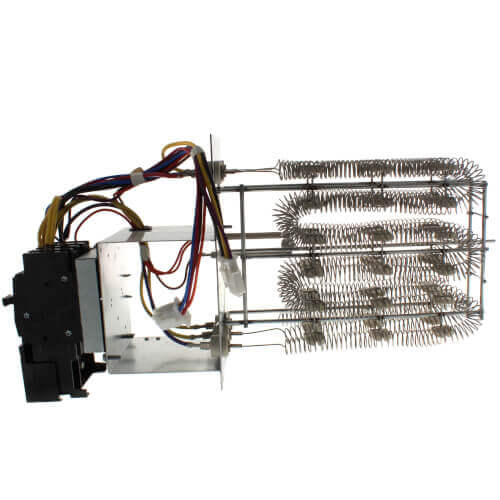
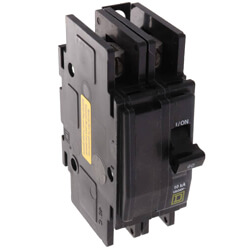
- York Circuit Breakers: Circuit breakers protect motors and control circuits from overcurrent conditions. A breaker that trips repeatedly under a normal load, or shows visible heat damage, typically needs replacement rather than repeated resetting. Amperage rating must match the circuit it protects.
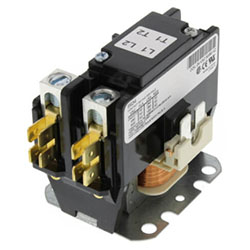
- York Contactors: Contactors switch the high-voltage power feeding compressors, condenser fans, and other major loads on and off in response to a low-voltage control signal. Pitted or stuck contacts are a common failure point that can prevent a unit from starting at all. Coil voltage and contact amperage rating both need to match the original part.
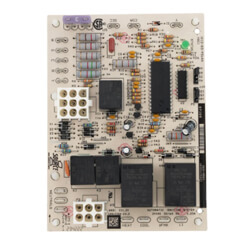
- York Control Boards: Control boards manage staging, timing, and safety functions across York furnaces and air handlers. A board failure can range from a complete no-heat lockout to intermittent faults that are difficult to diagnose without swapping the board. Cross-referencing the original board's part number confirms compatibility before installation.
Buying Guide
Ordering the correct York part starts with the equipment's model and serial number rather than a general description of the failed component. York model numbers encode tonnage, efficiency tier, and configuration details, and units that look alike from the outside can require different internal parts depending on their build date.
Electrical components such as contactors, circuit breakers, and control boards carry specific voltage and amperage requirements that are not interchangeable across product generations. Installing a part with the wrong rating risks premature failure or a safety hazard, so comparing the replacement's part number directly against the original is worth the extra step.
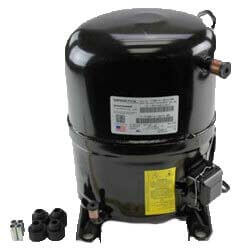
Mechanical components, including compressors, motors, and bearing kits, depend on matching physical dimensions and refrigerant or electrical specifications together. A compressor that matches voltage but not displacement will not install cleanly, even if it appears to be a close match. The same applies to a motor that is electrically correct but has the wrong shaft length.
Deciding between repairing an older York system and recommending full replacement often comes down to the age of the unit relative to the cost of the failed part. A compressor failure on a system nearing the end of its expected service life may call for a replacement discussion with the property owner. That can be a better option than another major repair.
York equipment is common in both residential and light commercial settings. Keeping frequently replaced items such as capacitors, contactors, and igniters stocked on the truck reduces the number of jobs that need a follow-up visit. Those visits happen when a part has to be special-ordered.
Frequently Asked Questions
Where do I find the model and serial number on a York unit?
The rating plate is typically located on the outdoor unit cabinet for condensers and heat pumps, or inside the furnace access panel for indoor equipment. That information identifies the exact configuration needed to order a matching part.
Can a universal contactor replace an OEM York contactor?
A replacement contactor can work as long as its coil voltage and contact amperage rating match the original. Mismatched ratings can cause the contactor to chatter, overheat, or fail to pull in reliably, so confirming specifications against the failed part is important before installing a substitute.
What should I check before replacing a York compressor?
Confirm that the refrigerant type, voltage, and displacement match the original compressor. Also weigh the cost of the replacement against the age and remaining service life of the overall system. On older units, a compressor failure is sometimes a signal to discuss full system replacement instead.
Why does a York control board need to match a specific part number?
Board revisions can differ in staging logic, safety features, or connector layout even when they look similar externally. Installing an incompatible revision can cause lockouts or communication issues with the thermostat, so cross-referencing the original board's part number is the safest approach.
What causes a York blower motor to develop noise over time?
Worn bearings are a common cause of grinding or squealing noise in blower and inducer motors. Replacing the bearing kit before the shaft wears further can extend the motor's usable life and avoid a full motor replacement.
Resources
Subcategories
- York Actuators: York actuators operate dampers and valves within a system to regulate airflow or refrigerant flow. Technicians replace them when a zone or valve stops responding to control signals. Confirming rotation direction and mounting style against the original part avoids a linkage mismatch.
- York Bearing Kits: Bearing kits support the rotating shafts in York blower and inducer motors, and worn bearings often show up first as a grinding or squealing noise. Replacing bearings before a shaft wears out of tolerance can extend a motor's service life significantly. Kits are sized to match a specific motor frame.
- York Circuit Breakers: Circuit breakers protect motors and control circuits from overcurrent conditions. A breaker that trips repeatedly under a normal load, or shows visible heat damage, typically needs replacement rather than repeated resetting. Amperage rating must match the circuit it protects.
- York Contactors: Contactors switch the high-voltage power feeding compressors, condenser fans, and other major loads on and off in response to a low-voltage control signal. Pitted or stuck contacts are a common failure point that can prevent a unit from starting at all. Coil voltage and contact amperage rating both need to match the original part.
- York Control Boards: Control boards manage staging, timing, and safety functions across York furnaces and air handlers. A board failure can range from a complete no-heat lockout to intermittent faults that are difficult to diagnose without swapping the board. Cross-referencing the original board's part number confirms compatibility before installation.
Buying Guide
Ordering the correct York part starts with the equipment's model and serial number rather than a general description of the failed component. York model numbers encode tonnage, efficiency tier, and configuration details, and units that look alike from the outside can require different internal parts depending on their build date.
Electrical components such as contactors, circuit breakers, and control boards carry specific voltage and amperage requirements that are not interchangeable across product generations. Installing a part with the wrong rating risks premature failure or a safety hazard, so comparing the replacement's part number directly against the original is worth the extra step.
Mechanical components, including compressors, motors, and bearing kits, depend on matching physical dimensions and refrigerant or electrical specifications together. A compressor that matches voltage but not displacement will not install cleanly, even if it appears to be a close match. The same applies to a motor that is electrically correct but has the wrong shaft length.
Deciding between repairing an older York system and recommending full replacement often comes down to the age of the unit relative to the cost of the failed part. A compressor failure on a system nearing the end of its expected service life may call for a replacement discussion with the property owner. That can be a better option than another major repair.
York equipment is common in both residential and light commercial settings. Keeping frequently replaced items such as capacitors, contactors, and igniters stocked on the truck reduces the number of jobs that need a follow-up visit. Those visits happen when a part has to be special-ordered.
Frequently Asked Questions
Where do I find the model and serial number on a York unit?
The rating plate is typically located on the outdoor unit cabinet for condensers and heat pumps, or inside the furnace access panel for indoor equipment. That information identifies the exact configuration needed to order a matching part.
Can a universal contactor replace an OEM York contactor?
A replacement contactor can work as long as its coil voltage and contact amperage rating match the original. Mismatched ratings can cause the contactor to chatter, overheat, or fail to pull in reliably, so confirming specifications against the failed part is important before installing a substitute.
What should I check before replacing a York compressor?
Confirm that the refrigerant type, voltage, and displacement match the original compressor. Also weigh the cost of the replacement against the age and remaining service life of the overall system. On older units, a compressor failure is sometimes a signal to discuss full system replacement instead.
Why does a York control board need to match a specific part number?
Board revisions can differ in staging logic, safety features, or connector layout even when they look similar externally. Installing an incompatible revision can cause lockouts or communication issues with the thermostat, so cross-referencing the original board's part number is the safest approach.
What causes a York blower motor to develop noise over time?
Worn bearings are a common cause of grinding or squealing noise in blower and inducer motors. Replacing the bearing kit before the shaft wears further can extend the motor's usable life and avoid a full motor replacement.