




Zilmet Hydraulic Separators

 --%3E %3Csvg version='1.1' id='No-RB' xmlns='http://www.w3.org/2000/svg' xmlns:xlink='http://www.w3.org/1999/xlink' x='0px' y='0px' viewBox='0 0 100 100' enable-background='new 0 0 100 100' xml:space='preserve'%3E %3Cpath fill='%23CECECE' d='M79.44,0.95H20.56C9.78,0.95,0.95,9.78,0.95,20.56v58.87c0,10.79,8.82,19.61,19.61,19.61h58.87 c10.79,0,19.61-8.83,19.61-19.61V20.56C99.05,9.78,90.22,0.95,79.44,0.95z M65.38,58.24l9.38,29.58L49.69,69.78L24.5,87.82 l9.34-29.6L8.8,39.6l30.73-0.17c0,0,6.98-19.61,10-28.93c0.54,1.36,9.88,29.1,9.88,29.1H91.2L65.38,58.24z'/%3E %3C/svg%3E)

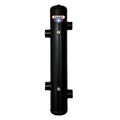
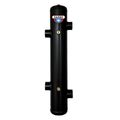
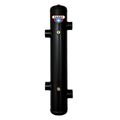

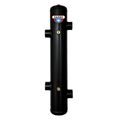
Zilmet Hydraulic Separators are hydronic system components that separate primary and secondary piping loops while pulling air and sediment out of the water before it reaches a boiler, chiller, or pump. The ZHS line uses a welded steel tank with internal baffles and no plastic internal parts, and the 1-1/4 inch NPTF model carries a flow rate up to 18 GPM at a maximum working pressure of 150 psig. Connections run from a 1 inch NPTF model up through a 2 inch NPTF model, letting a contractor match tank size to loop flow rather than oversizing the system. Each separator includes a built in automatic float vent, a bottom drain port, and a pair of 1/2 inch NPTF accessory ports for a sensor well or a magnetic dirt insert. For installers working on residential and light commercial hydronic systems, a properly sized separator protects circulators and heat exchangers from the air and debris that cause premature wear.
Subcategories
- 1 Inch NPTF Separators: The 1 inch NPTF connection size suits smaller residential hydronic loops with lower circulated flow. A hydronic contractor specifies this size when the boiler or chiller loop doesn't need the higher flow capacity of the larger models. It uses the same welded steel tank and baffle construction as the rest of the ZHS line.
- 1-1/4 Inch NPTF Separators: The 1-1/4 inch NPTF model, the ZHS-125, carries a flow rate up to 18 GPM at a maximum working pressure of 150 psig. Installers use this size on mid-range residential systems and some light commercial loops. The unit includes the same automatic float vent and bottom drain port found across the ZHS line.
- 2 Inch NPTF Separators: The 2 inch NPTF connection fits larger commercial hydronic loops moving more water per minute than the smaller models handle. A contractor sizing a larger boiler plant or chiller loop specifies this connection to avoid restricting flow. Construction matches the rest of the line, with a welded steel tank and internal baffles instead of plastic components.
- Accessory Ports and Magnetic Inserts: Each separator in the line includes a pair of 1/2 inch NPTF accessory ports built into the tank. Those ports accept a sensor well for temperature monitoring or a magnetic insert for additional dirt collection. Adding either accessory doesn't require a separate tee or fitting on the piping run.
Buying Guide
Sizing a hydraulic separator starts with the actual flow rate of the primary loop, not the size of the boiler or chiller nameplate. A 1 inch NPTF connection suits smaller residential systems with lower circulated flow, while a 1-1/4 inch model handles flow up to 18 GPM at up to 150 psig, and a 2 inch connection fits larger commercial loops moving more water per minute. Undersizing the connection restricts flow and adds pressure drop, while oversizing wastes space in a mechanical room without adding benefit. Zilmet Hydraulic Separators use a welded steel tank with internal baffles instead of plastic components, which matters in systems running glycol mixes or higher operating temperatures where plastic parts degrade faster. Check whether the installation needs a magnetic dirt separation insert in addition to basic air and sediment removal, since the accessory ports on each unit accept a magnetic insert or a sensor well, so one unit covers both functions without adding a second fitting. Confirm connection type against the existing piping layout before ordering, since NPTF threaded connections need matching fittings on both sides. For a boiler or chiller retrofit, matching the separator to actual system flow, working pressure, and accessory needs keeps the primary and secondary loops hydraulically separated without introducing a bottleneck.
Frequently Asked Questions
What does a hydraulic separator do in a hydronic system?
A hydraulic separator breaks the direct connection between a primary boiler or chiller loop and secondary distribution loops so each side can run at its own flow rate. It also pulls entrained air and sediment out of the water using internal baffles before the fluid reaches sensitive equipment. Zilmet Hydraulic Separators handle this function with a welded steel tank and a built in automatic float vent.
What size hydraulic separator fits a residential hydronic system?
Smaller residential systems typically match a 1 inch NPTF connection, while mid-size residential or light commercial systems often call for the 1-1/4 inch model rated up to 18 GPM at 150 psig. Larger commercial loops use the 2 inch NPTF connection. Matching the connection size to the actual circulated flow rate keeps pressure drop in check.
Can a magnetic dirt separator attach to a Zilmet hydraulic separator?
Each Zilmet Hydraulic Separator includes a pair of 1/2 inch NPTF accessory ports built into the tank. Those ports accept a magnetic dirt separation insert or a sensor well, so a single unit can combine air and sediment separation with magnetic debris collection. No separate tee or fitting is needed to add the insert.
What is the maximum operating pressure for a Zilmet hydraulic separator?
The 1-1/4 inch NPTF model carries a maximum working pressure of 150 psig and a maximum operating temperature of 200 degrees Fahrenheit. Installers should confirm system design pressure and temperature stay within those limits before specifying the unit. Fluid compatibility covers straight water or a glycol mix up to 50 percent concentration.
What materials make up a Zilmet hydraulic separator tank?
Zilmet Hydraulic Separators use a welded steel tank with internal baffles and no plastic internal components. Steel construction suits systems running higher temperatures or glycol mixes where plastic parts tend to degrade faster. A bottom port on the tank accepts a drain or blowdown valve for routine maintenance.
