




Zone Valves & Dampers
Zone valves and dampers control airflow or water flow to individual zones within a larger HVAC or hydronic system, currently covering motorized zone dampers that sit inside a duct run.
Motorized dampers open and close automatically in response to a zone thermostat, letting different areas of a building maintain independent temperatures from a single central system. Sizing a damper to the duct diameter keeps airflow control accurate for that specific zone.
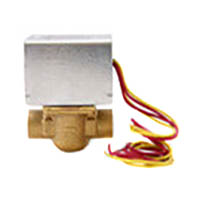
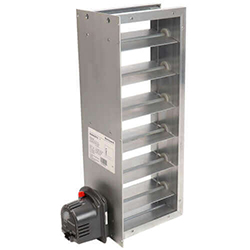

Subcategories
- Dampers: Motorized zone dampers sit inside a duct run and open or close in response to a signal from the zone control panel, directing airflow only to the zones currently calling for conditioning. They pair with a zone control board and individual thermostats to give a forced-air system the same room-by-room control zone valves provide on a hydronic system.
Buying Guide
Planning a zoned system starts with deciding how many zones a building actually needs, since adding more zones than necessary increases cost and control complexity without improving comfort.
Hydronic systems use a zone valve per zone, wired to a zone control panel that also manages the circulator, while forced-air systems use a motorized damper per zone tied into the ductwork and a separate zone control board.
Confirm voltage and wiring compatibility between the valve or damper and the existing zone control panel before ordering, since mismatched control voltage is one of the most common reasons a newly installed zone fails to open or close correctly.
Pipe or duct size determines the valve or damper size needed, and a fitting sized for the wrong diameter will either restrict flow or fail to seal fully when closed.
Leave access to each valve or damper for future service, since a zone valve or damper buried behind finished ceiling or wall material turns a simple actuator replacement into a much larger repair.
Frequently Asked Questions
What is the difference between a zone valve and a zone damper?
A zone valve controls flow on hydronic piping carrying hot or chilled water, while a zone damper controls airflow inside forced-air ductwork. Both serve the same purpose of isolating one zone from another based on a thermostat signal.
How many zones does a typical zoned system use?
Zone count depends on the building layout and how independently different areas need to be controlled, and it should be sized to actual comfort needs rather than added for its own sake, since extra zones add cost and control complexity.
Do zone valves and dampers need a dedicated control panel?
Yes. Both rely on a zone control panel or board that reads the thermostats and signals each valve or damper to open or close, and the panel needs to be compatible with the specific valves or dampers installed.
What happens if a zone valve is sized for the wrong pipe diameter?
A valve sized for the wrong diameter will either restrict flow through that zone or fail to seal completely when closed, which can cause uneven heating or cooling across zones.
Should zone valves and dampers be left accessible after installation?
Yes. Burying a valve or damper behind finished ceiling or wall material turns a routine actuator replacement into a much larger repair job later, so plan the install location with future service access in mind.
Resources
Subcategories
- Dampers: Motorized zone dampers sit inside a duct run and open or close in response to a signal from the zone control panel, directing airflow only to the zones currently calling for conditioning. They pair with a zone control board and individual thermostats to give a forced-air system the same room-by-room control zone valves provide on a hydronic system.
Buying Guide
Planning a zoned system starts with deciding how many zones a building actually needs, since adding more zones than necessary increases cost and control complexity without improving comfort.
Hydronic systems use a zone valve per zone, wired to a zone control panel that also manages the circulator, while forced-air systems use a motorized damper per zone tied into the ductwork and a separate zone control board.
Confirm voltage and wiring compatibility between the valve or damper and the existing zone control panel before ordering, since mismatched control voltage is one of the most common reasons a newly installed zone fails to open or close correctly.
Pipe or duct size determines the valve or damper size needed, and a fitting sized for the wrong diameter will either restrict flow or fail to seal fully when closed.
Leave access to each valve or damper for future service, since a zone valve or damper buried behind finished ceiling or wall material turns a simple actuator replacement into a much larger repair.
Frequently Asked Questions
What is the difference between a zone valve and a zone damper?
A zone valve controls flow on hydronic piping carrying hot or chilled water, while a zone damper controls airflow inside forced-air ductwork. Both serve the same purpose of isolating one zone from another based on a thermostat signal.
How many zones does a typical zoned system use?
Zone count depends on the building layout and how independently different areas need to be controlled, and it should be sized to actual comfort needs rather than added for its own sake, since extra zones add cost and control complexity.
Do zone valves and dampers need a dedicated control panel?
Yes. Both rely on a zone control panel or board that reads the thermostats and signals each valve or damper to open or close, and the panel needs to be compatible with the specific valves or dampers installed.
What happens if a zone valve is sized for the wrong pipe diameter?
A valve sized for the wrong diameter will either restrict flow through that zone or fail to seal completely when closed, which can cause uneven heating or cooling across zones.
Should zone valves and dampers be left accessible after installation?
Yes. Burying a valve or damper behind finished ceiling or wall material turns a routine actuator replacement into a much larger repair job later, so plan the install location with future service access in mind.