




Dampers
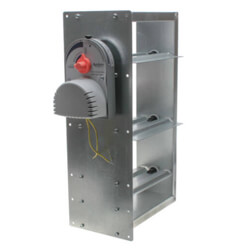
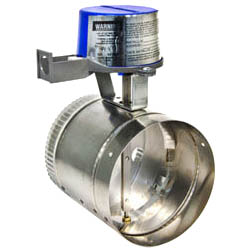
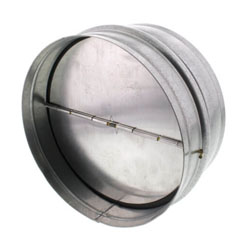
Dampers are mechanical plates or blades installed inside HVAC ductwork that open, close, or modulate to control airflow through a duct run. An actuator or manual handle moves the damper blade to the commanded position. This can be part of a zoning system, a fire and smoke protection strategy, or manual balancing between branches of ductwork.
Installers select dampers and their actuators based on where the damper sits in the system and what's driving it. The driver might be a wall thermostat calling for a zone, a smoke detection system, or manual balancing during commissioning. The damper and its actuator have to work together. Matching torque, voltage, and mounting style across both components keeps the assembly opening and closing reliably.



Subcategories
- Barber Colman Actuators & Valves: Barber Colman actuators and valves provide damper motor and control components. These open and close dampers in older or replacement HVAC zoning or control systems.
- Belimo Actuators & Valves: Belimo actuators and valves supply damper motors and control valves. They come in a range of torque and voltage options for HVAC damper and zoning applications.
- Dampers: Duct dampers in this category regulate or shut off airflow within a duct run, sized to match the duct dimensions on the job.
- Dampers: Additional duct damper styles and sizes are available for controlling or balancing airflow across branch ductwork within HVAC systems.
- Erie Actuators & Valves: Erie actuators and valves offer damper motor and control components. They are sized for residential or light commercial HVAC zoning and damper control applications.
- Field Controls Dampers: Field Controls dampers are built for HVAC and venting applications where a motorized or manual damper is needed to control airflow through the duct or vent run.
Buying Guide
Selecting a damper starts with confirming duct size and shape, since dampers are manufactured for round or rectangular ductwork in specific dimensions. A damper that doesn't match the duct's dimensions won't seal properly against the duct wall, allowing air to bypass the blade even when it's fully closed.
Decide whether the application calls for a manual or motorized damper. Manual dampers work for balancing airflow between branches during setup and rarely need adjustment afterward. Motorized dampers paired with an actuator suit zoning systems. They also suit any application that needs the damper position to change automatically in response to a control signal.
When a motorized damper is needed, match the actuator's torque rating to the damper's blade size and the static pressure it will work against. An actuator without enough torque may struggle to fully open or close a larger damper. The result can be inconsistent airflow or a damper that doesn't fully seat in the closed position.
Confirm the actuator's voltage and control signal type against the zoning panel or control system driving it. Actuators are built for specific voltage inputs and control signals, and connecting one to an incompatible control system can prevent the damper from responding correctly or damage the actuator.
For fire and smoke applications, verify the damper carries the correct rating and listing for its intended use. A standard balancing damper isn't built to perform the same protective function as a fire or smoke damper. Checking duct fit, actuation type, torque, and rating together against the job's requirements is the most reliable way to land on the correct damper and actuator combination.
Frequently Asked Questions
What's the difference between a manual and motorized damper?
A manual damper is set by hand and typically stays in position after initial balancing. A motorized damper connects to an actuator that changes its position automatically in response to a control signal.
How do I size an actuator for a damper?
Match the actuator's torque rating to the damper blade's size and the static pressure it operates against. An underpowered actuator may not fully open or close a larger damper.
Can any actuator be used with any damper?
Not necessarily. Actuator mounting, torque, voltage, and control signal need to match the damper and the control system driving it, so check compatibility before pairing components from different lines.
Are standard dampers rated for fire and smoke applications?
No. Fire and smoke dampers carry specific ratings and listings for that protective function, which a standard balancing or zoning damper does not have.
What voltage do damper actuators typically use?
It varies by actuator model, so check the specific actuator's voltage rating against the control system or transformer supplying it before installation.
Resources
Subcategories
- Barber Colman Actuators & Valves: Barber Colman actuators and valves provide damper motor and control components. These open and close dampers in older or replacement HVAC zoning or control systems.
- Belimo Actuators & Valves: Belimo actuators and valves supply damper motors and control valves. They come in a range of torque and voltage options for HVAC damper and zoning applications.
- Dampers: Duct dampers in this category regulate or shut off airflow within a duct run, sized to match the duct dimensions on the job.
- Dampers: Additional duct damper styles and sizes are available for controlling or balancing airflow across branch ductwork within HVAC systems.
- Erie Actuators & Valves: Erie actuators and valves offer damper motor and control components. They are sized for residential or light commercial HVAC zoning and damper control applications.
- Field Controls Dampers: Field Controls dampers are built for HVAC and venting applications where a motorized or manual damper is needed to control airflow through the duct or vent run.
Buying Guide
Selecting a damper starts with confirming duct size and shape, since dampers are manufactured for round or rectangular ductwork in specific dimensions. A damper that doesn't match the duct's dimensions won't seal properly against the duct wall, allowing air to bypass the blade even when it's fully closed.
Decide whether the application calls for a manual or motorized damper. Manual dampers work for balancing airflow between branches during setup and rarely need adjustment afterward. Motorized dampers paired with an actuator suit zoning systems. They also suit any application that needs the damper position to change automatically in response to a control signal.
When a motorized damper is needed, match the actuator's torque rating to the damper's blade size and the static pressure it will work against. An actuator without enough torque may struggle to fully open or close a larger damper. The result can be inconsistent airflow or a damper that doesn't fully seat in the closed position.
Confirm the actuator's voltage and control signal type against the zoning panel or control system driving it. Actuators are built for specific voltage inputs and control signals, and connecting one to an incompatible control system can prevent the damper from responding correctly or damage the actuator.
For fire and smoke applications, verify the damper carries the correct rating and listing for its intended use. A standard balancing damper isn't built to perform the same protective function as a fire or smoke damper. Checking duct fit, actuation type, torque, and rating together against the job's requirements is the most reliable way to land on the correct damper and actuator combination.
Frequently Asked Questions
What's the difference between a manual and motorized damper?
A manual damper is set by hand and typically stays in position after initial balancing. A motorized damper connects to an actuator that changes its position automatically in response to a control signal.
How do I size an actuator for a damper?
Match the actuator's torque rating to the damper blade's size and the static pressure it operates against. An underpowered actuator may not fully open or close a larger damper.
Can any actuator be used with any damper?
Not necessarily. Actuator mounting, torque, voltage, and control signal need to match the damper and the control system driving it, so check compatibility before pairing components from different lines.
Are standard dampers rated for fire and smoke applications?
No. Fire and smoke dampers carry specific ratings and listings for that protective function, which a standard balancing or zoning damper does not have.
What voltage do damper actuators typically use?
It varies by actuator model, so check the specific actuator's voltage rating against the control system or transformer supplying it before installation.