




Filters
SORT
Product Availability –
Product Type –
Diameter (Inches) –
Review Score –
 --%3E %3Csvg version='1.1' id='Fill' xmlns='http://www.w3.org/2000/svg' xmlns:xlink='http://www.w3.org/1999/xlink' x='0px' y='0px' viewBox='0 0 100 100' enable-background='new 0 0 100 100' xml:space='preserve'%3E %3Cpath fill='%23F15C02' d='M79.44,0.95H20.56C9.78,0.95,0.95,9.78,0.95,20.56v58.87c0,10.79,8.82,19.61,19.61,19.61h58.87 c10.79,0,19.61-8.83,19.61-19.61V20.56C99.05,9.78,90.22,0.95,79.44,0.95z M65.38,58.24l9.38,29.58L49.69,69.78L24.5,87.82 l9.34-29.6L8.8,39.6l30.73-0.17c0,0,6.98-19.61,10-28.93c0.54,1.36,9.88,29.1,9.88,29.1H91.2L65.38,58.24z'/%3E %3C/svg%3E)
 --%3E %3Csvg version='1.1' id='With-RB' xmlns='http://www.w3.org/2000/svg' xmlns:xlink='http://www.w3.org/1999/xlink' x='0px' y='0px' viewBox='0 0 100 100' enable-background='new 0 0 100 100' xml:space='preserve'%3E %3Cpath fill='%23FBC8B4' d='M79.44,0.95H20.56C9.78,0.95,0.95,9.78,0.95,20.56v58.87c0,10.79,8.82,19.61,19.61,19.61h58.87 c10.79,0,19.61-8.83,19.61-19.61V20.56C99.05,9.78,90.22,0.95,79.44,0.95z M65.38,58.24l9.38,29.58L49.69,69.78L24.5,87.82 l9.34-29.6L8.8,39.6l30.73-0.17c0,0,6.98-19.61,10-28.93c0.54,1.36,9.88,29.1,9.88,29.1H91.2L65.38,58.24z'/%3E %3C/svg%3E)
Price Range –
3 Inch Z-Flex Venting & Accessories


 --%3E %3Csvg version='1.1' id='No-RB' xmlns='http://www.w3.org/2000/svg' xmlns:xlink='http://www.w3.org/1999/xlink' x='0px' y='0px' viewBox='0 0 100 100' enable-background='new 0 0 100 100' xml:space='preserve'%3E %3Cpath fill='%23CECECE' d='M79.44,0.95H20.56C9.78,0.95,0.95,9.78,0.95,20.56v58.87c0,10.79,8.82,19.61,19.61,19.61h58.87 c10.79,0,19.61-8.83,19.61-19.61V20.56C99.05,9.78,90.22,0.95,79.44,0.95z M65.38,58.24l9.38,29.58L49.69,69.78L24.5,87.82 l9.34-29.6L8.8,39.6l30.73-0.17c0,0,6.98-19.61,10-28.93c0.54,1.36,9.88,29.1,9.88,29.1H91.2L65.38,58.24z'/%3E %3C/svg%3E)
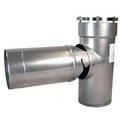


3 inch Z-Flex venting and accessories cover the flexible liner, connector, and fitting components used to vent gas, oil, and other appliances through an existing chimney or wall penetration at the 3-inch size. Z-Flex manufactures its liners from stainless steel and aluminum, spirally wound and mechanically joined into a corrugated construction that gives the liner flexibility for routing through bends and offsets while keeping the joint air-tight.
Contractors specify this size and product line when venting smaller residential appliances like water heaters, boilers, and furnaces that call for a 3-inch flue connection, and the flexible construction lets the liner navigate a chimney's existing twists without requiring a straight, unobstructed shaft. Matching the liner material and connector accessories correctly is what keeps a venting system both code-compliant and airtight over its service life.
Subcategories
- 3 Inch Stainless Steel Liners: Stainless steel liner sections handle higher-temperature and acid-resistant venting needs, common on oil-fired appliances and some gas applications where flue gas condensate is more corrosive. The corrugated stainless construction maintains flexibility for routing through chimney offsets.
- 3 Inch Aluminum Liners: Aluminum liner sections are a lighter-weight option typically used with gas appliances where flue gas temperatures and corrosivity are lower than oil-fired equipment. The same spirally wound corrugated design gives flexibility while keeping the joint sealed.
- Connectors & Adapters: Connectors and adapters join liner sections to each other or transition to an appliance's flue collar, ensuring a continuous sealed path from appliance to termination. Matching connector size and material to the liner is necessary to maintain the airtight seal the system depends on.
- Termination Caps & Accessories: Termination caps, rain caps, and related accessories finish the top of the venting run, keeping precipitation and debris out while allowing flue gas to exhaust properly. Selecting the correct termination style depends on the appliance type and local code requirements for clearance and draft.
Buying Guide
Choosing between stainless steel and aluminum 3 inch Z-Flex venting components starts with the appliance fuel type. Oil-fired equipment and some higher-efficiency gas appliances produce more corrosive flue condensate, which points toward stainless steel for long-term durability, while standard gas appliances often work fine with the lighter aluminum option.
Liner length needs to account for the full run from appliance connection to termination, including any offsets or bends the chimney requires; ordering short leaves a gap that has to be patched with additional connectors rather than a clean continuous run.
All connectors, adapters, and termination accessories in the run should come from a matched product line rather than mixing brands or materials, since a mismatched seal at any joint compromises the whole system's airtightness and can allow flue gas to leak into living space.
Local and manufacturer code requirements govern clearance to combustibles and termination placement relative to windows, doors, and air intakes; checking these requirements before finalizing a venting plan avoids a failed inspection.
For appliances being converted from an older venting material, confirm the appliance manufacturer's approval for 3 inch Z-Flex venting specifically, since flue sizing and material compatibility both affect the appliance's warranty and safe operation.
Frequently Asked Questions
When should stainless steel liner be used instead of aluminum?
Stainless steel is the better choice for oil-fired appliances and higher-efficiency gas equipment where flue gas condensate is more acidic and corrosive. Standard gas appliances with less corrosive exhaust often work well with the lighter aluminum option.
Can 3 inch Z-Flex liner be routed through a chimney with bends?
Yes, the corrugated, spirally wound construction is designed for flexibility, allowing the liner to route through chimney offsets and bends while keeping the joints sealed and airtight.
Do all the connectors and fittings need to match the liner brand?
Keeping connectors, adapters, and termination accessories within the same matched product line is important because a mismatched joint at any connection point can compromise the airtight seal the entire venting run depends on.
What is the liner size based on?
Liner size is determined by the appliance's flue collar size and the manufacturer's venting requirements. A 3-inch liner matches appliances specifically calling for a 3-inch flue connection, and installing an incorrectly sized liner can affect draft and appliance performance.
What does the termination cap do at the top of the vent run?
The termination cap keeps rain and debris out of the venting system while still allowing flue gas to exhaust freely. Choosing the correct termination style for the appliance type and following local clearance requirements are both part of a code-compliant installation.
