




Filters
SORT
Product Availability –
Review Score –
 --%3E %3Csvg version='1.1' id='Fill' xmlns='http://www.w3.org/2000/svg' xmlns:xlink='http://www.w3.org/1999/xlink' x='0px' y='0px' viewBox='0 0 100 100' enable-background='new 0 0 100 100' xml:space='preserve'%3E %3Cpath fill='%23F15C02' d='M79.44,0.95H20.56C9.78,0.95,0.95,9.78,0.95,20.56v58.87c0,10.79,8.82,19.61,19.61,19.61h58.87 c10.79,0,19.61-8.83,19.61-19.61V20.56C99.05,9.78,90.22,0.95,79.44,0.95z M65.38,58.24l9.38,29.58L49.69,69.78L24.5,87.82 l9.34-29.6L8.8,39.6l30.73-0.17c0,0,6.98-19.61,10-28.93c0.54,1.36,9.88,29.1,9.88,29.1H91.2L65.38,58.24z'/%3E %3C/svg%3E)
 --%3E %3Csvg version='1.1' id='With-RB' xmlns='http://www.w3.org/2000/svg' xmlns:xlink='http://www.w3.org/1999/xlink' x='0px' y='0px' viewBox='0 0 100 100' enable-background='new 0 0 100 100' xml:space='preserve'%3E %3Cpath fill='%23FBC8B4' d='M79.44,0.95H20.56C9.78,0.95,0.95,9.78,0.95,20.56v58.87c0,10.79,8.82,19.61,19.61,19.61h58.87 c10.79,0,19.61-8.83,19.61-19.61V20.56C99.05,9.78,90.22,0.95,79.44,0.95z M65.38,58.24l9.38,29.58L49.69,69.78L24.5,87.82 l9.34-29.6L8.8,39.6l30.73-0.17c0,0,6.98-19.61,10-28.93c0.54,1.36,9.88,29.1,9.88,29.1H91.2L65.38,58.24z'/%3E %3C/svg%3E)
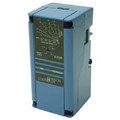
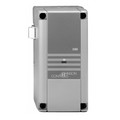
A350 Temperature Controls

 --%3E %3Csvg version='1.1' id='Half' xmlns='http://www.w3.org/2000/svg' xmlns:xlink='http://www.w3.org/1999/xlink' x='0px' y='0px' viewBox='0 0 100 100' enable-background='new 0 0 100 100' xml:space='preserve'%3E %3Cg%3E %3Cpath fill='%23F15C02' d='M30.05,70.23l3.79-12.01L8.8,39.6l30.73-0.17c0,0,6.98-19.61,10-28.93c0.54,1.36,9.88,29.1,9.88,29.1h1.58 L93.71,7.18c-3.58-3.82-8.66-6.23-14.28-6.23H20.56C9.78,0.95,0.95,9.78,0.95,20.56v58.87c0,5.41,2.22,10.32,5.79,13.88 L30.05,70.23z'/%3E %3C/g%3E %3Cpath fill='%23FBC8B4' d='M93.71,7.18L60.98,39.6H91.2L65.38,58.24l9.38,29.58L49.69,69.78L24.5,87.82l5.55-17.59L6.75,93.32 c3.55,3.54,8.44,5.73,13.82,5.73h58.87c10.79,0,19.61-8.83,19.61-19.61V20.56C99.05,15.4,97.01,10.69,93.71,7.18z'/%3E %3C/svg%3E)
 --%3E %3Csvg version='1.1' id='No-RB' xmlns='http://www.w3.org/2000/svg' xmlns:xlink='http://www.w3.org/1999/xlink' x='0px' y='0px' viewBox='0 0 100 100' enable-background='new 0 0 100 100' xml:space='preserve'%3E %3Cpath fill='%23CECECE' d='M79.44,0.95H20.56C9.78,0.95,0.95,9.78,0.95,20.56v58.87c0,10.79,8.82,19.61,19.61,19.61h58.87 c10.79,0,19.61-8.83,19.61-19.61V20.56C99.05,9.78,90.22,0.95,79.44,0.95z M65.38,58.24l9.38,29.58L49.69,69.78L24.5,87.82 l9.34-29.6L8.8,39.6l30.73-0.17c0,0,6.98-19.61,10-28.93c0.54,1.36,9.88,29.1,9.88,29.1H91.2L65.38,58.24z'/%3E %3C/svg%3E)


A350 temperature controls are aquastat-style controllers used to regulate water temperature in residential and light commercial heating systems, most often mounted directly on a boiler or water heater tankless coil. HVAC and plumbing technicians install these controls to maintain a set water temperature range, cycling the burner or circulator on and off as the system calls for heat. A well strap or immersion well positions the sensing element directly in the water stream for accurate temperature reading rather than relying on surface-mounted sensing. Technicians replace an existing control with an A350 model most often during a boiler service call where the original aquastat has failed or is sticking at a fixed setting. Matching the control's temperature range and switching function to the system's original design keeps the heating system operating the way it was designed rather than introducing a new control strategy mid-repair.
Subcategories
- Single Stage Temperature Controls: Single stage A350 controls manage one switching function, typically cycling a burner or circulator at a single set temperature range. Technicians specify this type for simple heating systems without a separate domestic hot water tie-in or multiple heating zones. A single adjustable dial sets the desired temperature range directly on the control body. Straightforward wiring makes single stage controls a common choice for a like-for-like swap on an older system.
- Combination High Limit and Circulator Controls: Combination controls handle both a high limit safety cutoff and circulator switching in one control body, reducing the number of separate devices mounted on the boiler. Technicians use these on systems that previously relied on two separate controls for the same functions. Consolidating both functions into one control simplifies wiring and reduces the number of components that can fail independently. Confirming both the high limit setting and circulator switching range match the system's original design is necessary during installation.
- Replacement and Cross-Reference Controls: Replacement controls cover situations where the original manufacturer's exact control is discontinued or unavailable, requiring a cross-referenced equivalent instead. Technicians rely on cross-reference guides to match well size, temperature range, and switching function between the original and replacement control. Confirming the immersion well threads and depth match the replacement control's sensing bulb prevents a poor fit inside the existing well. Keeping the original control's model number on hand speeds up finding a correct cross-reference match.
Buying Guide
Selecting the right temperature control starts with identifying the switching function the system actually needs. Single stage controls handle one function, like straightforward burner or circulator cycling, while combination controls add a high limit safety cutoff alongside circulator switching in one unit. Matching that function to the system's original design keeps the repair from introducing an unintended change to how the boiler operates. Immersion well compatibility is just as important as the control's electrical function. The sensing bulb and well strap need to match the existing well's threads and depth, since a control that does not seat correctly in the well will read water temperature inaccurately. Temperature range matters too, and confirming the adjustable range on a replacement A350 Temperature Controls unit covers the system's designed setpoint prevents having to compromise on temperature settings after installation. On older systems where the exact original control is no longer available, a cross-reference guide helps match well size, switching function, and temperature range to a current equivalent. Technicians should verify wiring terminal compatibility as well, since some replacement controls use a different terminal layout than the original even when the core function matches. Confirming switching function, well fit, temperature range, and wiring compatibility together before ordering avoids a mismatched control showing up on a service call where the truck stock does not include a backup option.
Frequently Asked Questions
How do I know if I need a single stage or combination control?
Check whether the existing system relies on separate controls for high limit safety and circulator switching, or a single control for one function. Matching the replacement to the original setup keeps the system operating the way it was designed.
Does the immersion well need to match the new control exactly?
Yes. The sensing bulb and well strap need to fit the existing well's threads and depth, since a poor fit leads to an inaccurate temperature reading even if the electrical function is correct.
What if the original control is no longer available?
A cross-reference guide can help match well size, switching function, and temperature range to a current equivalent control. Keeping the original model number on hand speeds up finding the right match.
Do all replacement controls use the same wiring terminals as the original?
Not always. Some replacement controls use a different terminal layout even when the core switching function matches, so checking wiring compatibility before installation avoids a rewiring surprise on the job.
Can one control handle both high limit safety and circulator switching?
Yes, combination controls handle both functions in a single body, which reduces the number of separate devices mounted on the boiler and simplifies wiring compared to two individual controls.
