




Filters
SORT
Product Availability –
Capacity (Gallons) –
Height (Inches) –
Diameter (Inches) –
Review Score –
 --%3E %3Csvg version='1.1' id='Fill' xmlns='http://www.w3.org/2000/svg' xmlns:xlink='http://www.w3.org/1999/xlink' x='0px' y='0px' viewBox='0 0 100 100' enable-background='new 0 0 100 100' xml:space='preserve'%3E %3Cpath fill='%23F15C02' d='M79.44,0.95H20.56C9.78,0.95,0.95,9.78,0.95,20.56v58.87c0,10.79,8.82,19.61,19.61,19.61h58.87 c10.79,0,19.61-8.83,19.61-19.61V20.56C99.05,9.78,90.22,0.95,79.44,0.95z M65.38,58.24l9.38,29.58L49.69,69.78L24.5,87.82 l9.34-29.6L8.8,39.6l30.73-0.17c0,0,6.98-19.61,10-28.93c0.54,1.36,9.88,29.1,9.88,29.1H91.2L65.38,58.24z'/%3E %3C/svg%3E)
Price Range –
AO Smith Dura-Power (DEN,DEL) Electric Water Heaters


 --%3E %3Csvg version='1.1' id='No-RB' xmlns='http://www.w3.org/2000/svg' xmlns:xlink='http://www.w3.org/1999/xlink' x='0px' y='0px' viewBox='0 0 100 100' enable-background='new 0 0 100 100' xml:space='preserve'%3E %3Cpath fill='%23CECECE' d='M79.44,0.95H20.56C9.78,0.95,0.95,9.78,0.95,20.56v58.87c0,10.79,8.82,19.61,19.61,19.61h58.87 c10.79,0,19.61-8.83,19.61-19.61V20.56C99.05,9.78,90.22,0.95,79.44,0.95z M65.38,58.24l9.38,29.58L49.69,69.78L24.5,87.82 l9.34-29.6L8.8,39.6l30.73-0.17c0,0,6.98-19.61,10-28.93c0.54,1.36,9.88,29.1,9.88,29.1H91.2L65.38,58.24z'/%3E %3C/svg%3E)
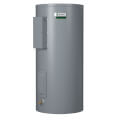
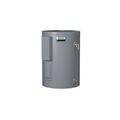

AO Smith Dura-Power (DEN,DEL) Electric Water Heaters are a residential electric tank water heater line built for straightforward replacement installations where a standard electric-resistance unit fits the existing space and electrical service. The DEN and DEL model designations cover different tank capacities and configurations within the same product family, giving plumbers a range of sizing options for single-family homes, apartments, and smaller multi-family properties. Like most residential electric water heaters, these units rely on upper and lower heating elements paired with dedicated thermostats to bring stored water up to the temperature set by the homeowner. Because the line is positioned as a dependable, no-frills replacement option rather than a premium high-recovery model, it's a common spec for straight tank swaps where matching the existing footprint and electrical connection matters more than added features.
Subcategories
- Standard Capacity Models: Standard capacity models cover the tank sizes most commonly installed in single-family homes, sized to match typical household hot water demand without oversizing the unit or the space it occupies. These are the most frequently replaced configuration in the DEN/DEL lineup. Matching tank capacity to the household's fixture count and simultaneous demand keeps recovery time reasonable without paying for unused capacity.
- Compact and Space-Saving Models: Compact models fit installations with limited closet or utility space, such as older homes or apartment units where a full-size tank won't clear the existing footprint. These models typically trade some capacity for a smaller diameter or shorter height. Confirming clearance dimensions against the installation space before ordering avoids a unit that won't fit through the doorway or existing alcove.
- Heating Elements and Thermostats: Upper and lower heating elements along with their paired thermostats are the most commonly replaced service parts on this water heater line, since elements gradually fail from mineral scale buildup in hard water areas. Matching wattage and voltage to the original element keeps recovery time and energy use consistent with the unit's original rating. Thermostats are typically replaced alongside the element they control.
- Anode Rods and Tank Protection Parts: Anode rods sacrifice themselves to corrosion in place of the tank's steel lining, and replacing a depleted rod on schedule is one of the most effective ways to extend a tank's service life. Water quality has a major effect on how quickly an anode rod wears down, with softened or aggressive water typically consuming rods faster than untreated municipal supply. Checking rod condition during routine service calls catches depletion before it starts affecting the tank itself.
Buying Guide
Sizing an AO Smith Dura-Power (DEN,DEL) Electric Water Heater starts with matching tank capacity to the household's peak hot water demand, factoring in the number of bathrooms, appliances, and typical simultaneous usage rather than just the number of occupants. An undersized tank leads to recovery complaints during high-demand periods, while an oversized tank adds standby energy loss without meaningful benefit.
Physical clearance is the next major consideration, particularly in replacement installations where the new unit needs to fit the existing space, doorway, and connection points without modification. Checking height, diameter, and connection locations against the installation site before ordering avoids a return trip for an exchange.
Electrical service needs to support the unit's element wattage and voltage requirements, and this is worth confirming on any replacement job rather than assuming the existing circuit matches the new unit's draw. Some replacement scenarios call for reviewing the breaker size and wire gauge feeding the water heater location, especially in older homes.
Water quality in the installation area affects long-term component life more than most homeowners realize. Hard water accelerates anode rod depletion and can shorten heating element life through scale buildup, so properties on well water or known hard water supply may benefit from more frequent anode inspection intervals than the standard replacement schedule.
Frequently Asked Questions
What's the difference between the DEN and DEL model designations?
The DEN and DEL designations distinguish different configurations or capacities within the same Dura-Power product family, giving installers sizing flexibility for different household needs. Checking the specific model number against the installation's space and demand requirements confirms the right fit within the line.
How do I know if a heating element or a thermostat has failed?
A tank that produces some hot water but runs out quickly often points to a failed upper or lower element, while a tank with no hot water at all, or water that's too hot, more often points to a thermostat issue. Testing each element and thermostat individually confirms which component needs replacement.
How often should the anode rod be checked or replaced?
Anode rod life varies significantly with water quality, with hard water or softened water systems typically depleting rods faster than untreated municipal supply. Checking rod condition every few years, or sooner in known hard water areas, helps catch depletion before it starts affecting the tank's steel lining.
Can this water heater line be installed as a direct replacement for an existing electric tank?
In most cases, yes, provided the new unit's capacity, physical dimensions, and electrical requirements are matched to the existing installation. Confirming clearance and connection locations against the specific DEN or DEL model selected avoids complications during a straight swap.
What causes reduced hot water capacity over time on an electric tank water heater?
Scale buildup on heating elements from hard water is a common cause, since it insulates the element and reduces heat transfer efficiency into the tank. Sediment accumulation at the bottom of the tank can also reduce effective capacity, which is why periodic tank flushing is part of standard maintenance.
