




Filters
SORT
Product Availability –
Review Score –
 --%3E %3Csvg version='1.1' id='Fill' xmlns='http://www.w3.org/2000/svg' xmlns:xlink='http://www.w3.org/1999/xlink' x='0px' y='0px' viewBox='0 0 100 100' enable-background='new 0 0 100 100' xml:space='preserve'%3E %3Cpath fill='%23F15C02' d='M79.44,0.95H20.56C9.78,0.95,0.95,9.78,0.95,20.56v58.87c0,10.79,8.82,19.61,19.61,19.61h58.87 c10.79,0,19.61-8.83,19.61-19.61V20.56C99.05,9.78,90.22,0.95,79.44,0.95z M65.38,58.24l9.38,29.58L49.69,69.78L24.5,87.82 l9.34-29.6L8.8,39.6l30.73-0.17c0,0,6.98-19.61,10-28.93c0.54,1.36,9.88,29.1,9.88,29.1H91.2L65.38,58.24z'/%3E %3C/svg%3E)
Armstrong Air Transformers

 --%3E %3Csvg version='1.1' id='Half' xmlns='http://www.w3.org/2000/svg' xmlns:xlink='http://www.w3.org/1999/xlink' x='0px' y='0px' viewBox='0 0 100 100' enable-background='new 0 0 100 100' xml:space='preserve'%3E %3Cg%3E %3Cpath fill='%23F15C02' d='M30.05,70.23l3.79-12.01L8.8,39.6l30.73-0.17c0,0,6.98-19.61,10-28.93c0.54,1.36,9.88,29.1,9.88,29.1h1.58 L93.71,7.18c-3.58-3.82-8.66-6.23-14.28-6.23H20.56C9.78,0.95,0.95,9.78,0.95,20.56v58.87c0,5.41,2.22,10.32,5.79,13.88 L30.05,70.23z'/%3E %3C/g%3E %3Cpath fill='%23FBC8B4' d='M93.71,7.18L60.98,39.6H91.2L65.38,58.24l9.38,29.58L49.69,69.78L24.5,87.82l5.55-17.59L6.75,93.32 c3.55,3.54,8.44,5.73,13.82,5.73h58.87c10.79,0,19.61-8.83,19.61-19.61V20.56C99.05,15.4,97.01,10.69,93.71,7.18z'/%3E %3C/svg%3E)


 --%3E %3Csvg version='1.1' id='No-RB' xmlns='http://www.w3.org/2000/svg' xmlns:xlink='http://www.w3.org/1999/xlink' x='0px' y='0px' viewBox='0 0 100 100' enable-background='new 0 0 100 100' xml:space='preserve'%3E %3Cpath fill='%23CECECE' d='M79.44,0.95H20.56C9.78,0.95,0.95,9.78,0.95,20.56v58.87c0,10.79,8.82,19.61,19.61,19.61h58.87 c10.79,0,19.61-8.83,19.61-19.61V20.56C99.05,9.78,90.22,0.95,79.44,0.95z M65.38,58.24l9.38,29.58L49.69,69.78L24.5,87.82 l9.34-29.6L8.8,39.6l30.73-0.17c0,0,6.98-19.61,10-28.93c0.54,1.36,9.88,29.1,9.88,29.1H91.2L65.38,58.24z'/%3E %3C/svg%3E)

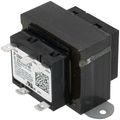
Armstrong Air Transformers are step-down electrical components that convert line voltage down to the lower control voltage furnaces, air handlers, and thermostats run on. HVAC technicians replace them when a system loses control power, a common failure point after a lightning strike, a short in the low-voltage wiring, or years of ordinary wear on the windings. Matching the replacement transformer to the original unit's voltage output and VA rating keeps the rest of the control circuit, relays, gas valves, thermostats, working the way the equipment was designed to run. Because Armstrong Air builds furnaces and air handlers under shared platforms with other Allied Air brands, transformers from this line often cross over to related equipment as well. Technicians typically pull the old transformer's part number or check the failure symptoms against a wiring diagram before ordering, since a mismatch in voltage or capacity can trip a breaker or leave the control board without enough power.
Subcategories
- 40 VA Transformers: 40 VA transformers cover the control load on most single-stage residential furnaces and air handlers, powering the thermostat circuit, relays, and a gas valve or two without additional draw. Technicians reach for this rating on straightforward replacement calls where the original equipment used a single-stage control board. It's the most commonly stocked rating on a service truck because it fits the largest share of residential equipment. Confirming the failed unit's rating before swapping in a 40 VA replacement still matters, since some systems draw more.
- 75 VA Transformers: 75 VA transformers supply additional capacity for systems with a heavier control load, such as multi-stage furnaces, humidifiers, or add-on accessories wired into the low-voltage circuit. Installers use this rating when a 40 VA transformer keeps failing on the same system, which usually signals the control load exceeds what the smaller transformer can handle. Communicating or variable-speed equipment often specifies this higher rating from the factory. Checking the equipment's wiring diagram confirms whether 75 VA is the correct replacement rating.
- Multi-Tap Transformers: Multi-tap transformers offer more than one primary voltage connection, letting a single part serve equipment wired for different incoming line voltages. This flexibility helps a technician stock fewer part numbers while still covering a range of equipment on their route. Selecting the correct tap during installation is critical, since connecting to the wrong primary voltage tap can damage the transformer or the control board it feeds. Wiring diagrams and labeling on the transformer itself identify which tap corresponds to which voltage.
Buying Guide
Selecting the right Armstrong Air Transformers replacement starts with the failed unit's rated output and VA capacity, both usually printed on the transformer housing or listed in the equipment's wiring diagram. Matching output voltage first is non-negotiable, since a mismatch can damage a control board almost immediately after power-up. VA capacity comes next: undersizing a transformer for a system with a heavy control load, multiple relays, a humidifier, an add-on accessory, causes nuisance failures that look like a bad part but are really a mismatch. Technicians troubleshooting a recurring transformer failure should tally every low-voltage load on the circuit before choosing a replacement rating, since a system that keeps burning out 40 VA transformers may actually need the 75 VA option. Mounting style matters too: some transformers bolt directly to a furnace's blower deck while others hang from wire leads, so confirming physical fit avoids a return trip for a different mounting configuration. Stocking a small range of Armstrong Air Transformers, split between the common 40 VA rating and a 75 VA option for heavier systems, covers the bulk of service calls without overloading a truck's inventory. Keeping a multi-tap option on hand also helps on jobs where the incoming line voltage isn't confirmed until arrival.
Frequently Asked Questions
What causes an Armstrong Air Transformer to fail?
Transformers commonly fail from a short circuit somewhere in the low-voltage wiring, a lightning strike or power surge, or simple age-related winding failure. A short elsewhere in the system will often burn out a replacement transformer again shortly after installation, so tracing the wiring for shorts before swapping the part saves a callback.
How do I know if I need a 40 VA or 75 VA transformer?
The original transformer's rating is usually printed on its housing, and the equipment's wiring diagram lists the required VA capacity as well. A system with a humidifier, multiple relays, or multi-stage controls typically needs the higher 75 VA rating rather than the standard 40 VA unit.
Can a multi-tap transformer replace a single-voltage transformer?
Yes, as long as the correct tap is wired to match the incoming line voltage. Multi-tap transformers give a technician flexibility to stock one part for several voltage configurations, but wiring the wrong tap can damage the unit or the control board it feeds.
Will a mismatched transformer damage the control board?
A transformer with the wrong output voltage can send too much or too little power to the control board, which can damage the board almost immediately or cause intermittent failures. Confirming voltage output before installation protects the rest of the low-voltage circuit.
Why does a transformer keep failing on the same system?
Repeated transformer failures usually point to either an undersized VA rating for the system's control load or a short circuit elsewhere in the low-voltage wiring that keeps overloading each replacement. Tallying every relay, gas valve, and accessory on the circuit helps confirm whether a higher-capacity transformer is the actual fix.
