




Arzel Dampers
Arzel dampers are motorized and manual airflow control devices used in zoned forced-air HVAC systems, directing conditioned air to specific ducts based on signals from a zoning panel. They let one furnace or air handler serve multiple zones with independent temperature control, so a system doesn't have to condition an entire building for a single thermostat call.
Arzel's lineup spans several damper styles built for different installation scenarios. These range from full modulating dampers designed for precise airflow balancing to slide-in dampers meant for retrofitting existing ductwork without a full rebuild. Matching the damper style to both the ductwork and the zoning control system keeps airflow balanced across zones and helps avoid strain on the blower.
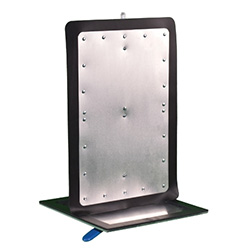
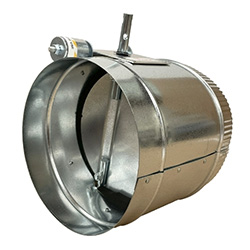
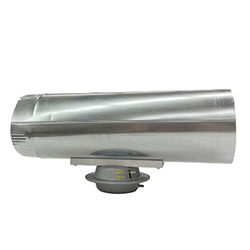
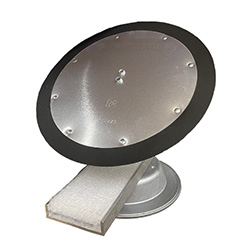
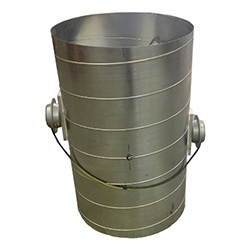
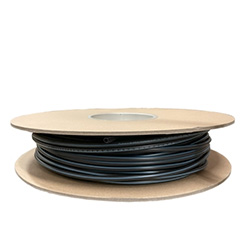

Subcategories
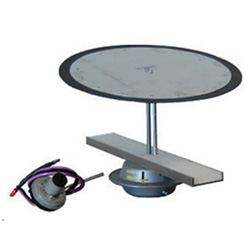
- Arzel BalancePro Dampers: BalancePro dampers are designed to work with Arzel's balancing control system, which adjusts airflow across zones to maintain consistent static pressure as different zones open and close. This style is typically specified on systems where balanced airflow across multiple zones is a priority, rather than simple on-off zone control. It pairs with Arzel's own zoning panel for coordinated operation.
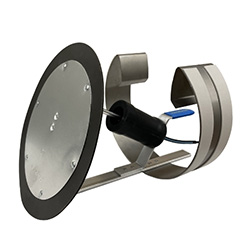
- Arzel Barometric Dampers: Barometric dampers respond passively to pressure differences in the duct system rather than being driven by an electric motor. They open or close based on static pressure changes as other zones operate. They're often used as a simpler, lower-cost way to manage excess pressure in a zoned system compared to a fully motorized bypass damper. Contractors choose them when a project's zoning design calls for passive pressure relief rather than active control.
- Arzel Commercial Dampers: Commercial dampers are built for larger duct sizes and higher airflow volumes typical of commercial forced-air systems, rather than the smaller residential duct diameters common in home zoning. They're constructed to handle the increased demands of commercial-scale HVAC equipment. This style is specified when a zoning project moves beyond typical residential-sized ductwork.
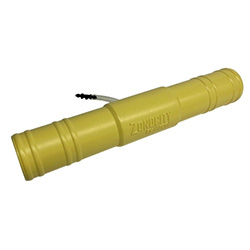
- Arzel Damper Parts and Accessories: This category covers replacement components and accessories for existing Arzel dampers, including parts needed for repair or maintenance rather than a full damper replacement. Technicians servicing an existing Arzel zoning system often need these parts to keep dampers operating without replacing the entire unit. Matching the part to the specific damper model already installed is necessary since components vary across Arzel's damper lines.
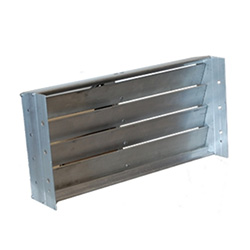
- Arzel EzySlide Dampers: EzySlide dampers are designed for straightforward retrofit installation, sliding into an existing duct opening without requiring extensive modification to the ductwork. This makes them a practical choice for adding zoning to a system that wasn't originally designed with it. The slide-in design reduces installation time compared to dampers that require a full inline duct section replacement.
- Arzel FACT Fresh Air Control Dampers: FACT dampers manage the introduction of outside air into a forced-air system as part of a ventilation strategy, working alongside the zoning system rather than controlling temperature zones directly. They're specified on jobs where a ventilation or indoor air quality requirement calls for metered fresh air intake. This style integrates with Arzel's broader control system for coordinated operation with the rest of the zoning setup.
Buying Guide
Selecting an Arzel damper starts with confirming compatibility with the zoning control panel already installed or specified for the job. Arzel's damper styles are built to integrate with the company's own control systems. Mixing components from different zoning manufacturers can create signal or timing mismatches between the damper and the panel.
Installation method is a major factor for retrofit work. A slide-in style like the EzySlide damper reduces disruption to existing ductwork compared to a damper that requires cutting out and replacing a full duct section. This matters on jobs in occupied buildings where minimizing downtime is a priority.
Pressure management needs to be part of the zoning design from the start. A barometric damper offers a passive, lower-cost approach to relieving excess static pressure. A fully motorized balancing system like BalancePro provides more precise control across multiple zones. The choice depends on how tightly the system needs to be balanced.
Duct size and airflow volume determine whether a residential-scale damper is sufficient or whether the commercial-duty line is needed. Commercial-scale ductwork and higher airflow demands call for dampers built to handle that increased load rather than standard residential sizing.
Keeping a stock of common replacement parts on hand makes sense for contractors regularly servicing existing Arzel zoning systems. Matching a specific damper model to the correct replacement component is easier when the part is identified before a service call rather than during one.
Frequently Asked Questions
What's the difference between a barometric damper and a motorized damper?
A barometric damper responds passively to pressure changes in the duct system without an electric motor. A motorized damper is actively driven by a signal from the zoning control panel. Barometric dampers are typically a simpler, lower-cost way to manage pressure.
Is the EzySlide damper suitable for new construction?
It can be used in new construction, but its slide-in design is primarily intended to simplify retrofitting zoning into existing ductwork. In new builds, a standard inline damper is often the more typical choice.
Do Arzel commercial dampers work with residential zoning panels?
Compatibility depends on the specific control system and airflow requirements involved. Commercial dampers are sized for larger duct volumes, so the control system needs to be matched accordingly rather than assumed to be interchangeable with residential setups.
What does the FACT damper control in a zoned system?
It manages the intake of outside air for ventilation purposes rather than directing conditioned air between temperature zones. It works alongside the zoning system but serves a separate ventilation function.
How is a replacement part matched to an existing Arzel damper?
The specific damper model already installed needs to be identified first, since Arzel's parts and accessories vary across its different damper lines. Checking the model before ordering avoids receiving an incompatible part.
Resources
Subcategories
- Arzel BalancePro Dampers: BalancePro dampers are designed to work with Arzel's balancing control system, which adjusts airflow across zones to maintain consistent static pressure as different zones open and close. This style is typically specified on systems where balanced airflow across multiple zones is a priority, rather than simple on-off zone control. It pairs with Arzel's own zoning panel for coordinated operation.
- Arzel Barometric Dampers: Barometric dampers respond passively to pressure differences in the duct system rather than being driven by an electric motor. They open or close based on static pressure changes as other zones operate. They're often used as a simpler, lower-cost way to manage excess pressure in a zoned system compared to a fully motorized bypass damper. Contractors choose them when a project's zoning design calls for passive pressure relief rather than active control.
- Arzel Commercial Dampers: Commercial dampers are built for larger duct sizes and higher airflow volumes typical of commercial forced-air systems, rather than the smaller residential duct diameters common in home zoning. They're constructed to handle the increased demands of commercial-scale HVAC equipment. This style is specified when a zoning project moves beyond typical residential-sized ductwork.
- Arzel Damper Parts and Accessories: This category covers replacement components and accessories for existing Arzel dampers, including parts needed for repair or maintenance rather than a full damper replacement. Technicians servicing an existing Arzel zoning system often need these parts to keep dampers operating without replacing the entire unit. Matching the part to the specific damper model already installed is necessary since components vary across Arzel's damper lines.
- Arzel EzySlide Dampers: EzySlide dampers are designed for straightforward retrofit installation, sliding into an existing duct opening without requiring extensive modification to the ductwork. This makes them a practical choice for adding zoning to a system that wasn't originally designed with it. The slide-in design reduces installation time compared to dampers that require a full inline duct section replacement.
- Arzel FACT Fresh Air Control Dampers: FACT dampers manage the introduction of outside air into a forced-air system as part of a ventilation strategy, working alongside the zoning system rather than controlling temperature zones directly. They're specified on jobs where a ventilation or indoor air quality requirement calls for metered fresh air intake. This style integrates with Arzel's broader control system for coordinated operation with the rest of the zoning setup.
Buying Guide
Selecting an Arzel damper starts with confirming compatibility with the zoning control panel already installed or specified for the job. Arzel's damper styles are built to integrate with the company's own control systems. Mixing components from different zoning manufacturers can create signal or timing mismatches between the damper and the panel.
Installation method is a major factor for retrofit work. A slide-in style like the EzySlide damper reduces disruption to existing ductwork compared to a damper that requires cutting out and replacing a full duct section. This matters on jobs in occupied buildings where minimizing downtime is a priority.
Pressure management needs to be part of the zoning design from the start. A barometric damper offers a passive, lower-cost approach to relieving excess static pressure. A fully motorized balancing system like BalancePro provides more precise control across multiple zones. The choice depends on how tightly the system needs to be balanced.
Duct size and airflow volume determine whether a residential-scale damper is sufficient or whether the commercial-duty line is needed. Commercial-scale ductwork and higher airflow demands call for dampers built to handle that increased load rather than standard residential sizing.
Keeping a stock of common replacement parts on hand makes sense for contractors regularly servicing existing Arzel zoning systems. Matching a specific damper model to the correct replacement component is easier when the part is identified before a service call rather than during one.
Frequently Asked Questions
What's the difference between a barometric damper and a motorized damper?
A barometric damper responds passively to pressure changes in the duct system without an electric motor. A motorized damper is actively driven by a signal from the zoning control panel. Barometric dampers are typically a simpler, lower-cost way to manage pressure.
Is the EzySlide damper suitable for new construction?
It can be used in new construction, but its slide-in design is primarily intended to simplify retrofitting zoning into existing ductwork. In new builds, a standard inline damper is often the more typical choice.
Do Arzel commercial dampers work with residential zoning panels?
Compatibility depends on the specific control system and airflow requirements involved. Commercial dampers are sized for larger duct volumes, so the control system needs to be matched accordingly rather than assumed to be interchangeable with residential setups.
What does the FACT damper control in a zoned system?
It manages the intake of outside air for ventilation purposes rather than directing conditioned air between temperature zones. It works alongside the zoning system but serves a separate ventilation function.
How is a replacement part matched to an existing Arzel damper?
The specific damper model already installed needs to be identified first, since Arzel's parts and accessories vary across its different damper lines. Checking the model before ordering avoids receiving an incompatible part.