




HVAC Zone Dampers
Motorized dampers rely on an actuator to open and close the blade in response to a thermostat or zone control signal, and the actuator brand often needs to match the damper it drives for proper fit and voltage compatibility. Contractors working on multi-zone HVAC systems specify actuators and valves from the same manufacturer across a project to simplify wiring and future service calls.
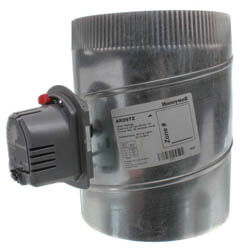

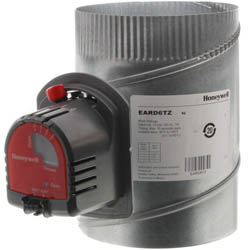
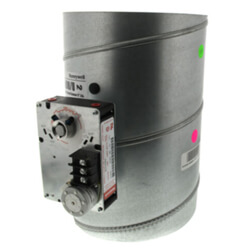
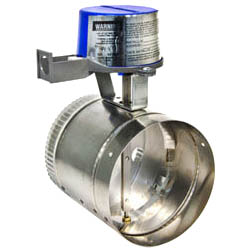
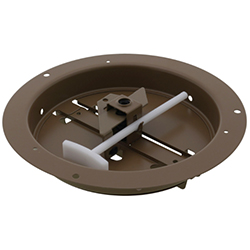
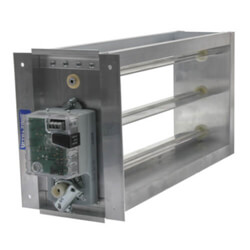

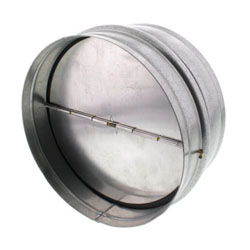
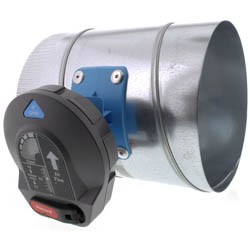

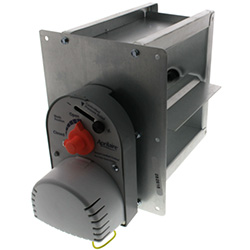
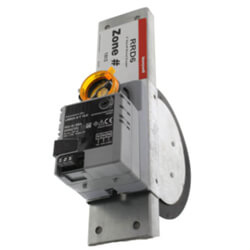
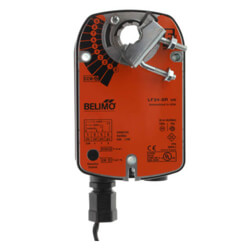


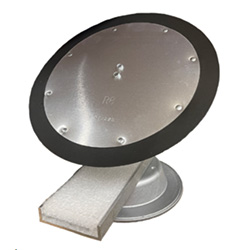
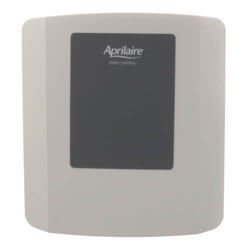
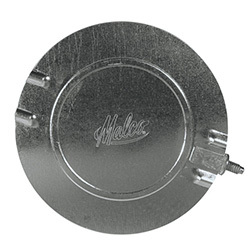

We offer a range of Honeywell Home, Hart & Cooley and EWC dampers, which are available in variety of models.
The Honeywell Home automatic round damper is a single blade damper that uses a motor to control the volume of circulating air in heating, cooling and vent systems.
The Honeywell Home fresh air round damper features a motorized single blade damper used for fresh air intake.
The Honeywell Home modulating automatic round damper has a floating-control type modulating motor for bypass and zone damper control.
Honeywell Home retrofit round dampers fit into rigid round ducts for retrofit zoning in forced air and heating systems and allow multiple dampers to operate under a single zone.
The Honeywell Home ZD damper is a power close and spring open damper. These dampers are available with square or rectangular parallel blades. Its 24 volt motor controls the air circulating in HVAC systems and is commonly used when a normally-open damper is required.
Honeywell Home TrueZONE Bypass Dampers (CPRD) are round static pressure relief dampers. They are used in forced-air bypass applications to relieve excess static pressure when some of the zone dampers are closed.
Buying Guide
Selecting a damper starts with deciding between manual and motorized control. A manually adjustable damper suits a zone that only needs occasional balancing, while a motorized damper paired with an actuator fits a system with automated, thermostat-driven zoning.
When a motorized damper is called for, actuator brand and duct hardware need to match, since voltage, spring-return behavior, and mounting hardware vary between manufacturers. Sticking with one control brand across a multi-zone system simplifies wiring during installation and parts sourcing during future service calls.
Duct shape and size determine which damper style fits a given run. Round duct takes a different damper body than rectangular trunk or branch duct, and measuring the exact duct dimensions before ordering avoids a damper that needs field modification to fit.
Vent dampers for gas appliances serve a different purpose than airflow-balancing dampers and need to interlock electrically with the appliance's burner controls. Installing a vent damper without that interlock can leave a chimney or vent blocked while the appliance is firing, so following the appliance manufacturer's wiring instructions for the damper matters as much as the physical installation.
Replacement actuators and valves for an existing zoned system should match the original component's voltage, torque, and control signal type as closely as possible. A mismatched replacement can cause a zone to run slow, fail to fully close, or draw more current than the transformer serving that zone was sized for.
Frequently Asked Questions
What is the difference between a manual and a motorized damper?
A manual damper is adjusted by hand and stays in a fixed position until someone changes it, while a motorized damper connects to an actuator that opens and closes it automatically in response to a thermostat or zone control signal. Motorized dampers fit systems built around automated zoning, while manual dampers work for simple airflow balancing.
Do actuators from different manufacturers work interchangeably?
Actuators generally need to match the damper or valve manufacturer's mounting pattern, voltage, and control signal, so swapping between brands without confirming compatibility can lead to a fit or wiring mismatch. Checking the original system's specifications before ordering a replacement actuator avoids that problem.
How does a vent damper differ from a duct balancing damper?
A vent damper automates the opening and closing of a chimney or vent connector in coordination with a gas appliance's burner cycle, while a duct balancing damper adjusts airflow volume within HVAC ductwork. The two serve different systems and are not interchangeable.
What should I check before replacing a failed zone actuator?
Checking the original actuator's voltage, spring-return type, and control signal against the replacement part keeps the new component compatible with the existing zone wiring and transformer. Matching the mounting pattern to the specific damper or valve body also matters for a proper fit.
How is a damper sized for a specific duct?
Damper sizing follows the duct's exact shape and dimensions, round or rectangular, since the damper body needs to fit the duct opening without gaps that would let air bypass the blade. Measuring the duct carefully before ordering keeps the installation airtight.
Resources
We offer a range of Honeywell Home, Hart & Cooley and EWC dampers, which are available in variety of models.
The Honeywell Home automatic round damper is a single blade damper that uses a motor to control the volume of circulating air in heating, cooling and vent systems.
The Honeywell Home fresh air round damper features a motorized single blade damper used for fresh air intake.
The Honeywell Home modulating automatic round damper has a floating-control type modulating motor for bypass and zone damper control.
Honeywell Home retrofit round dampers fit into rigid round ducts for retrofit zoning in forced air and heating systems and allow multiple dampers to operate under a single zone.
The Honeywell Home ZD damper is a power close and spring open damper. These dampers are available with square or rectangular parallel blades. Its 24 volt motor controls the air circulating in HVAC systems and is commonly used when a normally-open damper is required.
Honeywell Home TrueZONE Bypass Dampers (CPRD) are round static pressure relief dampers. They are used in forced-air bypass applications to relieve excess static pressure when some of the zone dampers are closed.
Buying Guide
Selecting a damper starts with deciding between manual and motorized control. A manually adjustable damper suits a zone that only needs occasional balancing, while a motorized damper paired with an actuator fits a system with automated, thermostat-driven zoning.
When a motorized damper is called for, actuator brand and duct hardware need to match, since voltage, spring-return behavior, and mounting hardware vary between manufacturers. Sticking with one control brand across a multi-zone system simplifies wiring during installation and parts sourcing during future service calls.
Duct shape and size determine which damper style fits a given run. Round duct takes a different damper body than rectangular trunk or branch duct, and measuring the exact duct dimensions before ordering avoids a damper that needs field modification to fit.
Vent dampers for gas appliances serve a different purpose than airflow-balancing dampers and need to interlock electrically with the appliance's burner controls. Installing a vent damper without that interlock can leave a chimney or vent blocked while the appliance is firing, so following the appliance manufacturer's wiring instructions for the damper matters as much as the physical installation.
Replacement actuators and valves for an existing zoned system should match the original component's voltage, torque, and control signal type as closely as possible. A mismatched replacement can cause a zone to run slow, fail to fully close, or draw more current than the transformer serving that zone was sized for.
Frequently Asked Questions
What is the difference between a manual and a motorized damper?
A manual damper is adjusted by hand and stays in a fixed position until someone changes it, while a motorized damper connects to an actuator that opens and closes it automatically in response to a thermostat or zone control signal. Motorized dampers fit systems built around automated zoning, while manual dampers work for simple airflow balancing.
Do actuators from different manufacturers work interchangeably?
Actuators generally need to match the damper or valve manufacturer's mounting pattern, voltage, and control signal, so swapping between brands without confirming compatibility can lead to a fit or wiring mismatch. Checking the original system's specifications before ordering a replacement actuator avoids that problem.
How does a vent damper differ from a duct balancing damper?
A vent damper automates the opening and closing of a chimney or vent connector in coordination with a gas appliance's burner cycle, while a duct balancing damper adjusts airflow volume within HVAC ductwork. The two serve different systems and are not interchangeable.
What should I check before replacing a failed zone actuator?
Checking the original actuator's voltage, spring-return type, and control signal against the replacement part keeps the new component compatible with the existing zone wiring and transformer. Matching the mounting pattern to the specific damper or valve body also matters for a proper fit.
How is a damper sized for a specific duct?
Damper sizing follows the duct's exact shape and dimensions, round or rectangular, since the damper body needs to fit the duct opening without gaps that would let air bypass the blade. Measuring the duct carefully before ordering keeps the installation airtight.