



Bell & Gosset Circulating Pumps
Bell & Gossett pumps circulate water through hydronic heating and cooling systems, with bronze construction built for domestic and potable applications and cast iron models sized for closed-loop heating systems. The Series 60 and Series 90 in-line pumps cover a range of flow and head requirements.
Selecting bronze versus cast iron construction depends on whether the pump handles domestic water or a closed hydronic loop, since bronze resists the corrosion that untreated domestic water can cause. Sizing the pump to the system's flow and head requirements keeps circulation efficient across the piping network.
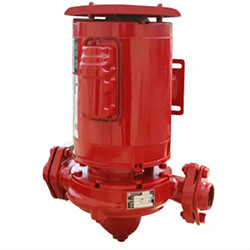

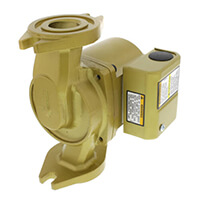
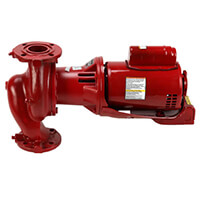


Subcategories
- Bell & Gossett Bronze Pumps: Bell & Gossett bronze pumps are built for domestic hot water recirculation and smaller hydronic zones where the pumped fluid may be potable water. Bronze resists corrosion well in these applications, which is why it's specified whenever the pump could contact domestic water.
- Bell & Gossett Cast Iron Pumps: Bell & Gossett cast iron pumps are used on closed-loop hydronic heating and cooling systems where the circulated fluid is treated water or glycol rather than domestic water. Cast iron construction costs less than bronze and holds up well as long as the loop stays closed and properly treated.
- Bell & Gossett Pump Parts: Bell & Gossett pump parts cover seals, impellers, bearing assemblies, and other service components for existing circulators and in-line pumps. Rebuilding a pump with OEM parts is often more economical than full replacement, particularly on larger in-line models.
- Bell & Gossett Series 60 In-line Pumps: Bell & Gossett Series 60 in-line pumps are designed for commercial and larger residential hydronic systems that need more flow and head than a standard circulator provides. These pumps mount directly in the pipeline and are common on multi-zone commercial heating loops.
- Bell & Gossett Series 90 In-line Pumps: Bell & Gossett Series 90 in-line pumps are a compact in-line design used on commercial hydronic systems where space around the mechanical room is limited. The design keeps a similar flow and head range to comparable models while reducing the pump's footprint.
Buying Guide
Selecting a Bell & Gossett pump starts with the system's flow rate and head requirements, both of which come from the building's heating or cooling load calculation rather than the pump's physical size. Undersizing a pump leaves a zone underheated, while oversizing wastes electricity and can create excess noise or wear.
Body material is the next decision: bronze for any application where the pump could contact domestic water, and cast iron for closed hydronic loops that never mix with potable water. Using a cast iron pump on a domestic water line risks corrosion and contamination over time.
For larger commercial systems, choosing between a standard circulator and an in-line pump like the Series 60 or Series 90 depends on the required flow and head versus the available mounting space. In-line pumps generally handle higher flow and head than typical residential circulators.
When a pump is underperforming rather than fully failed, checking for a worn impeller, a failing seal, or air trapped in the system often resolves the issue without a full replacement. Bell & Gossett pump parts cover most of these common wear items.
Matching voltage, phase, and electrical connection type to the existing wiring avoids additional electrical work during a straightforward pump swap. Confirming the flange or connection size against the existing piping is equally important before ordering a replacement.
Frequently Asked Questions
When should a bronze pump be used instead of cast iron?
Bronze is the right choice whenever the pumped fluid is or could be domestic water, such as on a hot water recirculation line. Cast iron is reserved for closed hydronic loops that never contact potable water.
What's the difference between a circulator and an in-line pump?
A circulator is typically sized for smaller residential zones, while an in-line pump like the Series 60 or Series 90 handles the higher flow and head found on larger commercial systems. Both mount directly in the pipeline, but their capacity ranges differ significantly.
Can a Bell & Gossett pump be rebuilt instead of replaced?
Yes, rebuilding with OEM seal, impeller, and bearing kits is common, especially on larger in-line pumps where a full replacement costs significantly more than a rebuild. Smaller residential circulators are sometimes more cost-effective to replace outright.
What causes a hydronic pump to run noisily?
Air trapped in the system, a worn bearing, or an impeller rubbing against the housing are common causes of pump noise. Bleeding air from the system is usually the first troubleshooting step before assuming a mechanical failure.
How is pump size determined for a hydronic zone?
Pump size comes from the zone's calculated flow rate and the head loss through the piping, fittings, and heat emitters in that loop. Using the building's heating load calculation, rather than matching the old pump's model number, gives a more accurate result when the system has changed since the original installation.
Resources

 --%3E %3C!DOCTYPE svg PUBLIC '-//W3C//DTD SVG 1.1//EN' 'http://www.w3.org/Graphics/SVG/1.1/DTD/svg11.dtd'%3E %3Csvg version='1.1' id='Layer_1' xmlns='http://www.w3.org/2000/svg' xmlns:xlink='http://www.w3.org/1999/xlink' x='0px' y='0px' width='90px' height='90px' viewBox='0 0 90 90' enable-background='new 0 0 90 90' xml:space='preserve'%3E %3Crect x='27' y='23' fill='%23FFFFFF' width='43' height='44'/%3E %3Cg%3E %3Cdefs%3E %3Crect id='SVGID_1_' width='90' height='90'/%3E %3C/defs%3E %3CclipPath id='SVGID_2_'%3E %3Cuse xlink:href='%23SVGID_1_' overflow='visible'/%3E %3C/clipPath%3E %3Cpath clip-path='url(%23SVGID_2_)' fill='%234186AD' d='M45,0C20.1,0,0,20.1,0,45c0,24.9,20.1,45,45,45c24.9,0,45-20.1,45-45 C90,20.1,69.9,0,45,0'/%3E %3C/g%3E %3Cpath fill='%23FFFFFF' d='M60.6,47.4l-22.5,14c-0.5,0.3-1,0.399-1.5,0.399s-0.9-0.1-1.4-0.399c-0.9-0.5-1.4-1.4-1.4-2.5v-28 c0-1,0.6-2,1.4-2.5c0.9-0.5,2-0.5,2.9,0.1l22.5,14.1C61.4,43.1,61.9,44,61.9,45S61.4,46.9,60.6,47.4'/%3E %3C/svg%3E)
Subcategories
- Bell & Gossett Bronze Pumps: Bell & Gossett bronze pumps are built for domestic hot water recirculation and smaller hydronic zones where the pumped fluid may be potable water. Bronze resists corrosion well in these applications, which is why it's specified whenever the pump could contact domestic water.
- Bell & Gossett Cast Iron Pumps: Bell & Gossett cast iron pumps are used on closed-loop hydronic heating and cooling systems where the circulated fluid is treated water or glycol rather than domestic water. Cast iron construction costs less than bronze and holds up well as long as the loop stays closed and properly treated.
- Bell & Gossett Pump Parts: Bell & Gossett pump parts cover seals, impellers, bearing assemblies, and other service components for existing circulators and in-line pumps. Rebuilding a pump with OEM parts is often more economical than full replacement, particularly on larger in-line models.
- Bell & Gossett Series 60 In-line Pumps: Bell & Gossett Series 60 in-line pumps are designed for commercial and larger residential hydronic systems that need more flow and head than a standard circulator provides. These pumps mount directly in the pipeline and are common on multi-zone commercial heating loops.
- Bell & Gossett Series 90 In-line Pumps: Bell & Gossett Series 90 in-line pumps are a compact in-line design used on commercial hydronic systems where space around the mechanical room is limited. The design keeps a similar flow and head range to comparable models while reducing the pump's footprint.
Buying Guide
Selecting a Bell & Gossett pump starts with the system's flow rate and head requirements, both of which come from the building's heating or cooling load calculation rather than the pump's physical size. Undersizing a pump leaves a zone underheated, while oversizing wastes electricity and can create excess noise or wear.
Body material is the next decision: bronze for any application where the pump could contact domestic water, and cast iron for closed hydronic loops that never mix with potable water. Using a cast iron pump on a domestic water line risks corrosion and contamination over time.
For larger commercial systems, choosing between a standard circulator and an in-line pump like the Series 60 or Series 90 depends on the required flow and head versus the available mounting space. In-line pumps generally handle higher flow and head than typical residential circulators.
When a pump is underperforming rather than fully failed, checking for a worn impeller, a failing seal, or air trapped in the system often resolves the issue without a full replacement. Bell & Gossett pump parts cover most of these common wear items.
Matching voltage, phase, and electrical connection type to the existing wiring avoids additional electrical work during a straightforward pump swap. Confirming the flange or connection size against the existing piping is equally important before ordering a replacement.
Frequently Asked Questions
When should a bronze pump be used instead of cast iron?
Bronze is the right choice whenever the pumped fluid is or could be domestic water, such as on a hot water recirculation line. Cast iron is reserved for closed hydronic loops that never contact potable water.
What's the difference between a circulator and an in-line pump?
A circulator is typically sized for smaller residential zones, while an in-line pump like the Series 60 or Series 90 handles the higher flow and head found on larger commercial systems. Both mount directly in the pipeline, but their capacity ranges differ significantly.
Can a Bell & Gossett pump be rebuilt instead of replaced?
Yes, rebuilding with OEM seal, impeller, and bearing kits is common, especially on larger in-line pumps where a full replacement costs significantly more than a rebuild. Smaller residential circulators are sometimes more cost-effective to replace outright.
What causes a hydronic pump to run noisily?
Air trapped in the system, a worn bearing, or an impeller rubbing against the housing are common causes of pump noise. Bleeding air from the system is usually the first troubleshooting step before assuming a mechanical failure.
How is pump size determined for a hydronic zone?
Pump size comes from the zone's calculated flow rate and the head loss through the piping, fittings, and heat emitters in that loop. Using the building's heating load calculation, rather than matching the old pump's model number, gives a more accurate result when the system has changed since the original installation.