



Boiler Venting
Boiler venting covers the chimney liners, power venters, and draft dampers used to safely exhaust combustion gases from gas and oil fired boilers. The category includes venting systems from DuraVent, Field Controls, and Tjernlund along with the dampers that regulate draft on specific equipment.
Matching venting components to the boiler's fuel type and combustion efficiency rating keeps exhaust gases moving safely out of the building. Contractors relining an existing chimney for a high-efficiency condensing boiler often need a liner kit sized specifically for that application rather than a standard flue liner.


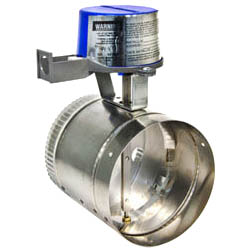


Subcategories
- Chimney Liner Kits: Chimney liner kits give contractors a way to reline an existing masonry chimney serving an atmospheric gas or oil boiler, dropping a flexible stainless liner down the flue so combustion gases don't come into direct contact with deteriorating brick and mortar. A liner sized correctly for the appliance's flue outlet keeps draft in the range the burner was designed for, which matters most on older chimneys that were originally sized for a larger, less efficient boiler.
- DuraVent Venting: DuraVent venting is built for technicians installing condensing boilers and water heaters that produce cooler, corrosive flue gas unsuitable for a standard masonry chimney. The PolyPro polypropylene pipe line is rated for exhaust temperatures up to 230°F and allows zero clearance to combustibles in vertical runs, making it a common choice where a plastic vent system needs to run through tight mechanical rooms or chases.
- Field Controls Dampers: Field Controls dampers give installers a way to regulate draft on oil, gas, and solid fuel appliances connected to a natural draft chimney. The RC series barometric draft control is calibrated for adjustment between .02 and .08 inches of water column and is available in single acting and double acting configurations, letting a technician match the damper to the fuel type and chimney conditions on site.
- Field Controls Venting: Field Controls venting covers the SWG line of power venters used to move flue gases through a sidewall vent instead of a vertical chimney. Each unit combines the motor, blower, and vent hood into one assembly that mounts outside the building and pulls combustion gases through the wall on negative pressure, which lets installers run standard galvanized pipe instead of costly stainless steel.
- Reznor Dampers: Reznor dampers are matched to Reznor gas fired unit heaters that use separated combustion, managing the intake and exhaust airflow so the heater draws combustion air from outside rather than the space it's heating. That setup matters in dusty or chemically active environments like garages and workshops, where pulling combustion air from inside the building would shorten the life of the burner and heat exchanger.
- Tjernlund Venting: Tjernlund venting includes the SideShot SS1 power venter, which fits through an 8 inch by 8 and 3/8 inch wall opening and accepts a 6 inch inlet collar for connection to any brand of vent pipe. It's rated for natural or LP gas appliances from 50,000 to 160,000 BTU and flame retention oil burners from 70,000 to 220,000 BTU, with a three way safety system that shuts down the burner if the fan proving switch, interlock control, or high limit detects a problem.
Buying Guide
Fuel type and appliance category set the starting point for any venting decision. Atmospheric boilers that vent by natural draft need a chimney or B-vent sized to the appliance's flue collar and enough draft to carry gases out without spillage. Fan assisted and condensing appliances change that equation because the blower inside the boiler creates the pressure needed to push exhaust through smaller diameter pipe, often in plastic or stainless material rated for lower exhaust temperatures.
Material selection comes down to exhaust temperature and moisture content. Condensing boilers produce flue gas cool enough to form acidic condensate, so PVC, CPVC, or polypropylene vent pipe rated for that service holds up where standard galvanized pipe would corrode. Non-condensing boilers and oil fired equipment run hotter and typically call for Type B vent or a properly sized and lined masonry chimney instead.
Sizing the vent run means accounting for total equivalent length, not just the straight line distance to the outdoors. Every elbow, transition, and termination adds resistance, and power venters like the Tjernlund SS1 or Field Controls SWG series have a maximum equivalent length rating that a longer run can exceed. Contractors should map out the full vent path before ordering pipe and fittings so the finished system falls inside the manufacturer's rated capacity.
Retrofit jobs often call for different components than new construction. Replacing an older atmospheric boiler with a high efficiency condensing model frequently leaves a masonry chimney too large for the new appliance to draft properly, which is where a chimney liner kit or a switch to sidewall power venting solves the problem without rebuilding the chimney. New installations give more flexibility to route vent pipe directly through a wall or roof in the most practical location for the mechanical room layout.
Local and national fuel gas and mechanical codes govern clearance to combustibles, termination location, and combination with other appliances on a shared vent, so a parts list should always get checked against the boiler manufacturer's installation manual before finalizing. Draft controls, safety switches, and control kits that come packaged with a power venter aren't optional add ons. They're part of the listed system, and leaving one out can void the appliance warranty and create an unsafe installation.
Frequently Asked Questions
What's the difference between natural draft and power venting for a boiler?
Natural draft venting relies on the buoyancy of hot flue gas and a properly sized chimney to carry combustion byproducts outdoors, while power venting uses a fan or blower to push or pull exhaust through the vent pipe. Power venting allows longer horizontal runs and smaller diameter pipe, which makes it common on high efficiency condensing boilers and on retrofits where the existing chimney no longer matches the new appliance.
When does a chimney need a liner instead of a straight vent connector?
A liner is needed whenever an existing masonry chimney is being reused for a new or replacement boiler and the flue isn't sized or lined for the appliance's exhaust temperature and moisture level. Without a properly matched liner, condensate from a mid or high efficiency appliance can deteriorate the mortar and brick over time, leading to spillage or structural damage inside the chimney.
Can PVC or polypropylene pipe be used on any boiler?
No. PVC, CPVC, and polypropylene vent pipe are only rated for condensing appliances that produce flue gas within the plastic's temperature limits, generally below 230°F for polypropylene and lower for PVC. Non-condensing boilers and oil fired equipment produce hotter exhaust that requires Type B vent, stainless steel, or a properly lined masonry chimney instead.
Why does a power venter need a separate control kit?
The control kit contains the pressure switch, interlock, and safety controls that confirm the venter is actually running and moving air before the burner is allowed to fire. Skipping the control kit or substituting a different one removes the safety interlock the appliance depends on and takes the installation outside the manufacturer's listed configuration.
How is a power venter sized for a specific boiler?
Sizing starts with the appliance's fuel input in BTU per hour and the total equivalent length of the vent run, including every elbow and fitting between the boiler and the outdoor termination. Manufacturers publish maximum BTU input and maximum equivalent length ratings for each power venter model, and the selected unit needs to cover both numbers for the specific installation.
Resources
Subcategories
- Chimney Liner Kits: Chimney liner kits give contractors a way to reline an existing masonry chimney serving an atmospheric gas or oil boiler, dropping a flexible stainless liner down the flue so combustion gases don't come into direct contact with deteriorating brick and mortar. A liner sized correctly for the appliance's flue outlet keeps draft in the range the burner was designed for, which matters most on older chimneys that were originally sized for a larger, less efficient boiler.
- DuraVent Venting: DuraVent venting is built for technicians installing condensing boilers and water heaters that produce cooler, corrosive flue gas unsuitable for a standard masonry chimney. The PolyPro polypropylene pipe line is rated for exhaust temperatures up to 230°F and allows zero clearance to combustibles in vertical runs, making it a common choice where a plastic vent system needs to run through tight mechanical rooms or chases.
- Field Controls Dampers: Field Controls dampers give installers a way to regulate draft on oil, gas, and solid fuel appliances connected to a natural draft chimney. The RC series barometric draft control is calibrated for adjustment between .02 and .08 inches of water column and is available in single acting and double acting configurations, letting a technician match the damper to the fuel type and chimney conditions on site.
- Field Controls Venting: Field Controls venting covers the SWG line of power venters used to move flue gases through a sidewall vent instead of a vertical chimney. Each unit combines the motor, blower, and vent hood into one assembly that mounts outside the building and pulls combustion gases through the wall on negative pressure, which lets installers run standard galvanized pipe instead of costly stainless steel.
- Reznor Dampers: Reznor dampers are matched to Reznor gas fired unit heaters that use separated combustion, managing the intake and exhaust airflow so the heater draws combustion air from outside rather than the space it's heating. That setup matters in dusty or chemically active environments like garages and workshops, where pulling combustion air from inside the building would shorten the life of the burner and heat exchanger.
- Tjernlund Venting: Tjernlund venting includes the SideShot SS1 power venter, which fits through an 8 inch by 8 and 3/8 inch wall opening and accepts a 6 inch inlet collar for connection to any brand of vent pipe. It's rated for natural or LP gas appliances from 50,000 to 160,000 BTU and flame retention oil burners from 70,000 to 220,000 BTU, with a three way safety system that shuts down the burner if the fan proving switch, interlock control, or high limit detects a problem.
Buying Guide
Fuel type and appliance category set the starting point for any venting decision. Atmospheric boilers that vent by natural draft need a chimney or B-vent sized to the appliance's flue collar and enough draft to carry gases out without spillage. Fan assisted and condensing appliances change that equation because the blower inside the boiler creates the pressure needed to push exhaust through smaller diameter pipe, often in plastic or stainless material rated for lower exhaust temperatures.
Material selection comes down to exhaust temperature and moisture content. Condensing boilers produce flue gas cool enough to form acidic condensate, so PVC, CPVC, or polypropylene vent pipe rated for that service holds up where standard galvanized pipe would corrode. Non-condensing boilers and oil fired equipment run hotter and typically call for Type B vent or a properly sized and lined masonry chimney instead.
Sizing the vent run means accounting for total equivalent length, not just the straight line distance to the outdoors. Every elbow, transition, and termination adds resistance, and power venters like the Tjernlund SS1 or Field Controls SWG series have a maximum equivalent length rating that a longer run can exceed. Contractors should map out the full vent path before ordering pipe and fittings so the finished system falls inside the manufacturer's rated capacity.
Retrofit jobs often call for different components than new construction. Replacing an older atmospheric boiler with a high efficiency condensing model frequently leaves a masonry chimney too large for the new appliance to draft properly, which is where a chimney liner kit or a switch to sidewall power venting solves the problem without rebuilding the chimney. New installations give more flexibility to route vent pipe directly through a wall or roof in the most practical location for the mechanical room layout.
Local and national fuel gas and mechanical codes govern clearance to combustibles, termination location, and combination with other appliances on a shared vent, so a parts list should always get checked against the boiler manufacturer's installation manual before finalizing. Draft controls, safety switches, and control kits that come packaged with a power venter aren't optional add ons. They're part of the listed system, and leaving one out can void the appliance warranty and create an unsafe installation.
Frequently Asked Questions
What's the difference between natural draft and power venting for a boiler?
Natural draft venting relies on the buoyancy of hot flue gas and a properly sized chimney to carry combustion byproducts outdoors, while power venting uses a fan or blower to push or pull exhaust through the vent pipe. Power venting allows longer horizontal runs and smaller diameter pipe, which makes it common on high efficiency condensing boilers and on retrofits where the existing chimney no longer matches the new appliance.
When does a chimney need a liner instead of a straight vent connector?
A liner is needed whenever an existing masonry chimney is being reused for a new or replacement boiler and the flue isn't sized or lined for the appliance's exhaust temperature and moisture level. Without a properly matched liner, condensate from a mid or high efficiency appliance can deteriorate the mortar and brick over time, leading to spillage or structural damage inside the chimney.
Can PVC or polypropylene pipe be used on any boiler?
No. PVC, CPVC, and polypropylene vent pipe are only rated for condensing appliances that produce flue gas within the plastic's temperature limits, generally below 230°F for polypropylene and lower for PVC. Non-condensing boilers and oil fired equipment produce hotter exhaust that requires Type B vent, stainless steel, or a properly lined masonry chimney instead.
Why does a power venter need a separate control kit?
The control kit contains the pressure switch, interlock, and safety controls that confirm the venter is actually running and moving air before the burner is allowed to fire. Skipping the control kit or substituting a different one removes the safety interlock the appliance depends on and takes the installation outside the manufacturer's listed configuration.
How is a power venter sized for a specific boiler?
Sizing starts with the appliance's fuel input in BTU per hour and the total equivalent length of the vent run, including every elbow and fitting between the boiler and the outdoor termination. Manufacturers publish maximum BTU input and maximum equivalent length ratings for each power venter model, and the selected unit needs to cover both numbers for the specific installation.