




Filters
SORT
Product Availability –
Review Score –
 --%3E %3Csvg version='1.1' id='Fill' xmlns='http://www.w3.org/2000/svg' xmlns:xlink='http://www.w3.org/1999/xlink' x='0px' y='0px' viewBox='0 0 100 100' enable-background='new 0 0 100 100' xml:space='preserve'%3E %3Cpath fill='%23F15C02' d='M79.44,0.95H20.56C9.78,0.95,0.95,9.78,0.95,20.56v58.87c0,10.79,8.82,19.61,19.61,19.61h58.87 c10.79,0,19.61-8.83,19.61-19.61V20.56C99.05,9.78,90.22,0.95,79.44,0.95z M65.38,58.24l9.38,29.58L49.69,69.78L24.5,87.82 l9.34-29.6L8.8,39.6l30.73-0.17c0,0,6.98-19.61,10-28.93c0.54,1.36,9.88,29.1,9.88,29.1H91.2L65.38,58.24z'/%3E %3C/svg%3E)
 --%3E %3Csvg version='1.1' id='With-RB' xmlns='http://www.w3.org/2000/svg' xmlns:xlink='http://www.w3.org/1999/xlink' x='0px' y='0px' viewBox='0 0 100 100' enable-background='new 0 0 100 100' xml:space='preserve'%3E %3Cpath fill='%23FBC8B4' d='M79.44,0.95H20.56C9.78,0.95,0.95,9.78,0.95,20.56v58.87c0,10.79,8.82,19.61,19.61,19.61h58.87 c10.79,0,19.61-8.83,19.61-19.61V20.56C99.05,9.78,90.22,0.95,79.44,0.95z M65.38,58.24l9.38,29.58L49.69,69.78L24.5,87.82 l9.34-29.6L8.8,39.6l30.73-0.17c0,0,6.98-19.61,10-28.93c0.54,1.36,9.88,29.1,9.88,29.1H91.2L65.38,58.24z'/%3E %3C/svg%3E)
Price Range –
Field Controls Dampers

 --%3E %3Csvg version='1.1' id='Half' xmlns='http://www.w3.org/2000/svg' xmlns:xlink='http://www.w3.org/1999/xlink' x='0px' y='0px' viewBox='0 0 100 100' enable-background='new 0 0 100 100' xml:space='preserve'%3E %3Cg%3E %3Cpath fill='%23F15C02' d='M30.05,70.23l3.79-12.01L8.8,39.6l30.73-0.17c0,0,6.98-19.61,10-28.93c0.54,1.36,9.88,29.1,9.88,29.1h1.58 L93.71,7.18c-3.58-3.82-8.66-6.23-14.28-6.23H20.56C9.78,0.95,0.95,9.78,0.95,20.56v58.87c0,5.41,2.22,10.32,5.79,13.88 L30.05,70.23z'/%3E %3C/g%3E %3Cpath fill='%23FBC8B4' d='M93.71,7.18L60.98,39.6H91.2L65.38,58.24l9.38,29.58L49.69,69.78L24.5,87.82l5.55-17.59L6.75,93.32 c3.55,3.54,8.44,5.73,13.82,5.73h58.87c10.79,0,19.61-8.83,19.61-19.61V20.56C99.05,15.4,97.01,10.69,93.71,7.18z'/%3E %3C/svg%3E)


 --%3E %3Csvg version='1.1' id='No-RB' xmlns='http://www.w3.org/2000/svg' xmlns:xlink='http://www.w3.org/1999/xlink' x='0px' y='0px' viewBox='0 0 100 100' enable-background='new 0 0 100 100' xml:space='preserve'%3E %3Cpath fill='%23CECECE' d='M79.44,0.95H20.56C9.78,0.95,0.95,9.78,0.95,20.56v58.87c0,10.79,8.82,19.61,19.61,19.61h58.87 c10.79,0,19.61-8.83,19.61-19.61V20.56C99.05,9.78,90.22,0.95,79.44,0.95z M65.38,58.24l9.38,29.58L49.69,69.78L24.5,87.82 l9.34-29.6L8.8,39.6l30.73-0.17c0,0,6.98-19.61,10-28.93c0.54,1.36,9.88,29.1,9.88,29.1H91.2L65.38,58.24z'/%3E %3C/svg%3E)

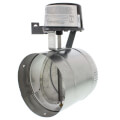


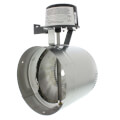
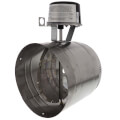
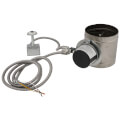
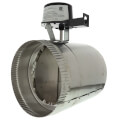
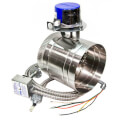
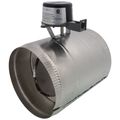

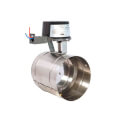


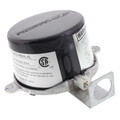


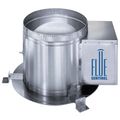


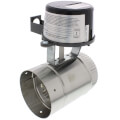
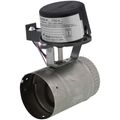
Field Controls dampers regulate draft in venting systems for oil, gas, wood, and coal-fired heating equipment, keeping combustion byproducts moving safely out of the building at the correct rate. The lineup uses a weighted, hinged door built into the flue pipe that opens or closes automatically in response to pressure changes, admitting room air when draft becomes too strong or closing down when draft weakens. Field Controls builds these dampers with solid steel construction and adjustable balancing, so a technician can fine-tune the counterweight to match a specific chimney's draft characteristics on site. Some models add optional built-in safety features for extra protection on solid fuel or oil-fired systems. Because draft conditions vary by chimney height, fuel type, and appliance, having a properly matched and adjusted damper is part of what keeps a heating appliance operating safely and efficiently, which is why service technicians treat draft regulation as a standard step on oil and solid fuel installations.
Subcategories
- Type RC Dampers: The Type RC damper is a single-acting barometric control designed for oil or solid fuel equipment, including wood and coal-fired appliances. It uses a weighted, hinged door that swings open on one side to admit room air when draft increases beyond the setpoint. Technicians adjust the counterweight during commissioning to match the chimney's specific draft conditions. Solid steel construction is standard on this model.
- Type MG1 Double-Acting Dampers: The MG1 is a double-acting damper built for gas-fired appliances, meaning it responds to both updrafts and downdrafts rather than a single direction. This makes it suitable for gas venting systems where pressure can swing in either direction depending on weather and appliance cycling. The double-acting design gives more consistent draft control across varying outdoor conditions than a single-acting model. Adjustable balancing lets a technician set the response point for the specific installation.
- Type M+MG2 Triple Fuel Dampers: The M+MG2 combines draft control functionality suited to oil, gas, wood, and coal-fired units in one damper line, giving distributors and contractors a single option that covers multiple fuel types. This flexibility is useful for supply houses stocking parts for a mixed base of heating equipment. Construction follows the same solid steel build as the rest of the Field Controls damper line.
- Type M Residential Oil Dampers: The Type M is built specifically for residential oil-fired draft control applications. It follows the same weighted-door operating principle as the rest of the line, opening to relieve excess draft on an oil-fired appliance's vent connector. Technicians servicing residential oil heat systems use this model for straightforward single-acting draft regulation.
Buying Guide
Fuel type is the starting point when selecting a damper from the Field Controls dampers line, since the product family is organized around single-fuel and multi-fuel options. Oil and solid fuel systems, including wood and coal appliances, typically pair with a single-acting model like the Type RC or Type M, while gas-fired equipment calls for a double-acting damper like the MG1 that responds to pressure swings in either direction. For a mixed equipment base or a supply house stocking for multiple fuel types, the M+MG2 triple fuel damper covers oil, gas, wood, and coal applications with one part number, which can simplify inventory. Beyond fuel compatibility, confirm the damper's size matches the flue pipe diameter on the appliance being serviced, since a mismatched size won't seal or balance correctly. All models in the line use solid steel construction with an adjustable counterweight, so proper commissioning matters as much as part selection. During installation, the counterweight needs to be balanced on site to match the specific chimney's draft characteristics, since draft varies with chimney height, local weather, and the appliance's firing rate. Some models include optional built-in safety features worth specifying on oil or solid fuel jobs where an added layer of protection is appropriate. Getting fuel type, size, and balancing right up front avoids a return trip to readjust a damper that's cycling incorrectly after startup.
Frequently Asked Questions
What does a Field Controls damper actually do?
A Field Controls damper regulates draft in a flue pipe using a weighted, hinged door that opens or closes automatically as pressure changes. It admits room air when draft is too strong and closes down when draft weakens, keeping combustion venting within a safe operating range.
What's the difference between single-acting and double-acting dampers?
A single-acting damper, like the Type RC or Type M, opens in one direction to relieve excess draft and suits oil or solid fuel appliances. A double-acting damper like the MG1 responds to both updrafts and downdrafts, which fits gas-fired systems where pressure can swing either way.
Can one damper work across oil, gas, wood, and coal systems?
The Type M+MG2 damper is built as a triple fuel option covering oil, gas, wood, and coal-fired equipment in a single product line. That flexibility can simplify parts stocking for a technician or supply house servicing mixed fuel types.
Does a Field Controls damper need to be adjusted after installation?
Yes. Field Controls dampers use an adjustable counterweight that needs to be balanced on site to match the specific chimney's draft characteristics. Draft conditions vary with chimney height and local weather, so commissioning is part of a correct installation.
What are Field Controls dampers made of?
The damper line uses solid steel construction across its models, with some options including optional built-in safety features. This construction is designed to hold up to the heat and corrosive byproducts present in a flue venting system.
