




Broan Range Hood Accessories & Parts
Range hood accessories are the replacement and add-on components that keep a kitchen ventilation system pulling smoke, grease, and odor out of the cooking area effectively. The category covers blower wheels, airflow parts, light bulbs, and control switches. It also includes the liners and covers that finish out the installation.
Most range hood accessory purchases happen when an existing hood loses suction, a light burns out, or a control stops responding, rather than as part of a new install. Airflow parts, liners, and controls are rarely interchangeable across manufacturers. Matching the accessory to the exact hood model keeps a repair a single-part fix instead of a full hood replacement.

Subcategories
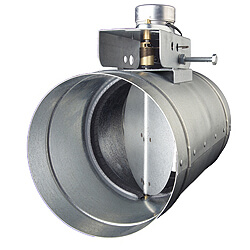
- Air Flow Parts: Air flow parts include the ductwork transitions, dampers, and connectors that route captured air from the hood to the exterior vent termination. A restricted or poorly sealed connection in this path reduces the hood's effective suction even when the blower motor itself is working correctly.
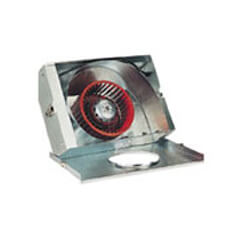
- Blower Systems: Blower systems are the motor and wheel assembly responsible for pulling air through the hood. They're the most common point of failure in a range hood that has lost suction over time. Matching wheel size and motor rating to the original hood keeps noise levels and airflow consistent with the unit's original performance.
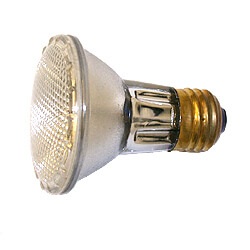
- Broan Replacement Light Bulbs: Replacement light bulbs sized for these range hood fixtures keep the cooktop lit without requiring a full light assembly swap. Bulb base type and wattage rating both need to match the hood's fixture specifications to fit and operate safely.
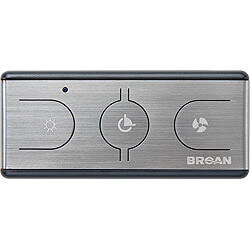
- Controls: Controls cover the switches, knobs, and control boards that operate fan speed and lighting on a range hood. A control failure often looks like a dead hood at first glance, even when the blower motor and wiring are both still functional.
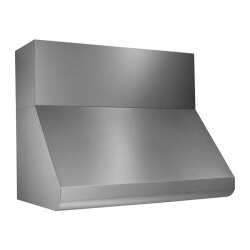
- Flue Covers: Flue covers close the visible gap between a wall-mounted range hood and the ceiling, sized to the specific height of the installation. Getting the flue cover height right during planning avoids an awkward gap or an overly compressed cover once the hood is mounted.
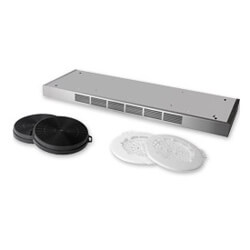
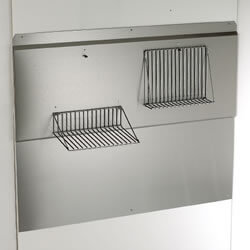
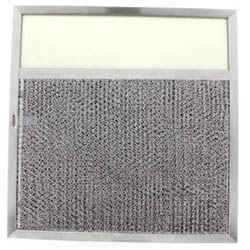
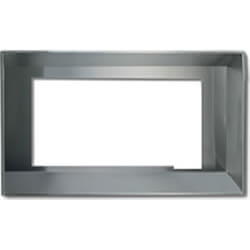
- Hood Liners: Hood liners are the interior panels or inserts that protect the hood body from grease buildup and make cleaning easier between deep maintenance cycles. Removable liners in particular simplify the cleaning routine compared with wiping down the hood's fixed interior surfaces.
Buying Guide
Identify the exact range hood model before ordering any accessory. Blower wheels, liners, flue covers, and control boards are built to fit a specific hood body. They rarely cross over between manufacturers or even between a manufacturer's own model years.
When suction has dropped noticeably, check the ductwork and air flow parts before assuming the blower motor has failed. A kinked, disconnected, or blocked duct run produces the same symptom as a weak motor but calls for a completely different fix.
Replace bulbs and controls with parts rated for the fixture's specific voltage and wattage. A bulb or control rated for a different load can fail quickly or create a safety issue inside an enclosure that already runs warm from cooking heat.
Measure the flue cover height needed based on the actual ceiling height at the installation site rather than assuming a standard size. Flue covers are typically sold in a range of heights or as telescoping units to fit variations between kitchens.
Choose a removable hood liner when the kitchen sees heavy daily cooking. A liner that lifts out for cleaning cuts down significantly on the scrubbing needed to keep grease from building up on fixed surfaces.
Frequently Asked Questions
Why did my range hood lose suction even though the fan still runs?
Reduced suction with a functioning fan usually points to a blocked or disconnected duct run, a clogged filter, or a worn blower wheel rather than a dead motor. Checking the ductwork first can save the cost of replacing a blower that was never the problem.
Can I use a universal blower wheel in any range hood?
Blower wheels are typically sized and shaped to match a specific hood housing, so a universal fit is uncommon. Matching the wheel diameter and motor mount to the original part is the more reliable approach.
What's the difference between a flue cover and a hood liner?
A flue cover closes the gap between the hood body and the ceiling on the outside of the unit. A hood liner protects the interior surfaces of the hood from grease buildup. They serve different parts of the same installation.
How do I know what light bulb my range hood needs?
Checking the existing bulb's base type and wattage is the most reliable way to match a replacement. Using a bulb with a higher wattage than the fixture is rated for can create excess heat inside the enclosure.
Do range hood controls wear out over time?
Mechanical switches and control boards can wear out or fail with age and heat exposure. A nonresponsive control is one of the more common range hood complaints that doesn't actually involve the motor or wiring.
Resources
Subcategories
- Air Flow Parts: Air flow parts include the ductwork transitions, dampers, and connectors that route captured air from the hood to the exterior vent termination. A restricted or poorly sealed connection in this path reduces the hood's effective suction even when the blower motor itself is working correctly.
- Blower Systems: Blower systems are the motor and wheel assembly responsible for pulling air through the hood. They're the most common point of failure in a range hood that has lost suction over time. Matching wheel size and motor rating to the original hood keeps noise levels and airflow consistent with the unit's original performance.
- Broan Replacement Light Bulbs: Replacement light bulbs sized for these range hood fixtures keep the cooktop lit without requiring a full light assembly swap. Bulb base type and wattage rating both need to match the hood's fixture specifications to fit and operate safely.
- Controls: Controls cover the switches, knobs, and control boards that operate fan speed and lighting on a range hood. A control failure often looks like a dead hood at first glance, even when the blower motor and wiring are both still functional.
- Flue Covers: Flue covers close the visible gap between a wall-mounted range hood and the ceiling, sized to the specific height of the installation. Getting the flue cover height right during planning avoids an awkward gap or an overly compressed cover once the hood is mounted.
- Hood Liners: Hood liners are the interior panels or inserts that protect the hood body from grease buildup and make cleaning easier between deep maintenance cycles. Removable liners in particular simplify the cleaning routine compared with wiping down the hood's fixed interior surfaces.
Buying Guide
Identify the exact range hood model before ordering any accessory. Blower wheels, liners, flue covers, and control boards are built to fit a specific hood body. They rarely cross over between manufacturers or even between a manufacturer's own model years.
When suction has dropped noticeably, check the ductwork and air flow parts before assuming the blower motor has failed. A kinked, disconnected, or blocked duct run produces the same symptom as a weak motor but calls for a completely different fix.
Replace bulbs and controls with parts rated for the fixture's specific voltage and wattage. A bulb or control rated for a different load can fail quickly or create a safety issue inside an enclosure that already runs warm from cooking heat.
Measure the flue cover height needed based on the actual ceiling height at the installation site rather than assuming a standard size. Flue covers are typically sold in a range of heights or as telescoping units to fit variations between kitchens.
Choose a removable hood liner when the kitchen sees heavy daily cooking. A liner that lifts out for cleaning cuts down significantly on the scrubbing needed to keep grease from building up on fixed surfaces.
Frequently Asked Questions
Why did my range hood lose suction even though the fan still runs?
Reduced suction with a functioning fan usually points to a blocked or disconnected duct run, a clogged filter, or a worn blower wheel rather than a dead motor. Checking the ductwork first can save the cost of replacing a blower that was never the problem.
Can I use a universal blower wheel in any range hood?
Blower wheels are typically sized and shaped to match a specific hood housing, so a universal fit is uncommon. Matching the wheel diameter and motor mount to the original part is the more reliable approach.
What's the difference between a flue cover and a hood liner?
A flue cover closes the gap between the hood body and the ceiling on the outside of the unit. A hood liner protects the interior surfaces of the hood from grease buildup. They serve different parts of the same installation.
How do I know what light bulb my range hood needs?
Checking the existing bulb's base type and wattage is the most reliable way to match a replacement. Using a bulb with a higher wattage than the fixture is rated for can create excess heat inside the enclosure.
Do range hood controls wear out over time?
Mechanical switches and control boards can wear out or fail with age and heat exposure. A nonresponsive control is one of the more common range hood complaints that doesn't actually involve the motor or wiring.