




Filters
SORT
Product Availability –
Review Score –
 --%3E %3Csvg version='1.1' id='Fill' xmlns='http://www.w3.org/2000/svg' xmlns:xlink='http://www.w3.org/1999/xlink' x='0px' y='0px' viewBox='0 0 100 100' enable-background='new 0 0 100 100' xml:space='preserve'%3E %3Cpath fill='%23F15C02' d='M79.44,0.95H20.56C9.78,0.95,0.95,9.78,0.95,20.56v58.87c0,10.79,8.82,19.61,19.61,19.61h58.87 c10.79,0,19.61-8.83,19.61-19.61V20.56C99.05,9.78,90.22,0.95,79.44,0.95z M65.38,58.24l9.38,29.58L49.69,69.78L24.5,87.82 l9.34-29.6L8.8,39.6l30.73-0.17c0,0,6.98-19.61,10-28.93c0.54,1.36,9.88,29.1,9.88,29.1H91.2L65.38,58.24z'/%3E %3C/svg%3E)
 --%3E %3Csvg version='1.1' id='With-RB' xmlns='http://www.w3.org/2000/svg' xmlns:xlink='http://www.w3.org/1999/xlink' x='0px' y='0px' viewBox='0 0 100 100' enable-background='new 0 0 100 100' xml:space='preserve'%3E %3Cpath fill='%23FBC8B4' d='M79.44,0.95H20.56C9.78,0.95,0.95,9.78,0.95,20.56v58.87c0,10.79,8.82,19.61,19.61,19.61h58.87 c10.79,0,19.61-8.83,19.61-19.61V20.56C99.05,9.78,90.22,0.95,79.44,0.95z M65.38,58.24l9.38,29.58L49.69,69.78L24.5,87.82 l9.34-29.6L8.8,39.6l30.73-0.17c0,0,6.98-19.61,10-28.93c0.54,1.36,9.88,29.1,9.88,29.1H91.2L65.38,58.24z'/%3E %3C/svg%3E)
Price Range –
Carrier Limits & Switches


 --%3E %3Csvg version='1.1' id='No-RB' xmlns='http://www.w3.org/2000/svg' xmlns:xlink='http://www.w3.org/1999/xlink' x='0px' y='0px' viewBox='0 0 100 100' enable-background='new 0 0 100 100' xml:space='preserve'%3E %3Cpath fill='%23CECECE' d='M79.44,0.95H20.56C9.78,0.95,0.95,9.78,0.95,20.56v58.87c0,10.79,8.82,19.61,19.61,19.61h58.87 c10.79,0,19.61-8.83,19.61-19.61V20.56C99.05,9.78,90.22,0.95,79.44,0.95z M65.38,58.24l9.38,29.58L49.69,69.78L24.5,87.82 l9.34-29.6L8.8,39.6l30.73-0.17c0,0,6.98-19.61,10-28.93c0.54,1.36,9.88,29.1,9.88,29.1H91.2L65.38,58.24z'/%3E %3C/svg%3E)






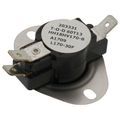


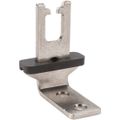
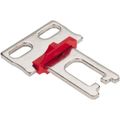


Carrier limits and switches are the safety and control components that shut a furnace, air handler, or heat pump down before a fault condition turns into equipment damage or a hazard. A limit switch opens when supply air temperature climbs above a safe threshold, cutting power to the burner or heating element while the blower keeps running to dissipate heat. Other switches in this category handle related jobs: sensing airflow before allowing ignition, detecting a blocked flue or a pressure condition outside normal range, and interrupting the circuit if a door panel is removed while the unit runs. Technicians replace these parts most often after intermittent lockouts, nuisance shutdowns, or a failed continuity test rather than as scheduled maintenance items. Matching the exact switch to the furnace or air handler model keeps the replacement part working the way the original equipment manufacturer intended.
Subcategories
- High-Limit Switches: These switches monitor supply air or plenum temperature and open the circuit to the burner or heating element if that temperature climbs past a safe threshold. Technicians see them trip on systems with restricted airflow, a dirty filter, or a failing blower motor that can't move enough air to keep temperatures in range. A tripped high-limit switch is a symptom worth investigating rather than just a part to swap, since the underlying airflow problem will trip a new switch too. Most reset automatically once temperature drops back into range.
- Fan and Limit Combination Controls: This style combines blower fan control and high-limit protection in a single component, turning the blower on and off based on plenum temperature while also providing the same over-temperature shutdown as a standalone limit switch. Older furnace designs rely on this combined part more than newer models with electronic control boards. Replacement requires matching both the fan-on and fan-off temperature settings along with the limit threshold. Getting those settings wrong can leave a furnace running the blower longer or shorter than the original design called for.
- Pressure and Airflow Switches: These switches confirm that the draft inducer is moving enough air, or that flue pressure is within range, before allowing the ignition sequence to proceed. A furnace that won't start but shows no obvious fault code often traces back to a stuck or miscalibrated switch in this category. Technicians check these with a manometer during diagnosis rather than replacing on a guess. They're a common point of failure on systems installed in areas with venting restrictions or high static pressure.
- Door and Interlock Switches: This type shuts the unit down if an access panel is removed while the system is running, protecting a technician from moving parts or exposed electrical connections during service. Building code requires this interlock on most furnace and air handler cabinets. A furnace that won't run with the panel installed correctly often has a switch in this category that's failed to close. These are inexpensive relative to other controls but easy to overlook as a failure point during diagnosis.
Buying Guide
Start with the exact equipment model and the failure symptom before ordering a replacement limit or switch. A nuisance shutdown during normal operation points toward a high-limit switch reacting to marginal airflow, while a unit that won't ignite at all points toward a pressure or airflow switch further up the sequence of operation. Matching the part number to the original equipment, rather than a generic universal replacement, keeps the temperature and pressure setpoints consistent with what the manufacturer designed the system around.
Diagnose before replacing wherever possible. Carrier Limits & Switches are often blamed for a shutdown that actually traces back to a dirty filter, a failing blower motor, or restricted ductwork forcing the high-limit switch to do its job correctly. Replacing the switch without fixing the underlying airflow issue just delays the next callback.
Confirm electrical ratings and mounting configuration against the original part before finalizing an order. Voltage, amperage rating, and the physical bracket or mounting holes all need to match the equipment being serviced, since a mismatched mount can leave a switch positioned where it won't sense temperature or pressure accurately.
Frequently Asked Questions
What causes a high-limit switch to trip repeatedly?
Restricted airflow is the most common cause, whether from a dirty filter, a failing blower motor, or blocked return ductwork. The switch is doing its job by shutting down the heating element before temperatures climb further. Replacing the switch without addressing the airflow problem usually just leads to another trip.
Can a universal limit switch replace an original Carrier part?
A universal switch can work if its temperature and electrical ratings match the original, but matching the manufacturer's exact part number keeps the setpoints consistent with how the system was designed. Getting the temperature threshold wrong on a universal substitute can cause premature shutdowns or, worse, delayed protection. When the exact part is available, it's the safer choice.
Why won't a furnace ignite even though the high-limit switch tests fine?
A pressure or airflow switch earlier in the ignition sequence may be the actual fault, since these confirm the draft inducer is working before allowing ignition to proceed. A manometer check during diagnosis can confirm whether that switch is reading correctly. Don't assume the high-limit switch is the only control worth testing.
What's the purpose of a door interlock switch?
It shuts the unit down if an access panel is removed while the system is operating, protecting a technician from moving parts or live electrical connections during service. Most furnace and air handler cabinets require this interlock by code. A unit that won't start with the panel properly installed may have a failed switch in this category.
Do fan and limit combination controls need special calibration when replaced?
Yes, both the fan-on and fan-off temperature settings and the high-limit threshold need to be matched to the original part's specifications. These combination controls handle two jobs at once, so getting either setting wrong changes how long the blower runs relative to the original design. Confirming settings against the furnace's installation manual avoids a callback.
