



Cast Iron Drainage Fittings

 --%3E %3Csvg version='1.1' id='No-RB' xmlns='http://www.w3.org/2000/svg' xmlns:xlink='http://www.w3.org/1999/xlink' x='0px' y='0px' viewBox='0 0 100 100' enable-background='new 0 0 100 100' xml:space='preserve'%3E %3Cpath fill='%23CECECE' d='M79.44,0.95H20.56C9.78,0.95,0.95,9.78,0.95,20.56v58.87c0,10.79,8.82,19.61,19.61,19.61h58.87 c10.79,0,19.61-8.83,19.61-19.61V20.56C99.05,9.78,90.22,0.95,79.44,0.95z M65.38,58.24l9.38,29.58L49.69,69.78L24.5,87.82 l9.34-29.6L8.8,39.6l30.73-0.17c0,0,6.98-19.61,10-28.93c0.54,1.36,9.88,29.1,9.88,29.1H91.2L65.38,58.24z'/%3E %3C/svg%3E)

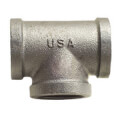
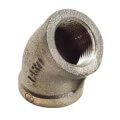

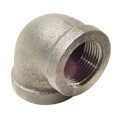
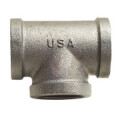

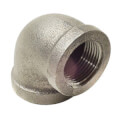
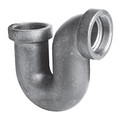
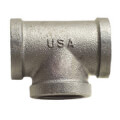

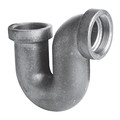
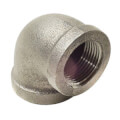


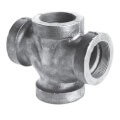
Cast iron drainage fittings join, branch, and redirect cast iron drain, waste, and vent (DWV) piping in plumbing systems where durability and sound dampening matter more than material weight or installation speed. Plumbers and contractors specify cast iron on multi-family buildings, commercial construction, and any job where local code favors it for its resistance to fire and its ability to dampen the sound of wastewater moving through a stack, something plastic DWV piping doesn't match as well. Common fittings include hubless couplings, bends, tees, and wyes that let a cast iron system route waste through floors and around obstructions while maintaining the pitch needed for proper drainage. Because cast iron systems are heavier and less forgiving to modify than plastic alternatives, getting the fitting layout right during rough-in avoids costly rework once a stack has been set and secured. Matching fitting type to hubless or hub-and-spigot piping is the first decision on any cast iron job, since the two systems use different connection methods.
Subcategories
- Hubless Couplings and Clamps: Hubless couplings and clamps join no-hub cast iron pipe and fittings using a neoprene gasket and stainless steel shield secured with clamps. Plumbers favor hubless systems for new construction and renovation work because they install faster than hub-and-spigot joints and don't require caulking or lead. Clamp style and gasket thickness both need to match the pipe schedule being used.
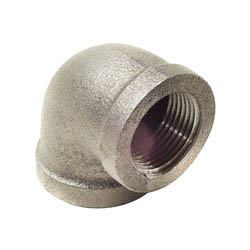
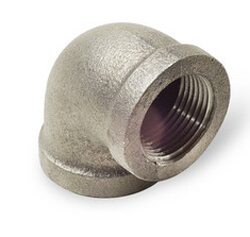
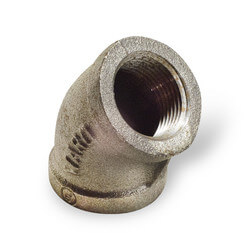
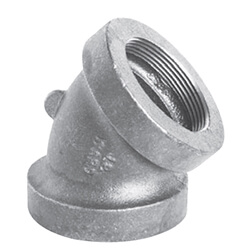
- Bends and Elbows: Bends and elbows change the direction of a cast iron DWV run, with common sweep angles covering long-radius turns that maintain proper drainage flow without creating a flow restriction. Plumbers select bend angle based on the specific routing needed around joists, beams, or other obstructions in the floor or wall cavity. A long-sweep bend is generally preferred over a shorter radius wherever space allows, since it keeps waste and debris moving without catching at the turn.
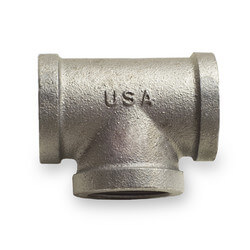
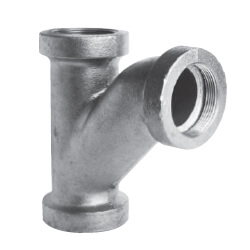
- Tees and Wyes: Tees and wyes let a branch line join a main stack or horizontal run without creating a dead-end catch point for waste and debris. Wyes are generally specified over straight tees on drain lines because the angled branch entry helps maintain flow direction, while tees see more use on vent lines where flow direction matters less. Getting the right fitting for a drain versus a vent application is a common code consideration on inspection.
- Cleanouts and Access Fittings: Cleanouts and access fittings give plumbers and service technicians a point to clear a blockage without cutting into the stack. Codes typically require a cleanout at the base of a stack and at specific intervals along horizontal runs, so these fittings get planned into the system layout from the start rather than added afterward. Accessible location matters as much as the fitting itself for a system to pass inspection.
Buying Guide
Confirming hubless versus hub-and-spigot compatibility is the first step with any cast iron order, since the two piping systems use entirely different connection methods and fittings aren't interchangeable between them. Most new construction and renovation work today uses hubless systems for their faster installation.
Pipe schedule and fitting size need to match precisely, since cast iron fittings are sized to a specific pipe diameter and wall thickness. A mismatch at this stage isn't something that gets caught until the joint is already being assembled.
Local plumbing code should guide fitting selection on branch connections, since codes typically specify wye fittings over straight tees on drain lines to maintain proper flow direction, while allowing tees on vent lines where flow direction is less critical.
Cleanout placement needs to be planned into the system layout early, since most codes require a cleanout at the base of a stack and at set intervals along horizontal runs. Skipping this during rough-in planning is a common reason for a failed inspection.
Because cast iron systems are heavier and less forgiving to modify after installation than plastic DWV piping, confirming the full fitting layout before setting the stack saves significant rework compared to catching a routing problem after the system is secured in place.
Frequently Asked Questions
Why choose cast iron drainage fittings over PVC?
Cast iron is often specified where local code favors it for fire resistance and for its ability to dampen the sound of wastewater moving through a stack, which plastic DWV piping doesn't match as well.
What's the difference between hubless and hub-and-spigot cast iron fittings?
Hubless fittings connect using a neoprene gasket and stainless steel shield secured with clamps, while hub-and-spigot systems use a different joint method entirely. The two systems aren't interchangeable, so confirming which type is in place is essential before ordering.
Should I use a tee or a wye on a cast iron branch connection?
Wyes are generally specified over straight tees on drain lines because the angled branch entry helps maintain flow direction, while tees see more use on vent lines where flow direction is less critical.
Where are cleanouts required on a cast iron drainage system?
Most plumbing codes require a cleanout at the base of a stack and at set intervals along horizontal runs, so cleanout locations should be planned into the system layout from the start.
Are cast iron fittings harder to modify after installation than plastic fittings?
Yes. Cast iron systems are heavier and less forgiving to modify once a stack is set and secured, which makes confirming the fitting layout during rough-in more important than it typically is with plastic DWV piping.
