




Ceiling Hatches

 --%3E %3Csvg version='1.1' id='No-RB' xmlns='http://www.w3.org/2000/svg' xmlns:xlink='http://www.w3.org/1999/xlink' x='0px' y='0px' viewBox='0 0 100 100' enable-background='new 0 0 100 100' xml:space='preserve'%3E %3Cpath fill='%23CECECE' d='M79.44,0.95H20.56C9.78,0.95,0.95,9.78,0.95,20.56v58.87c0,10.79,8.82,19.61,19.61,19.61h58.87 c10.79,0,19.61-8.83,19.61-19.61V20.56C99.05,9.78,90.22,0.95,79.44,0.95z M65.38,58.24l9.38,29.58L49.69,69.78L24.5,87.82 l9.34-29.6L8.8,39.6l30.73-0.17c0,0,6.98-19.61,10-28.93c0.54,1.36,9.88,29.1,9.88,29.1H91.2L65.38,58.24z'/%3E %3C/svg%3E)
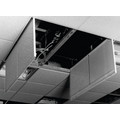
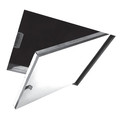


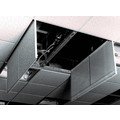
Ceiling Hatches are access panels that give trades a framed, closable opening into a finished ceiling. The Karp Sesame models listed here, including the 24" x 24" KSTC Concealed hatch for ceiling tile, use a 20 gage galvanized steel frame. The listings include concealed and exposed styles, in sizes like 12" x 12" and 48" x 24". The KSTC and KSTE are designed for concealed and exposed grid systems, respectively, while the KSTDW is designed for complete concealment in drywall ceilings. On the Sesame doors, the panel opens to a check position for safety, then releases for a 90 degree opening and can be removed. Matching the hatch to the ceiling type and opening size matters because it decides how clean the finished ceiling looks and how easily a tech can get to the equipment on every later service call.
Subcategories
- Concealed Hatches for Ceiling Tile: Concealed hatches for ceiling tile, like the Karp KSTC, are designed for grid ceiling systems and list ceiling tile as the application. Installers and maintenance techs use them to open a service point in a tile ceiling. The 24" x 24" KSTC has a 20 gage galvanized steel frame with a rib containing a flame retardant polyurethane gasket. The panel opens to receive a ceiling tile.
- Exposed Hatches for Ceiling Tile: Exposed hatches for ceiling tile, like the Karp KSTE, are designed for exposed grid systems and list ceiling tile as the application. Contractors and maintenance crews use them for service access in exposed grid ceilings. The KSTE door is 20 gage electro-galvanized mild steel with a 7/32" flange, stove enameled white. The listings show the KSTE in 24" x 24" and 48" x 24" sizes.
- Drywall Ceiling Hatches: Drywall ceiling hatches, like the Karp KSTDW, are designed for complete concealment in drywall ceilings. Drywall installers and mechanical contractors use them to leave a service opening in a finished drywall ceiling. The 12" x 12" KSTDW has a 20 gage galvanized steel frame and a door lined with 3/8" mineral fiberboard. The hinge is a concealed pivot.
Buying Guide
Start with the ceiling type, because it decides which hatch fits. The KSTC and KSTE are designed for concealed and exposed grid systems, respectively, and both list ceiling tile as the application. The KSTDW is designed for complete concealment in drywall ceilings and lists drywall as its application. Confirm the ceiling construction on the job before picking a model.
Next, pick the size. The listings here include 12" x 12", 24" x 24", and 48" x 24" hatches. The KSTC and KSTE are both shown here in 24" x 24" and 48" x 24" sizes. Size the opening for whatever a tech has to reach or pass through, and verify the rough opening dimensions before ordering.
When comparing Ceiling Hatches, look at the construction details. The Karp models shown here use a 20 gage galvanized steel frame with electro-galvanized steel doors. The KSTC frame has a rib with a flame retardant polyurethane gasket, and the KSTDW door is lined with 3/8" mineral fiberboard. Check which of those features the project specification calls for before ordering.
Finally, consider door action. The Sesame door opens to a check position for safety, then releases for a 90 degree opening, and the panel is removable. A removable panel gives a tech clear working room when access is tight. Weigh that against the finished look the job calls for.
Frequently Asked Questions
What's the difference between a KSTC and a KSTE ceiling hatch?
The KSTC and KSTE ceiling hatches are designed for concealed and exposed grid systems, respectively, and both list ceiling tile as the application. The listings show a concealed type for the KSTC and an exposed type for the KSTE. Both models are shown here in 24" x 24" and 48" x 24" sizes.
Which ceiling hatch works in a drywall ceiling?
The Karp KSTDW ceiling hatch is designed for complete concealment in drywall ceilings, and its listing shows drywall as the application. The 12" x 12" model shown here has a galvanized steel frame and a door lined with 3/8" mineral fiberboard. Confirm the needed size before ordering.
What are Sesame ceiling hatches made of?
Karp Sesame ceiling hatches shown here use a 20 gage galvanized steel frame, and the doors are 20 gage electro-galvanized steel. The KSTE door also has a 7/32" flange that's stove enameled white. The specifications list galvanized steel as the material.
How does the door open on a Sesame ceiling hatch?
On a Sesame ceiling hatch, the door panel opens to a check position for safety and then releases for a 90 degree opening. The door is also removable. Techs can take the panel off when full access to the opening is needed.
Do ceiling hatches come with a gasket?
The KSTC ceiling hatch has a frame rib containing a flame retardant polyurethane gasket. The KSTDW lists flame retardant polyurethane gasketing as well. Gasket details are listed per model, so check the specific listing before ordering.
