




Filters
SORT
Product Availability –
Category –
Used With –
Review Score –
 --%3E %3Csvg version='1.1' id='Fill' xmlns='http://www.w3.org/2000/svg' xmlns:xlink='http://www.w3.org/1999/xlink' x='0px' y='0px' viewBox='0 0 100 100' enable-background='new 0 0 100 100' xml:space='preserve'%3E %3Cpath fill='%23F15C02' d='M79.44,0.95H20.56C9.78,0.95,0.95,9.78,0.95,20.56v58.87c0,10.79,8.82,19.61,19.61,19.61h58.87 c10.79,0,19.61-8.83,19.61-19.61V20.56C99.05,9.78,90.22,0.95,79.44,0.95z M65.38,58.24l9.38,29.58L49.69,69.78L24.5,87.82 l9.34-29.6L8.8,39.6l30.73-0.17c0,0,6.98-19.61,10-28.93c0.54,1.36,9.88,29.1,9.88,29.1H91.2L65.38,58.24z'/%3E %3C/svg%3E)
 --%3E %3Csvg version='1.1' id='With-RB' xmlns='http://www.w3.org/2000/svg' xmlns:xlink='http://www.w3.org/1999/xlink' x='0px' y='0px' viewBox='0 0 100 100' enable-background='new 0 0 100 100' xml:space='preserve'%3E %3Cpath fill='%23FBC8B4' d='M79.44,0.95H20.56C9.78,0.95,0.95,9.78,0.95,20.56v58.87c0,10.79,8.82,19.61,19.61,19.61h58.87 c10.79,0,19.61-8.83,19.61-19.61V20.56C99.05,9.78,90.22,0.95,79.44,0.95z M65.38,58.24l9.38,29.58L49.69,69.78L24.5,87.82 l9.34-29.6L8.8,39.6l30.73-0.17c0,0,6.98-19.61,10-28.93c0.54,1.36,9.88,29.1,9.88,29.1H91.2L65.38,58.24z'/%3E %3C/svg%3E)
Price Range –
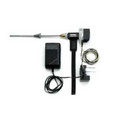
Combustion Analyzer Parts & Accessories

 --%3E %3Csvg version='1.1' id='No-RB' xmlns='http://www.w3.org/2000/svg' xmlns:xlink='http://www.w3.org/1999/xlink' x='0px' y='0px' viewBox='0 0 100 100' enable-background='new 0 0 100 100' xml:space='preserve'%3E %3Cpath fill='%23CECECE' d='M79.44,0.95H20.56C9.78,0.95,0.95,9.78,0.95,20.56v58.87c0,10.79,8.82,19.61,19.61,19.61h58.87 c10.79,0,19.61-8.83,19.61-19.61V20.56C99.05,9.78,90.22,0.95,79.44,0.95z M65.38,58.24l9.38,29.58L49.69,69.78L24.5,87.82 l9.34-29.6L8.8,39.6l30.73-0.17c0,0,6.98-19.61,10-28.93c0.54,1.36,9.88,29.1,9.88,29.1H91.2L65.38,58.24z'/%3E %3C/svg%3E)


Combustion analyzer parts and accessories are the replacement sensors, probes, filters, and consumables that keep a technician's flue-gas analyzer reading accurately during furnace, boiler, and water heater tune-ups. An HVAC tech reaches for this category when a sensor reading drifts, a probe tip corrodes, or a printer runs low on paper, rather than replacing the whole analyzer unit. Oxygen and carbon monoxide sensors are the parts that wear out fastest, since they're consumed through normal exposure to combustion gases over the life of the analyzer. Keeping spares on hand prevents a tech from being sidelined mid-season when a sensor finally reads out of range.
Accurate combustion testing is central to a safe, code-compliant furnace or boiler tune-up, and an analyzer with a failing sensor or a clogged probe filter can quietly produce bad readings long before it stops working entirely. Contractors who service combustion equipment regularly treat sensor replacement as a routine maintenance cost, not an occasional repair, since the sensors have a defined service life regardless of how the analyzer itself is cared for.
Subcategories
- Oxygen Sensors: Oxygen sensors measure the percentage of O2 in flue gas, which the analyzer uses to calculate combustion efficiency and excess air. These sensors degrade through normal use and typically need replacement on a set schedule regardless of how often the analyzer is used. A tech should replace an oxygen sensor at the first sign of slow or erratic readings rather than waiting for a complete failure.
- Carbon Monoxide Sensors: CO sensors detect carbon monoxide levels in flue gas, a critical safety reading for any combustion tune-up. Like oxygen sensors, these are consumable parts with a limited service life tied to gas exposure rather than calendar time. A sensor reading that seems inconsistent with known appliance condition is a strong sign it needs replacement.
- Probes and Probe Filters: The sample probe draws flue gas into the analyzer, and its inline filter protects the internal sensors from soot, moisture, and condensation. A clogged or damaged filter can throw off every reading the analyzer takes, so techs replace probe filters far more often than the sensors themselves. Probe tips also wear from repeated insertion into flue openings and need periodic replacement.
- Printer Paper and Batteries: Many combustion analyzers include a built-in printer for generating a compliance report on site, and that printer runs on a specific thermal paper roll sized to the unit. Rechargeable battery packs and replacement AA cells keep field units running through a full day of appointments. These are routine consumables that a tech restocks alongside sensors and filters.
Buying Guide
Match any replacement sensor, probe, or filter to the exact analyzer make and model before ordering. Combustion analyzer manufacturers design sensors around their own calibration software, and a sensor from one brand will not work correctly, or at all, in another manufacturer's unit. The analyzer's model number, usually printed on the back of the housing, is the fastest way to confirm compatibility.
Sensor life is measured in exposure to combustion gases, not elapsed time on the shelf, so a tech who runs fewer tune-ups per week can still expect a sensor to eventually need replacement even with light use. Watching for slow response times or readings that drift from a known reference point is a more reliable replacement trigger than a fixed calendar schedule.
Probe filters should be treated as a per-job or per-week consumable rather than an occasional purchase, since a clogged filter degrades every reading the analyzer takes without necessarily throwing an error. Keeping a supply of filters on the truck is inexpensive insurance against a full day of unreliable combustion tests.
For techs who rely on printed compliance reports, confirm the correct paper roll width and battery type for the specific analyzer model before restocking, since printer paper sizes are not standardized across manufacturers. Running out of paper or battery power mid-appointment means falling back to handwritten records, which some clients and inspectors won't accept.
Frequently Asked Questions
How do I know when a combustion analyzer's oxygen sensor needs replacing?
A sensor nearing the end of its life typically shows slow response time, drifting readings, or an inability to calibrate to a known reference gas. Most manufacturers also publish an expected sensor life so techs can plan replacement before a failure happens mid-job.
Can I use a universal sensor in any combustion analyzer?
No. Sensors are matched to a specific analyzer's calibration and internal wiring, so a sensor built for one manufacturer's unit typically won't work correctly in another brand's analyzer. Always order the sensor listed for the exact analyzer model.
Why does my analyzer give inconsistent readings even with a new sensor?
A clogged or damaged probe filter is one of the most common causes of inconsistent readings that persist after a sensor replacement. Checking and replacing the inline filter should be a routine step whenever readings seem off.
How often should probe filters be replaced?
Probe filters see heavy exposure to soot and condensation and are generally replaced far more frequently than sensors, often on a per-week or per-job basis depending on call volume. A visibly discolored or clogged filter should be swapped immediately rather than waiting for a scheduled interval.
Do combustion analyzer batteries need to be a specific type?
Most field analyzers use either a manufacturer-specific rechargeable pack or standard AA batteries, but the exact type varies by model. Checking the analyzer's manual or model label confirms which battery type keeps the unit running through a full service day.
