




Comfort-Aire CXP Air Condensers R-454B Refrigerant
 --%3E %3Csvg version='1.1' id='No-RB' xmlns='http://www.w3.org/2000/svg' xmlns:xlink='http://www.w3.org/1999/xlink' x='0px' y='0px' viewBox='0 0 100 100' enable-background='new 0 0 100 100' xml:space='preserve'%3E %3Cpath fill='%23CECECE' d='M79.44,0.95H20.56C9.78,0.95,0.95,9.78,0.95,20.56v58.87c0,10.79,8.82,19.61,19.61,19.61h58.87 c10.79,0,19.61-8.83,19.61-19.61V20.56C99.05,9.78,90.22,0.95,79.44,0.95z M65.38,58.24l9.38,29.58L49.69,69.78L24.5,87.82 l9.34-29.6L8.8,39.6l30.73-0.17c0,0,6.98-19.61,10-28.93c0.54,1.36,9.88,29.1,9.88,29.1H91.2L65.38,58.24z'/%3E %3C/svg%3E)
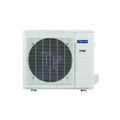
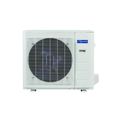
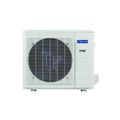
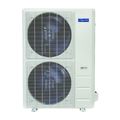

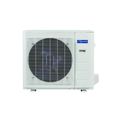
Comfort-Aire CXP air condensers using R-454B refrigerant are outdoor split-system units that reject heat from the indoor coil while running on a next-generation refrigerant with a lower global warming potential than R-410A. Contractors are moving toward R-454B equipment as refrigerant regulations phase down higher-GWP options, and a CXP condenser lets a system meet that requirement while pairing with a matched indoor coil and air handler or furnace. Because R-454B is mildly flammable (classified A2L), installation and servicing call for the handling, leak-check, and ventilation practices manufacturers spell out for A2L refrigerants, which differ in places from the routine used on older R-410A systems. Techs sourcing a CXP condenser for a changeout or new install need the matching indoor components confirmed compatible before ordering, since refrigerant type and charge are tied to the full system rather than the outdoor unit alone. For any shop transitioning its stock toward A2L equipment, this condenser line is one of the more straightforward starting points.
Subcategories
- Single-Stage CXP Condensers: Single-stage units run at one fixed capacity whenever the system calls for cooling, which keeps the equipment and controls simple and the installed cost lower than staged or variable-speed alternatives. Residential replacement jobs make up most of the demand for this tier, especially when swapping out an aging R-410A unit for an equivalent CXP model. Sizing still needs to match the home's cooling load and the paired indoor coil rather than defaulting to whatever was removed.
- Matched Coil Packages: Matched coil packages pair a CXP condenser with a coil engineered and rated for the same refrigerant and capacity, which keeps the combination within the manufacturer's certified performance range. Installers use these packages when a job calls for guaranteed compatibility rather than field-matching a condenser to whatever coil is on hand. Ordering a matched package also simplifies warranty coverage, since both halves of the system come from the same certified combination.
- Refrigerant Line Sets and Accessories: Line sets and accessories for A2L equipment include components rated for use with mildly flammable refrigerants, along with fittings and access ports suited to R-454B service procedures. Technicians working on these systems need tools and gauges rated for A2L refrigerant, since equipment built for R-410A isn't automatically approved for the newer classification. Keeping a dedicated set of A2L-rated service tools on the truck avoids cross-contamination between refrigerant types.
Buying Guide
Choosing a Comfort-Aire CXP air condenser starts with confirming the refrigerant transition it represents: R-454B is an A2L, mildly flammable refrigerant, and both the equipment and the technician handling it need to be rated and trained for that classification. Before ordering, it's worth checking that the indoor coil, line set, and any existing ductwork or accessories on the job are compatible with an R-454B system, since mixing components rated for different refrigerants isn't a safe substitution.
Capacity and sizing follow the same load-calculation process as any other split system: matching the condenser's tonnage to the structure's actual cooling load, not simply replacing a unit with an identical size, keeps the system running efficiently and avoids short-cycling. Single-stage models cover most straightforward replacement jobs, while a job with tighter humidity control needs or a wider range of operating conditions may call for a higher tier within the CXP lineup.
Because A2L refrigerants require specific leak-detection, ventilation, and servicing practices, crews taking on CXP installations should confirm their tools, training, and local code allowances are current before the first job goes in. Distributors and manufacturers publish updated installation guidance as A2L adoption expands, so checking for the latest version of the installation manual before starting a job is worth the few extra minutes.
Frequently Asked Questions
What does R-454B mean for a service technician working on a CXP condenser?
R-454B is classified as a mildly flammable A2L refrigerant, so servicing it calls for A2L-rated tools, leak-detection equipment, and the handling procedures the manufacturer specifies, which differ from routine R-410A service.
Can an R-454B CXP condenser be paired with an existing R-410A coil?
No, the indoor coil and condenser need to be matched for the same refrigerant, so an existing R-410A coil isn't a compatible pairing for an R-454B unit.
Is special training required to install A2L refrigerant equipment like this?
Most manufacturers and code bodies require technicians to complete A2L-specific safety training before installing or servicing this class of equipment, given the mild flammability rating.
How is a CXP condenser sized for a job?
Sizing follows a standard cooling load calculation for the structure, matching condenser tonnage to that load rather than to the capacity of the unit being replaced.
Why are manufacturers moving to R-454B instead of R-410A?
R-454B has a substantially lower global warming potential than R-410A, and equipment manufacturers are transitioning product lines to meet refrigerant phase-down regulations.
