




Compression x FIP Elbows

 --%3E %3Csvg version='1.1' id='Fill' xmlns='http://www.w3.org/2000/svg' xmlns:xlink='http://www.w3.org/1999/xlink' x='0px' y='0px' viewBox='0 0 100 100' enable-background='new 0 0 100 100' xml:space='preserve'%3E %3Cpath fill='%23F15C02' d='M79.44,0.95H20.56C9.78,0.95,0.95,9.78,0.95,20.56v58.87c0,10.79,8.82,19.61,19.61,19.61h58.87 c10.79,0,19.61-8.83,19.61-19.61V20.56C99.05,9.78,90.22,0.95,79.44,0.95z M65.38,58.24l9.38,29.58L49.69,69.78L24.5,87.82 l9.34-29.6L8.8,39.6l30.73-0.17c0,0,6.98-19.61,10-28.93c0.54,1.36,9.88,29.1,9.88,29.1H91.2L65.38,58.24z'/%3E %3C/svg%3E)

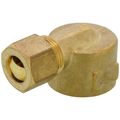
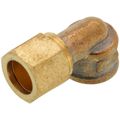
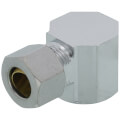
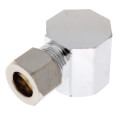
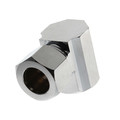

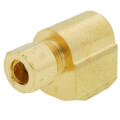
Compression x FIP Elbows connect copper or flexible supply tubing to a female threaded valve, stub-out, or fitting at a 90-degree angle, letting plumbers change direction without soldering or cutting into a wall. The compression side uses a nut and ferrule to grip the tubing, while the FIP side threads directly onto a male-threaded outlet. Small-bore configurations, such as 3/8 inch O.D. tube by 1/4 inch FIP, cover tight under-sink and appliance connections where space is limited. Brass construction stands up to the pressure and temperature swings found in residential and light commercial water supply lines. Plumbers reach for these elbows on supply stop installations, dishwasher hookups, and any repair where a rigid soldered joint isn't practical or code-required. Because the compression side doesn't require heat, these fittings work in occupied spaces without shutting down nearby systems or triggering a hot work permit.
Subcategories
- Small-Diameter Elbows: Small-diameter compression x FIP elbows, such as 3/8 inch O.D. tube by 1/4 inch FIP, fit tight spaces behind appliances and under fixtures. Plumbers use this size range for dishwasher, ice maker, and faucet supply connections where larger fittings won't clear the cabinet or wall cavity. The compression end still uses a standard nut and ferrule, so installation doesn't change from larger sizes. Smaller bore sizing simply matches the narrower tubing common on point-of-use appliance connections.
- Lead-Free Brass Elbows: Lead-free brass elbows meet the material requirements for potable water supply lines in residential and light commercial plumbing. Plumbers specify lead-free brass on any connection feeding drinking water fixtures, which covers most compression x FIP applications. Brass resists corrosion from typical water chemistry better than lower-grade metals, extending the service life of the joint. The lead-free designation is a code requirement on new installations and most repairs in occupied buildings.
- Dishwasher and Appliance Connector Elbows: Dishwasher and appliance connector elbows route the compression side to flexible supply tubing and the FIP side to the appliance's water inlet or a nearby stop valve. BrassCraft and similar manufacturers build these specifically for kitchen and laundry appliance hookups where space behind the unit is tight. The 90-degree bend lets the tubing run flat against a wall or cabinet back instead of looping outward. Appliance installers keep these elbows on hand for both new dishwasher installs and supply line repairs.
Buying Guide
Start with the two thread and tube specs the fitting needs to match. One side connects to a specific tubing outer diameter, commonly 3/8 inch, and the other side threads onto a female connection sized to match the male outlet on the valve or appliance. Measuring the existing tubing and thread size before ordering avoids a mismatched fitting that leaks or won't thread on at all.
Confirm the material meets code for the application. Lead-free brass is required on new potable water connections and most repairs in occupied buildings, so checking that the elbow carries a lead-free designation matters more on drinking water lines than on non-potable runs. Brass also holds up better against typical water chemistry than lower-grade alternatives, which extends the service life of the joint.
Compression x FIP Elbows suit tight under-sink and appliance connections in small-bore configurations, where a straight fitting won't clear the cabinet or wall cavity, while standard sizes cover general supply stop installations. Dishwasher and other appliance hookups often call for the smaller sizing since the tubing itself runs narrower than typical fixture supply lines.
Finally, check that the compression nut and ferrule included with the fitting match the tubing type on hand, since mixing components from different manufacturers can affect the seal. A properly matched compression x FIP elbow installs without soldering, which keeps the repair fast and avoids introducing heat near finished walls or cabinetry.
Frequently Asked Questions
What does FIP mean on a compression x FIP elbow?
FIP stands for female iron pipe, meaning that side of the elbow has internal threads that screw onto a male-threaded outlet such as a valve or appliance connection. The other side uses a compression nut and ferrule to grip tubing without soldering. Compression x FIP elbows combine both connection types in a single 90-degree fitting.
Do compression x FIP elbows require soldering?
Compression x FIP elbows install without soldering since the compression side uses a nut and ferrule to seal against the tubing. The FIP side simply threads onto a male-threaded outlet. Skipping the torch makes these elbows a practical choice for repairs in occupied spaces or near finished walls and cabinetry.
What sizes are available for small appliance connections?
Small-bore compression x FIP elbows, such as 3/8 inch O.D. tube by 1/4 inch FIP, fit the tight clearances typical of dishwasher, ice maker, and under-sink faucet connections. Larger bore sizes cover general supply stop installations where more room is available behind the fixture. Matching the bore size to the existing tubing avoids ordering a fitting that won't seat correctly.
Is lead-free brass required for these fittings?
Lead-free brass is required on new potable water connections and most repairs in occupied buildings, which covers the majority of compression x FIP elbow installations. Checking for the lead-free designation matters most on drinking water lines rather than non-potable runs. Brass construction also resists corrosion from typical water chemistry better than lower-grade metal alternatives.
Where are compression x FIP elbows typically used?
Plumbers use compression x FIP elbows on supply stop installations, dishwasher and appliance hookups, and repairs where a soldered joint isn't practical or required by code. The 90-degree bend lets tubing route flat against a wall or cabinet back instead of looping outward. Both residential and light commercial water supply lines commonly use this fitting style.
