



Conduit Hangers & Straps
Conduit hangers and straps secure electrical conduit and pipe runs to walls, framing, or overhead structures at the intervals local code requires. The category spans steel straps for EMT and rigid conduit, PVC clamps for plastic conduit, and general-purpose pipe hangers.
Selecting the right hanger or strap depends on both the conduit material and the mounting surface, since a strap sized for EMT will not properly secure heavier rigid conduit. Electricians running long conduit or pipe runs typically plan support spacing before starting a job to avoid code violations at inspection.

Subcategories
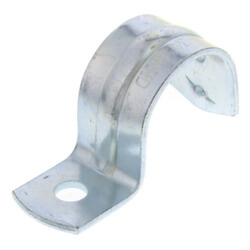
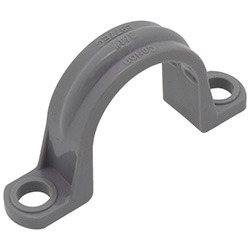
- EMT Conduit Straps: Steel straps sized to standard EMT trade diameters for direct wall or ceiling mounting of electrical metallic tubing runs. A common choice for short, straight runs along framing or masonry.
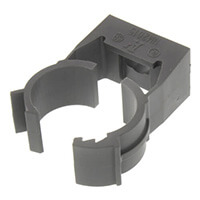
- PVC Conduit Clamps: Clamp-style fasteners built for rigid PVC conduit, made from plastic or coated steel that resists corrosion. Used where conduit runs are wet, buried, or exposed to chemicals that would rust an uncoated clamp.
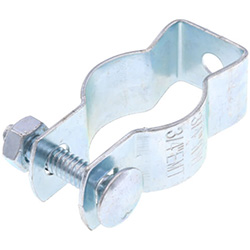
- Pipe Hangers: General-purpose hangers that support pipe and conduit runs from a rod or structural anchor point, commonly used for longer horizontal spans that a wall strap can't reach.
- Rigid/IMC Conduit Straps: Heavier steel straps matched to the wall thickness of rigid metal conduit (RMC) and intermediate metal conduit (IMC), used on exposed runs and in industrial settings where extra mechanical protection matters.
- Steel Conduit Hangers: Formed steel hangers used when a run needs more load capacity or a rod-mounted trapeze configuration to support multiple conduits together below a ceiling or across open framing.
Buying Guide
Deciding between a hanger and a simple strap starts with how the run is routed. A strap mounted flush to a wall or ceiling joist works for short, direct runs, while a rod-hung trapeze hanger is the better choice for longer spans or runs suspended below a ceiling with no direct surface to mount to.
Material and corrosion resistance matter as much as the mounting style. Plain steel is fine for dry, indoor electrical work, while coated steel or plastic hardware holds up in damp basements, exterior runs, or industrial spaces with chemical exposure.
The hanger or strap has to match the conduit's trade size, since an undersized fitting won't seat over the run and an oversized one leaves it loose. Checking the stated size range against the actual conduit diameter before ordering avoids a mismatch on site.
Fastener and anchor compatibility with the mounting substrate is worth confirming separately from the hanger itself. Wood framing, masonry, and steel studs each call for a different anchor or screw type, and most hangers and straps are sold without fasteners so the right one can be matched to the job.
Planning support spacing for the full run before starting work helps meet code and keeps the conduit from sagging between supports. Buying hangers and straps in matched quantities for a run, rather than one at a time, also keeps a job moving without a mid-installation supply trip.
Frequently Asked Questions
What's the difference between a conduit hanger and a conduit strap?
A strap mounts a conduit run directly to a wall or ceiling surface at each support point. A hanger typically suspends the conduit from a rod or structural anchor, which suits runs that aren't flush against a mounting surface.
How far apart should conduit supports be placed?
Support spacing is generally set by local electrical code and varies by conduit type and size, so checking the applicable code for the specific run is the right step before installation rather than guessing at an interval.
Which hanger works best for suspended or overhead runs?
Rod-mounted trapeze-style hangers are built for suspended runs, since they anchor to a structural point above the conduit rather than requiring a flush wall or ceiling surface.
Can the same hanger support both EMT and rigid conduit?
Some general-purpose hangers accommodate a range of diameters, but EMT and rigid/IMC conduit have different wall thicknesses, so checking the hanger's stated size range against the specific conduit type is the safer approach.
What corrosion-resistant options are available for outdoor conduit runs?
PVC-coated or plastic clamps and straps resist the rust that develops on uncoated steel in wet, buried, or chemically exposed outdoor installations.
Resources
Subcategories
- EMT Conduit Straps: Steel straps sized to standard EMT trade diameters for direct wall or ceiling mounting of electrical metallic tubing runs. A common choice for short, straight runs along framing or masonry.
- PVC Conduit Clamps: Clamp-style fasteners built for rigid PVC conduit, made from plastic or coated steel that resists corrosion. Used where conduit runs are wet, buried, or exposed to chemicals that would rust an uncoated clamp.
- Pipe Hangers: General-purpose hangers that support pipe and conduit runs from a rod or structural anchor point, commonly used for longer horizontal spans that a wall strap can't reach.
- Rigid/IMC Conduit Straps: Heavier steel straps matched to the wall thickness of rigid metal conduit (RMC) and intermediate metal conduit (IMC), used on exposed runs and in industrial settings where extra mechanical protection matters.
- Steel Conduit Hangers: Formed steel hangers used when a run needs more load capacity or a rod-mounted trapeze configuration to support multiple conduits together below a ceiling or across open framing.
Buying Guide
Deciding between a hanger and a simple strap starts with how the run is routed. A strap mounted flush to a wall or ceiling joist works for short, direct runs, while a rod-hung trapeze hanger is the better choice for longer spans or runs suspended below a ceiling with no direct surface to mount to.
Material and corrosion resistance matter as much as the mounting style. Plain steel is fine for dry, indoor electrical work, while coated steel or plastic hardware holds up in damp basements, exterior runs, or industrial spaces with chemical exposure.
The hanger or strap has to match the conduit's trade size, since an undersized fitting won't seat over the run and an oversized one leaves it loose. Checking the stated size range against the actual conduit diameter before ordering avoids a mismatch on site.
Fastener and anchor compatibility with the mounting substrate is worth confirming separately from the hanger itself. Wood framing, masonry, and steel studs each call for a different anchor or screw type, and most hangers and straps are sold without fasteners so the right one can be matched to the job.
Planning support spacing for the full run before starting work helps meet code and keeps the conduit from sagging between supports. Buying hangers and straps in matched quantities for a run, rather than one at a time, also keeps a job moving without a mid-installation supply trip.
Frequently Asked Questions
What's the difference between a conduit hanger and a conduit strap?
A strap mounts a conduit run directly to a wall or ceiling surface at each support point. A hanger typically suspends the conduit from a rod or structural anchor, which suits runs that aren't flush against a mounting surface.
How far apart should conduit supports be placed?
Support spacing is generally set by local electrical code and varies by conduit type and size, so checking the applicable code for the specific run is the right step before installation rather than guessing at an interval.
Which hanger works best for suspended or overhead runs?
Rod-mounted trapeze-style hangers are built for suspended runs, since they anchor to a structural point above the conduit rather than requiring a flush wall or ceiling surface.
Can the same hanger support both EMT and rigid conduit?
Some general-purpose hangers accommodate a range of diameters, but EMT and rigid/IMC conduit have different wall thicknesses, so checking the hanger's stated size range against the specific conduit type is the safer approach.
What corrosion-resistant options are available for outdoor conduit runs?
PVC-coated or plastic clamps and straps resist the rust that develops on uncoated steel in wet, buried, or chemically exposed outdoor installations.