




Filters
SORT
Product Availability –
Size –
Review Score –
 --%3E %3Csvg version='1.1' id='Fill' xmlns='http://www.w3.org/2000/svg' xmlns:xlink='http://www.w3.org/1999/xlink' x='0px' y='0px' viewBox='0 0 100 100' enable-background='new 0 0 100 100' xml:space='preserve'%3E %3Cpath fill='%23F15C02' d='M79.44,0.95H20.56C9.78,0.95,0.95,9.78,0.95,20.56v58.87c0,10.79,8.82,19.61,19.61,19.61h58.87 c10.79,0,19.61-8.83,19.61-19.61V20.56C99.05,9.78,90.22,0.95,79.44,0.95z M65.38,58.24l9.38,29.58L49.69,69.78L24.5,87.82 l9.34-29.6L8.8,39.6l30.73-0.17c0,0,6.98-19.61,10-28.93c0.54,1.36,9.88,29.1,9.88,29.1H91.2L65.38,58.24z'/%3E %3C/svg%3E)
Price Range –
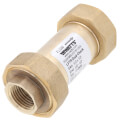
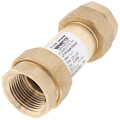
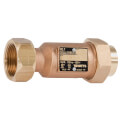
Copper Body Dual Check Valves (Watts LF7R)

 --%3E %3Csvg version='1.1' id='Half' xmlns='http://www.w3.org/2000/svg' xmlns:xlink='http://www.w3.org/1999/xlink' x='0px' y='0px' viewBox='0 0 100 100' enable-background='new 0 0 100 100' xml:space='preserve'%3E %3Cg%3E %3Cpath fill='%23F15C02' d='M30.05,70.23l3.79-12.01L8.8,39.6l30.73-0.17c0,0,6.98-19.61,10-28.93c0.54,1.36,9.88,29.1,9.88,29.1h1.58 L93.71,7.18c-3.58-3.82-8.66-6.23-14.28-6.23H20.56C9.78,0.95,0.95,9.78,0.95,20.56v58.87c0,5.41,2.22,10.32,5.79,13.88 L30.05,70.23z'/%3E %3C/g%3E %3Cpath fill='%23FBC8B4' d='M93.71,7.18L60.98,39.6H91.2L65.38,58.24l9.38,29.58L49.69,69.78L24.5,87.82l5.55-17.59L6.75,93.32 c3.55,3.54,8.44,5.73,13.82,5.73h58.87c10.79,0,19.61-8.83,19.61-19.61V20.56C99.05,15.4,97.01,10.69,93.71,7.18z'/%3E %3C/svg%3E)


 --%3E %3Csvg version='1.1' id='No-RB' xmlns='http://www.w3.org/2000/svg' xmlns:xlink='http://www.w3.org/1999/xlink' x='0px' y='0px' viewBox='0 0 100 100' enable-background='new 0 0 100 100' xml:space='preserve'%3E %3Cpath fill='%23CECECE' d='M79.44,0.95H20.56C9.78,0.95,0.95,9.78,0.95,20.56v58.87c0,10.79,8.82,19.61,19.61,19.61h58.87 c10.79,0,19.61-8.83,19.61-19.61V20.56C99.05,9.78,90.22,0.95,79.44,0.95z M65.38,58.24l9.38,29.58L49.69,69.78L24.5,87.82 l9.34-29.6L8.8,39.6l30.73-0.17c0,0,6.98-19.61,10-28.93c0.54,1.36,9.88,29.1,9.88,29.1H91.2L65.38,58.24z'/%3E %3C/svg%3E)


Copper body dual check valves are backflow prevention devices that use two independently operating check valves in a single copper housing to stop water from reversing direction in a potable water line. Each check valve seats independently, so if debris or wear prevents one from sealing completely, the second check still provides a barrier against backflow. The Watts LF7R design mounts in-line on copper piping and is commonly installed on water service lines, irrigation connections, and other applications requiring a basic degree of backflow protection rather than the higher protection level of a reduced pressure zone assembly. Its lead-free copper construction suits potable water applications where lead content in wetted components is restricted by code. Contractors select dual check valves for lower hazard applications where local code accepts this level of protection rather than a testable backflow preventer.
Subcategories
- Dual Check Valve Bodies: Dual check valve bodies house the two independent check mechanisms in a single copper casting, sized to match the pipe diameter of the water line where the valve installs. They come in a range of sizes to match residential and light commercial service line diameters. Selecting the body size that matches the existing pipe avoids the need for a bushing or reducer at installation.
- Test Cocks & Fittings: Some dual check valve configurations include test cocks that allow a technician to check each valve for proper closure, though many dual check assemblies are not field testable in the way a reduced pressure zone assembly is. Fittings connect the valve to the surrounding pipe using sweat, threaded, or union style connections. Confirming whether a specific installation requires a testable device or accepts a non-testable dual check depends on local code.
- Repair Kits & Seats: Repair kits contain the internal seats, springs, and seals that wear over time and can be replaced without removing the entire valve body from the line. Keeping the correct seat kit for the installed valve size on hand shortens a repair call when a check valve begins to weep or fails to hold. Matching the kit to the exact valve model avoids an incorrect fit.
- Union & Sweat Connections: Union connections allow the valve to be removed from the line for service without cutting the surrounding pipe, while sweat connections solder directly to copper pipe for a permanent joint. The choice between the two depends on whether future serviceability or a lower cost permanent connection matters more for the installation. Many contractors prefer union connections on devices that may need periodic testing or repair.
Buying Guide
Selecting a copper body dual check valve starts with confirming what level of backflow protection the installation requires under local plumbing code, since a dual check valve provides a lower level of protection than a reduced pressure zone assembly and is only appropriate for lower hazard applications. Checking with the local water authority or code official before installation confirms whether a dual check is acceptable for the specific service.
Pipe size is the next factor, since the valve body must match the diameter of the water line where it installs without a bushing or reducer changing the flow characteristics. Confirming the existing pipe size before ordering keeps the installation straightforward.
Connection type affects future serviceability. Union connections allow the valve to be removed for testing or repair without cutting the pipe, while sweat connections create a permanent joint that costs less initially but requires cutting the line for any future service. Applications where periodic inspection is expected benefit from a union connection.
Lead-free construction is required for any valve installed in a potable water system, and the Watts LF7R and comparable copper body dual checks are built to meet this requirement. Confirming lead-free certification on the valve's listing before purchase keeps the installation compliant with current plumbing code for potable water applications.
Frequently Asked Questions
What is the difference between a dual check valve and a reduced pressure zone assembly?
A dual check valve uses two check valves in series to resist backflow, while a reduced pressure zone assembly adds a relief valve between the checks that discharges water if either check fails to seal. The reduced pressure zone assembly provides a higher level of protection and is required for higher hazard applications where a dual check alone is not sufficient.
Where are copper body dual check valves typically installed?
They are commonly installed on water service lines, irrigation connections, and other lower hazard applications where local code accepts this level of backflow protection. Higher hazard connections typically require a reduced pressure zone assembly instead.
Can a dual check valve be tested in the field?
Many dual check valve configurations are not field testable in the same way a reduced pressure zone assembly is, since they lack the intermediate relief mechanism that provides a clear failure indication. Some models include test cocks that allow limited inspection of each check.
Is the Watts LF7R suitable for potable water lines?
The LF7R is built with lead-free copper construction to meet current requirements for components in contact with potable water. Confirming the specific model's lead-free certification on its listing verifies compliance before installation.
How often should a dual check valve be inspected?
Inspection frequency depends on local code and the application, though many jurisdictions recommend periodic visual inspection for leaks or weeping at the valve body. Union connected valves make this inspection and any needed service easier to perform.
