




Dip Tubes
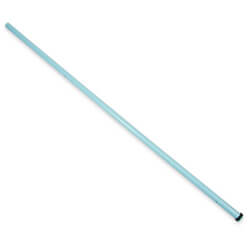
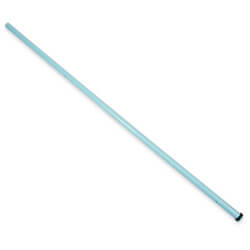
Dip tubes direct incoming cold water to the bottom of a water heater tank, keeping it from mixing with the heated water near the top of the tank. This category organizes replacement dip tubes by manufacturer, covering AO Smith, Amtrol, Bradford White, Rheem, Triangle Tube, and Weil McLain tanks.
A cracked or degraded dip tube lets cold water short-circuit to the hot outlet, reducing usable hot water even when the tank itself is heating properly. Matching the dip tube to the tank's exact fitting size and thread pattern is necessary for a proper seal at the cold inlet.





Subcategories
- AO Smith Dip Tubes: AO Smith dip tubes are sized to match the tank openings used across AO Smith residential and light-commercial water heater lines. Selecting the correct length keeps the tube outlet positioned near the tank bottom, which is what drives proper cold-water stratification. Contractors typically confirm the tank model number before ordering, since dip tube length differs between short and tall tank configurations.
- Amtrol Dip Tubes: Amtrol dip tubes are built for the tank fittings found on Amtrol water heaters and indirect storage tanks. A properly fitted tube prevents temperature stacking that can lead to lukewarm output at the tap even when the burner or element is cycling normally. Stocking a few common lengths saves a return trip on mixed-brand service routes.
- Bradford White Dip Tubes: Bradford White dip tubes match the tank thread pattern and nipple spacing used on Bradford White gas and electric water heaters. Replacing a brittle or eroded tube restores full recovery capacity and stops the cold-water bypass that shows up as reduced hot water volume. Bradford White's tank designs use a few standard lengths, so most jobs call for one of two common part numbers.
- Rheem Dip Tubes: Rheem dip tubes fit the cold-water inlet nipple on Rheem residential tanks, directing incoming water to the base of the tank for efficient heating. A cracked tube is a frequent cause of reduced hot water delivery on units that otherwise test fine electrically or mechanically. Techs commonly pull the tube during anode rod service since both parts share the same access point.
- Triangle Tube Dip Tubes: Triangle Tube dip tubes are sized for the indirect and combination water heater tanks Triangle Tube manufactures for hydronic systems. Correct placement keeps the incoming makeup water from mixing prematurely with stored hot water, preserving usable capacity. Because Triangle Tube tanks are often paired with a boiler, technicians usually service the dip tube during a broader system maintenance visit rather than as a standalone call.
- Weil Mclain Dip Tubes: Weil McLain dip tubes are made for the tank connections on Weil McLain water heaters and indirect tanks used in residential and light-commercial hydronic setups. Swapping a degraded tube restores proper thermal layering inside the tank and can resolve complaints of water that runs hot then cold at the fixture. Matching the tube length to the specific tank model keeps the outlet at the correct depth.
Buying Guide
Choosing the right dip tube starts with identifying the water heater's brand, tank size, and whether the unit is gas, electric, or indirect. Tube length is the single most important spec, since a tube that is too short lets cold water mix near the top of the tank, while one that is too long can interfere with the heating element or flue baffle.
Thread size and connection style matter almost as much as length. Most residential tanks use a standard nipple thread, but some commercial and indirect tanks use a different fitting or a dielectric union that changes how the tube seats. Pulling the tank's model and serial number before ordering removes most of the guesswork.
Material selection depends on water conditions and operating temperature. Standard polypropylene tubes handle typical residential temperatures, while reinforced or cross-linked polyethylene tubes hold up better in hard water or in tanks that run at the higher end of their temperature range. A tube rated below the tank's maximum operating temperature will degrade faster and need replacement sooner.
Symptoms that point to a failed dip tube include lukewarm water that turns cold quickly, sediment or plastic fragments in the hot water line, or a noticeable drop in usable hot water volume without a change in tank size or usage. Ruling out the thermostat, element, or gas valve first narrows the diagnosis before ordering a replacement part.
Stocking a small range of common lengths and thread configurations covers most calls on a mixed-brand route, since dip tube designs are fairly standardized within a manufacturer's tank lineup. Confirming fit against the removed part, rather than the tank's age alone, avoids a second trip for a mismatched length.
Frequently Asked Questions
How do I know if a dip tube has failed?
The most common sign is hot water that starts warm and quickly turns lukewarm or cold, even though the tank has plenty of recovery time. Finding small white or gray plastic flakes in the hot water line or aerators is another strong indicator, since older dip tubes can shed material as they degrade.
Can a dip tube be repaired instead of replaced?
No, a cracked or eroded dip tube is a low-cost part that gets replaced rather than patched. Attempting a temporary fix rarely holds under the tank's operating pressure and temperature.
Does dip tube length vary by tank brand?
Yes, length varies by brand, tank height, and sometimes by model year, so matching the replacement to the original part number is the most reliable method. Measuring the removed tube is a good backup when the part number isn't available.
Is a universal dip tube a safe substitute for a brand-specific part?
A universal or adjustable-length tube can work in many tanks, but it needs to be trimmed to the exact depth the manufacturer specifies. Getting that measurement wrong reintroduces the same cold-water mixing problem the replacement was meant to fix.
How often should dip tubes be replaced?
There's no fixed replacement interval, since dip tube life depends on water hardness, operating temperature, and material quality. Checking the tube during routine anode rod service or whenever hot water output drops is a practical way to catch a failing tube early.
Resources
Subcategories
- AO Smith Dip Tubes: AO Smith dip tubes are sized to match the tank openings used across AO Smith residential and light-commercial water heater lines. Selecting the correct length keeps the tube outlet positioned near the tank bottom, which is what drives proper cold-water stratification. Contractors typically confirm the tank model number before ordering, since dip tube length differs between short and tall tank configurations.
- Amtrol Dip Tubes: Amtrol dip tubes are built for the tank fittings found on Amtrol water heaters and indirect storage tanks. A properly fitted tube prevents temperature stacking that can lead to lukewarm output at the tap even when the burner or element is cycling normally. Stocking a few common lengths saves a return trip on mixed-brand service routes.
- Bradford White Dip Tubes: Bradford White dip tubes match the tank thread pattern and nipple spacing used on Bradford White gas and electric water heaters. Replacing a brittle or eroded tube restores full recovery capacity and stops the cold-water bypass that shows up as reduced hot water volume. Bradford White's tank designs use a few standard lengths, so most jobs call for one of two common part numbers.
- Rheem Dip Tubes: Rheem dip tubes fit the cold-water inlet nipple on Rheem residential tanks, directing incoming water to the base of the tank for efficient heating. A cracked tube is a frequent cause of reduced hot water delivery on units that otherwise test fine electrically or mechanically. Techs commonly pull the tube during anode rod service since both parts share the same access point.
- Triangle Tube Dip Tubes: Triangle Tube dip tubes are sized for the indirect and combination water heater tanks Triangle Tube manufactures for hydronic systems. Correct placement keeps the incoming makeup water from mixing prematurely with stored hot water, preserving usable capacity. Because Triangle Tube tanks are often paired with a boiler, technicians usually service the dip tube during a broader system maintenance visit rather than as a standalone call.
- Weil Mclain Dip Tubes: Weil McLain dip tubes are made for the tank connections on Weil McLain water heaters and indirect tanks used in residential and light-commercial hydronic setups. Swapping a degraded tube restores proper thermal layering inside the tank and can resolve complaints of water that runs hot then cold at the fixture. Matching the tube length to the specific tank model keeps the outlet at the correct depth.
Buying Guide
Choosing the right dip tube starts with identifying the water heater's brand, tank size, and whether the unit is gas, electric, or indirect. Tube length is the single most important spec, since a tube that is too short lets cold water mix near the top of the tank, while one that is too long can interfere with the heating element or flue baffle.
Thread size and connection style matter almost as much as length. Most residential tanks use a standard nipple thread, but some commercial and indirect tanks use a different fitting or a dielectric union that changes how the tube seats. Pulling the tank's model and serial number before ordering removes most of the guesswork.
Material selection depends on water conditions and operating temperature. Standard polypropylene tubes handle typical residential temperatures, while reinforced or cross-linked polyethylene tubes hold up better in hard water or in tanks that run at the higher end of their temperature range. A tube rated below the tank's maximum operating temperature will degrade faster and need replacement sooner.
Symptoms that point to a failed dip tube include lukewarm water that turns cold quickly, sediment or plastic fragments in the hot water line, or a noticeable drop in usable hot water volume without a change in tank size or usage. Ruling out the thermostat, element, or gas valve first narrows the diagnosis before ordering a replacement part.
Stocking a small range of common lengths and thread configurations covers most calls on a mixed-brand route, since dip tube designs are fairly standardized within a manufacturer's tank lineup. Confirming fit against the removed part, rather than the tank's age alone, avoids a second trip for a mismatched length.
Frequently Asked Questions
How do I know if a dip tube has failed?
The most common sign is hot water that starts warm and quickly turns lukewarm or cold, even though the tank has plenty of recovery time. Finding small white or gray plastic flakes in the hot water line or aerators is another strong indicator, since older dip tubes can shed material as they degrade.
Can a dip tube be repaired instead of replaced?
No, a cracked or eroded dip tube is a low-cost part that gets replaced rather than patched. Attempting a temporary fix rarely holds under the tank's operating pressure and temperature.
Does dip tube length vary by tank brand?
Yes, length varies by brand, tank height, and sometimes by model year, so matching the replacement to the original part number is the most reliable method. Measuring the removed tube is a good backup when the part number isn't available.
Is a universal dip tube a safe substitute for a brand-specific part?
A universal or adjustable-length tube can work in many tanks, but it needs to be trimmed to the exact depth the manufacturer specifies. Getting that measurement wrong reintroduces the same cold-water mixing problem the replacement was meant to fix.
How often should dip tubes be replaced?
There's no fixed replacement interval, since dip tube life depends on water hardness, operating temperature, and material quality. Checking the tube during routine anode rod service or whenever hot water output drops is a practical way to catch a failing tube early.