




Filters
SORT
Product Availability –
Review Score –
 --%3E %3Csvg version='1.1' id='Fill' xmlns='http://www.w3.org/2000/svg' xmlns:xlink='http://www.w3.org/1999/xlink' x='0px' y='0px' viewBox='0 0 100 100' enable-background='new 0 0 100 100' xml:space='preserve'%3E %3Cpath fill='%23F15C02' d='M79.44,0.95H20.56C9.78,0.95,0.95,9.78,0.95,20.56v58.87c0,10.79,8.82,19.61,19.61,19.61h58.87 c10.79,0,19.61-8.83,19.61-19.61V20.56C99.05,9.78,90.22,0.95,79.44,0.95z M65.38,58.24l9.38,29.58L49.69,69.78L24.5,87.82 l9.34-29.6L8.8,39.6l30.73-0.17c0,0,6.98-19.61,10-28.93c0.54,1.36,9.88,29.1,9.88,29.1H91.2L65.38,58.24z'/%3E %3C/svg%3E)
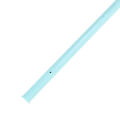
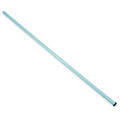
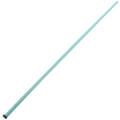
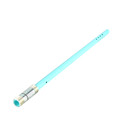
AO Smith Dip Tubes

 --%3E %3Csvg version='1.1' id='No-RB' xmlns='http://www.w3.org/2000/svg' xmlns:xlink='http://www.w3.org/1999/xlink' x='0px' y='0px' viewBox='0 0 100 100' enable-background='new 0 0 100 100' xml:space='preserve'%3E %3Cpath fill='%23CECECE' d='M79.44,0.95H20.56C9.78,0.95,0.95,9.78,0.95,20.56v58.87c0,10.79,8.82,19.61,19.61,19.61h58.87 c10.79,0,19.61-8.83,19.61-19.61V20.56C99.05,9.78,90.22,0.95,79.44,0.95z M65.38,58.24l9.38,29.58L49.69,69.78L24.5,87.82 l9.34-29.6L8.8,39.6l30.73-0.17c0,0,6.98-19.61,10-28.93c0.54,1.36,9.88,29.1,9.88,29.1H91.2L65.38,58.24z'/%3E %3C/svg%3E)


 --%3E %3Csvg version='1.1' id='Half' xmlns='http://www.w3.org/2000/svg' xmlns:xlink='http://www.w3.org/1999/xlink' x='0px' y='0px' viewBox='0 0 100 100' enable-background='new 0 0 100 100' xml:space='preserve'%3E %3Cg%3E %3Cpath fill='%23F15C02' d='M30.05,70.23l3.79-12.01L8.8,39.6l30.73-0.17c0,0,6.98-19.61,10-28.93c0.54,1.36,9.88,29.1,9.88,29.1h1.58 L93.71,7.18c-3.58-3.82-8.66-6.23-14.28-6.23H20.56C9.78,0.95,0.95,9.78,0.95,20.56v58.87c0,5.41,2.22,10.32,5.79,13.88 L30.05,70.23z'/%3E %3C/g%3E %3Cpath fill='%23FBC8B4' d='M93.71,7.18L60.98,39.6H91.2L65.38,58.24l9.38,29.58L49.69,69.78L24.5,87.82l5.55-17.59L6.75,93.32 c3.55,3.54,8.44,5.73,13.82,5.73h58.87c10.79,0,19.61-8.83,19.61-19.61V20.56C99.05,15.4,97.01,10.69,93.71,7.18z'/%3E %3C/svg%3E)
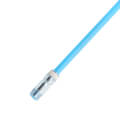
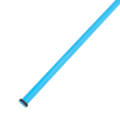

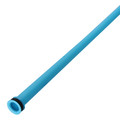
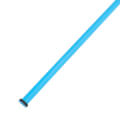
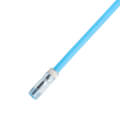
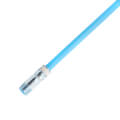
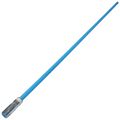
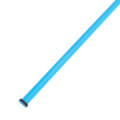
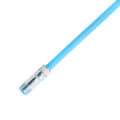
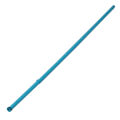
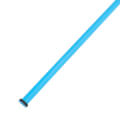

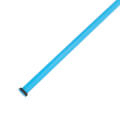
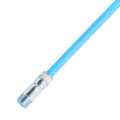
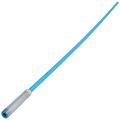
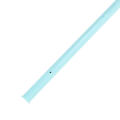
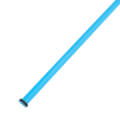
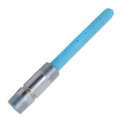
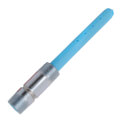
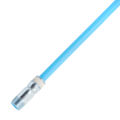

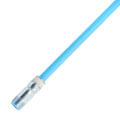
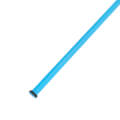
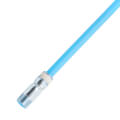
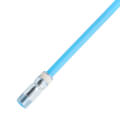
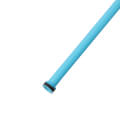

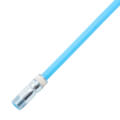
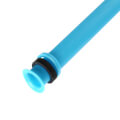
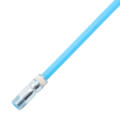

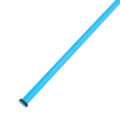
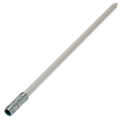
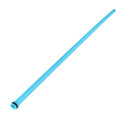
AO Smith Dip Tubes are the plastic tubes that carry incoming cold water to the bottom of an A.O. Smith water heater tank, keeping cold water from mixing with the already heated water near the top where the outlet draws from. A.O. Smith, which traces its water heater manufacturing back to a 1936 glass-lining patent for tank interiors and now builds its largest water heater factory in Ashland City, Tennessee, sizes dip tubes to match specific tank diameters and connection styles rather than a single universal length. A dip tube that's too short lets incoming cold water mix with hot water near the outlet, reducing the effective hot water supply even though the tank itself is functioning normally. Confirming tank size and connection type before ordering keeps a dip tube replacement restoring full hot water capacity instead of only partially fixing the problem.
Subcategories
- Standard Dip Tubes: Standard dip tubes are straight plastic tubes cut to a length matched to the tank's height, so the tube reaches close to the bottom of the tank without touching it. A dip tube cut too short is one of the more common causes of reduced hot water output on an otherwise functioning water heater, since cold water starts mixing with hot water higher up in the tank. Length is measured from the top of the inlet fitting to the tube's open end, not from the tank's exterior height. Measuring the original tube, rather than assuming length from tank capacity alone, is the more reliable way to order a correct replacement.
- Anti-Siphon Dip Tubes: Anti-siphon dip tubes include a small air gap or hole near the top of the tube, positioned to break suction and prevent water from siphoning backward out of the tank during a pressure drop in the supply line. This design detail matters most in areas where local plumbing code requires backflow prevention at the water heater, or on installations without a separate check valve on the cold inlet. An anti-siphon tube installed where a standard tube previously worked without issue can sometimes introduce a faint gurgling sound during operation, which is a normal side effect of the air gap rather than a defect. Confirming whether the original tube had this feature helps match the replacement's function, not just its length.
- Threaded Connection Dip Tubes: Threaded connection dip tubes are built with a specific fitting style at the top end to seal against the tank's cold water inlet nipple, and that fitting style varies across A.O. Smith tank generations. A dip tube with the correct tube length but a mismatched thread or seal style at the top can leak at the inlet connection even after installation appears complete. Some dip tube and inlet nipple combinations use a compression-style seal rather than a threaded one, which changes how the tube seats during installation. Matching the connection style to the tank's inlet fitting, in addition to tube length, is necessary for a leak-free replacement.
Buying Guide
AO Smith Dip Tubes are sized and styled to match a specific tank generation, so a replacement order works best when it starts with measurements and details from the failed tube rather than the water heater's overall capacity. Length is the most common variable, and a tube cut even a few inches short reduces effective hot water output by letting cold water mix into the tank higher than intended, a problem that can look like a failing heating element or thermostat if the dip tube itself isn't checked first. Anti-siphon dip tubes add a small air gap or hole near the top to prevent backflow during a supply pressure drop, a feature required in some jurisdictions and useful on installations without a separate check valve, so confirming whether the original tube included this feature keeps the replacement's function consistent with the installation's code requirements. Connection style at the top of the tube varies across A.O. Smith tank generations, with some using a threaded seal against the inlet nipple and others using a compression-style fit, and a tube with the correct length but the wrong connection style can still leak at the inlet even when it appears fully seated. Measuring the removed tube's length and noting its top connection style, rather than ordering by tank model number alone, is the most reliable way to get a dip tube that restores full hot water capacity on the first try.
Frequently Asked Questions
How do I know if a dip tube is causing reduced hot water output?
Reduced hot water with an otherwise functioning heating element or burner often points to a dip tube that's cracked or cut too short, letting cold water mix in higher up in the tank. Removing and inspecting the tube confirms whether it's the cause.
What does an anti-siphon dip tube do differently from a standard tube?
It includes a small air gap or hole near the top that breaks suction and prevents water from siphoning backward out of the tank during a pressure drop in the supply line. Some installations require this feature by local plumbing code.
Why would a new dip tube still leak after installation?
A mismatch in connection style at the top of the tube, threaded versus compression-style, can leak at the inlet fitting even when the tube length is correct. Matching connection style, not just length, prevents this.
Can I determine the correct dip tube length from the tank's model number alone?
Model number is a starting point, but measuring the original tube's length directly is more reliable, since dip tube length is based on tank height and inlet fitting position rather than model number alone.
Is a faint gurgling sound after installing a new dip tube a problem?
Not necessarily. An anti-siphon dip tube's air gap can produce a faint gurgling sound during normal operation, which is a side effect of the design rather than a sign of a defective part.
