




Drivers & Keys
Drivers and keys cover the hand tools used to turn hex, Phillips, and slotted fasteners commonly found on HVAC and plumbing equipment. The category includes fixed-shank hex and nut drivers, L-shaped and T-handle hex keys, and general-purpose screwdrivers.
Keeping a full set of hex drivers and keys on a service truck covers most access panel and equipment fasteners encountered in the field. Screwdrivers remain a daily-use tool across nearly every trade, making a quality set worth the investment over cheaper alternatives that strip fastener heads.

Subcategories
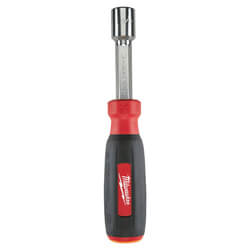
- HEX and Nut Drivers: Fixed-shank tools with a hollow hex socket tip sized to turn hex-head nuts and bolts without needing pliers on the fastener's flats. Common on HVAC sheet metal screws, access panel fasteners, and electrical terminal screws.
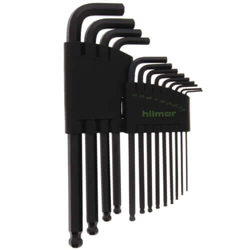
- Hex Keys: L-shaped or T-handle wrenches that fit into a hex-socket fastener head. Used on set screws, blower wheels, and equipment where a compact tool is needed to reach a recessed fastener that a nut driver can't turn.
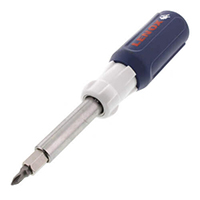
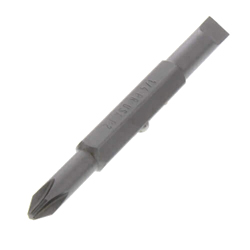
- Screwdrivers: Slotted, Phillips, and square-drive tools for general fastener work. Used across HVAC and plumbing wherever equipment panels, terminal screws, or wood screws call for a bladed tip instead of a hex socket.
Buying Guide
Matching the driver type to the fastener head is the starting point. A hex-head nut or bolt needs a nut driver, a recessed hex socket needs a hex key, and a slotted or Phillips screw needs the matching screwdriver tip, so mixing these up wastes time and can strip the fastener.
For a service van, a full set covering the common size range for each tool type usually pays off over buying single sizes as jobs come up. Individual tools still make sense for filling in one odd size that a set doesn't cover or replacing a single worn piece.
Tip material determines how long a driver lasts under daily use. Hardened chrome vanadium steel resists rounding off and twisting under torque better than basic carbon steel, which matters most on fasteners that get removed and reinstalled repeatedly.
Handle features like a magnetic tip, a cushioned grip, or color-coded size markings speed up work on service calls where fasteners are small and a dropped screw can be hard to find. These features add convenience without changing how the tool turns a fastener.
Storage matters as much as the tools themselves for a crew running multiple service calls a day. A pouch, roll, or rack that keeps drivers and keys sorted by size cuts down on the time spent searching a toolbox mid-job.
Frequently Asked Questions
What's the difference between a nut driver and a hex key?
A nut driver has a fixed shank with a hollow hex socket tip built to turn an external hex-head nut or bolt. A hex key is an L-shaped or T-handle wrench that fits into a recessed hex socket on the fastener itself.
When should a screwdriver be used instead of a nut driver?
A screwdriver is the right tool whenever the fastener has a slotted or Phillips head rather than a hex shape, since a nut driver's socket tip has nothing to grip on a bladed screw head.
Are magnetic-tip drivers worth it for HVAC work?
A magnetic tip helps hold small screws in place while starting them, which is useful when working in tight equipment cabinets or overhead where a dropped fastener is hard to retrieve.
How are hex key sizes measured?
Hex keys are sized by the distance across the flats of the hexagonal shaft, usually in fractions of an inch or millimeters, and that measurement has to match the fastener's socket size exactly to seat properly.
Should a full set or individual sizes be purchased?
A set covering the common size range makes sense for a service van handling varied equipment, while individual tools work better for replacing one worn piece or filling in a size a set doesn't include.
Resources
Subcategories
- HEX and Nut Drivers: Fixed-shank tools with a hollow hex socket tip sized to turn hex-head nuts and bolts without needing pliers on the fastener's flats. Common on HVAC sheet metal screws, access panel fasteners, and electrical terminal screws.
- Hex Keys: L-shaped or T-handle wrenches that fit into a hex-socket fastener head. Used on set screws, blower wheels, and equipment where a compact tool is needed to reach a recessed fastener that a nut driver can't turn.
- Screwdrivers: Slotted, Phillips, and square-drive tools for general fastener work. Used across HVAC and plumbing wherever equipment panels, terminal screws, or wood screws call for a bladed tip instead of a hex socket.
Buying Guide
Matching the driver type to the fastener head is the starting point. A hex-head nut or bolt needs a nut driver, a recessed hex socket needs a hex key, and a slotted or Phillips screw needs the matching screwdriver tip, so mixing these up wastes time and can strip the fastener.
For a service van, a full set covering the common size range for each tool type usually pays off over buying single sizes as jobs come up. Individual tools still make sense for filling in one odd size that a set doesn't cover or replacing a single worn piece.
Tip material determines how long a driver lasts under daily use. Hardened chrome vanadium steel resists rounding off and twisting under torque better than basic carbon steel, which matters most on fasteners that get removed and reinstalled repeatedly.
Handle features like a magnetic tip, a cushioned grip, or color-coded size markings speed up work on service calls where fasteners are small and a dropped screw can be hard to find. These features add convenience without changing how the tool turns a fastener.
Storage matters as much as the tools themselves for a crew running multiple service calls a day. A pouch, roll, or rack that keeps drivers and keys sorted by size cuts down on the time spent searching a toolbox mid-job.
Frequently Asked Questions
What's the difference between a nut driver and a hex key?
A nut driver has a fixed shank with a hollow hex socket tip built to turn an external hex-head nut or bolt. A hex key is an L-shaped or T-handle wrench that fits into a recessed hex socket on the fastener itself.
When should a screwdriver be used instead of a nut driver?
A screwdriver is the right tool whenever the fastener has a slotted or Phillips head rather than a hex shape, since a nut driver's socket tip has nothing to grip on a bladed screw head.
Are magnetic-tip drivers worth it for HVAC work?
A magnetic tip helps hold small screws in place while starting them, which is useful when working in tight equipment cabinets or overhead where a dropped fastener is hard to retrieve.
How are hex key sizes measured?
Hex keys are sized by the distance across the flats of the hexagonal shaft, usually in fractions of an inch or millimeters, and that measurement has to match the fastener's socket size exactly to seat properly.
Should a full set or individual sizes be purchased?
A set covering the common size range makes sense for a service van handling varied equipment, while individual tools work better for replacing one worn piece or filling in a size a set doesn't include.