



Hand Tools
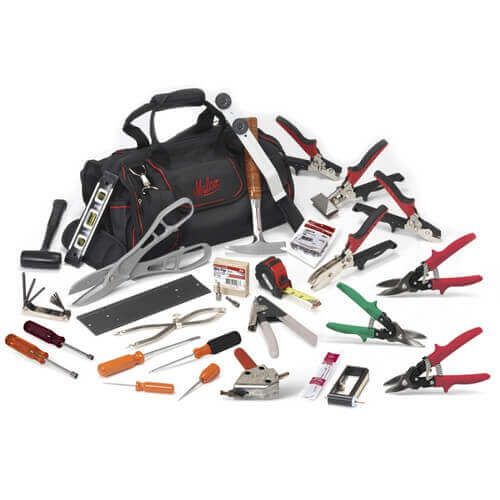
Hand tools cover the general-purpose equipment tradespeople use across HVAC, plumbing, and electrical work, from breaker bars for stuck fasteners to deburring tools that clean up cut pipe and conduit edges. Inspection mirrors and knives round out the category for everyday jobsite tasks.
Keeping a well-rounded hand tool selection on a service truck covers the small tasks that come up on nearly every job, from clearing a burr on a fresh cut to inspecting behind equipment in tight spaces. Quality hand tools also hold up better to daily use than budget alternatives.

Subcategories
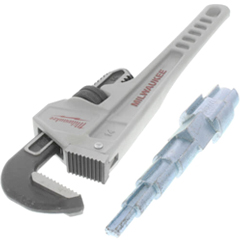
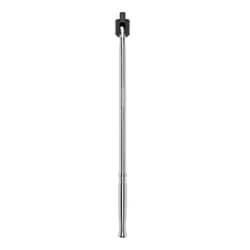
- Breaker Bars: Breaker bars deliver extra leverage on stuck fasteners, fittings, and shutoff valves that a standard wrench cannot budge. The long handle multiplies applied force, which makes them useful on corroded pipe fittings and seized bolts encountered in older buildings.
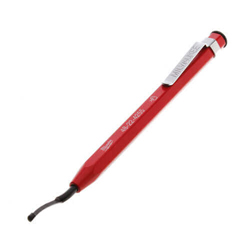
- Deburring Tools: Deburring tools clean up the rough edge left after cutting metal or plastic pipe, removing the burr that can catch debris or damage a seal during assembly. A quick pass before joining a fitting helps a connection seat properly the first time.
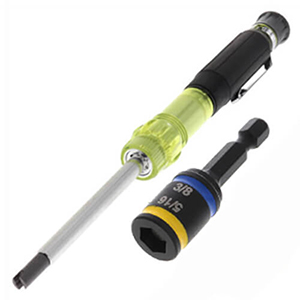
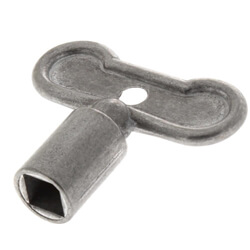
- Drivers & Keys: Drivers and keys cover the hex keys, nut drivers, and specialty bits used to adjust set screws, access panels, and equipment fasteners that a standard screwdriver will not reach. Keeping a range of sizes on hand covers most HVAC and appliance service calls.
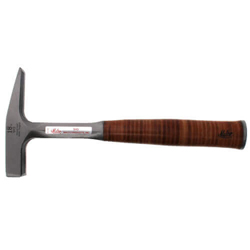
- Hammers: Hammers in a trade kit range from lightweight tack hammers for delicate work to heavier ball-peen and framing hammers for driving stakes, setting fasteners, or freeing a stuck fitting. Handle material and head weight both affect control on repetitive tasks.
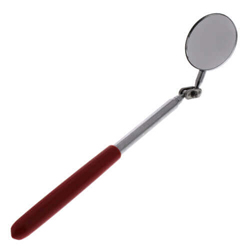
- Inspection Mirrors: Inspection mirrors extend a technician's view into tight spaces behind equipment, inside wall cavities, or under fixtures where a direct look is not possible. A telescoping handle and an angled, shatter-resistant mirror head are common features.
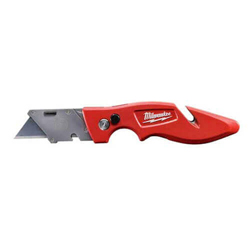
- Knives: Knives cover utility and folding blades used for scoring gasket material, opening packaging, trimming insulation, and general cutting tasks on a job site. A locking blade and a comfortable grip matter for repeated use throughout the day.
Buying Guide
Match the tool to the material it will meet most often. A deburring tool suited for copper tubing will not necessarily hold an edge against PVC or cast iron, so checking the manufacturer's material rating before ordering saves a return trip to the supplier.
Handle material affects both comfort and durability. Fiberglass and composite handles resist cracking under repeated impact better than plain wood on hammers and breaker bars, which matters for tools used daily rather than occasionally.
Consider grip design for tools used for long stretches, such as knives and nut drivers. A contoured, non-slip grip reduces hand fatigue on a long service day and improves control in wet or greasy conditions common on plumbing and HVAC calls.
Storage and organization matter as much as the tool itself when building out Hand Tools for a service truck. A dedicated pouch or roll keeps drivers, keys, and small items sorted and prevents a quick search through a toolbox on every call.
Buy a size range rather than a single tool where possible, particularly for drivers, keys, and breaker bars. Fasteners and fittings vary across the equipment brands a technician services, and one odd size that is missing from the truck turns a five-minute task into a delay.
Frequently Asked Questions
What is the difference between a breaker bar and a standard wrench handle?
A breaker bar has a longer handle and no ratcheting mechanism, built specifically to apply extra torque to a stuck fastener, while a standard wrench handle is shorter and meant for routine turning rather than breaking loose a seized connection.
Do deburring tools work on both metal and plastic pipe?
Many deburring tools are rated for multiple materials, but checking the specific tool's rating against the pipe material in use is worthwhile, since a blade suited for copper may not clean a PVC edge as cleanly.
How many hex key sizes should a technician carry for HVAC service calls?
A full metric and standard set covers most equipment access panels and set screws, though many technicians keep a smaller subset of the most commonly used sizes in a quick-access pouch for faster calls.
What handle material holds up best on a hammer used daily?
Fiberglass and steel-core composite handles generally outlast wood under repeated daily impact, resisting the cracking and splintering that wood handles are prone to over time.
Are folding knives allowed on most job sites?
Most commercial and residential job sites allow folding utility knives for trade work, though some facilities restrict blade length or require a specific locking mechanism, so checking site rules before a scheduled visit is good practice.
Resources
Subcategories
- Breaker Bars: Breaker bars deliver extra leverage on stuck fasteners, fittings, and shutoff valves that a standard wrench cannot budge. The long handle multiplies applied force, which makes them useful on corroded pipe fittings and seized bolts encountered in older buildings.
- Deburring Tools: Deburring tools clean up the rough edge left after cutting metal or plastic pipe, removing the burr that can catch debris or damage a seal during assembly. A quick pass before joining a fitting helps a connection seat properly the first time.
- Drivers & Keys: Drivers and keys cover the hex keys, nut drivers, and specialty bits used to adjust set screws, access panels, and equipment fasteners that a standard screwdriver will not reach. Keeping a range of sizes on hand covers most HVAC and appliance service calls.
- Hammers: Hammers in a trade kit range from lightweight tack hammers for delicate work to heavier ball-peen and framing hammers for driving stakes, setting fasteners, or freeing a stuck fitting. Handle material and head weight both affect control on repetitive tasks.
- Inspection Mirrors: Inspection mirrors extend a technician's view into tight spaces behind equipment, inside wall cavities, or under fixtures where a direct look is not possible. A telescoping handle and an angled, shatter-resistant mirror head are common features.
- Knives: Knives cover utility and folding blades used for scoring gasket material, opening packaging, trimming insulation, and general cutting tasks on a job site. A locking blade and a comfortable grip matter for repeated use throughout the day.
Buying Guide
Match the tool to the material it will meet most often. A deburring tool suited for copper tubing will not necessarily hold an edge against PVC or cast iron, so checking the manufacturer's material rating before ordering saves a return trip to the supplier.
Handle material affects both comfort and durability. Fiberglass and composite handles resist cracking under repeated impact better than plain wood on hammers and breaker bars, which matters for tools used daily rather than occasionally.
Consider grip design for tools used for long stretches, such as knives and nut drivers. A contoured, non-slip grip reduces hand fatigue on a long service day and improves control in wet or greasy conditions common on plumbing and HVAC calls.
Storage and organization matter as much as the tool itself when building out Hand Tools for a service truck. A dedicated pouch or roll keeps drivers, keys, and small items sorted and prevents a quick search through a toolbox on every call.
Buy a size range rather than a single tool where possible, particularly for drivers, keys, and breaker bars. Fasteners and fittings vary across the equipment brands a technician services, and one odd size that is missing from the truck turns a five-minute task into a delay.
Frequently Asked Questions
What is the difference between a breaker bar and a standard wrench handle?
A breaker bar has a longer handle and no ratcheting mechanism, built specifically to apply extra torque to a stuck fastener, while a standard wrench handle is shorter and meant for routine turning rather than breaking loose a seized connection.
Do deburring tools work on both metal and plastic pipe?
Many deburring tools are rated for multiple materials, but checking the specific tool's rating against the pipe material in use is worthwhile, since a blade suited for copper may not clean a PVC edge as cleanly.
How many hex key sizes should a technician carry for HVAC service calls?
A full metric and standard set covers most equipment access panels and set screws, though many technicians keep a smaller subset of the most commonly used sizes in a quick-access pouch for faster calls.
What handle material holds up best on a hammer used daily?
Fiberglass and steel-core composite handles generally outlast wood under repeated daily impact, resisting the cracking and splintering that wood handles are prone to over time.
Are folding knives allowed on most job sites?
Most commercial and residential job sites allow folding utility knives for trade work, though some facilities restrict blade length or require a specific locking mechanism, so checking site rules before a scheduled visit is good practice.