




Filters
SORT
Product Availability –
Number Of Outlets –
Review Score –
 --%3E %3Csvg version='1.1' id='Fill' xmlns='http://www.w3.org/2000/svg' xmlns:xlink='http://www.w3.org/1999/xlink' x='0px' y='0px' viewBox='0 0 100 100' enable-background='new 0 0 100 100' xml:space='preserve'%3E %3Cpath fill='%23F15C02' d='M79.44,0.95H20.56C9.78,0.95,0.95,9.78,0.95,20.56v58.87c0,10.79,8.82,19.61,19.61,19.61h58.87 c10.79,0,19.61-8.83,19.61-19.61V20.56C99.05,9.78,90.22,0.95,79.44,0.95z M65.38,58.24l9.38,29.58L49.69,69.78L24.5,87.82 l9.34-29.6L8.8,39.6l30.73-0.17c0,0,6.98-19.61,10-28.93c0.54,1.36,9.88,29.1,9.88,29.1H91.2L65.38,58.24z'/%3E %3C/svg%3E)
Price Range –
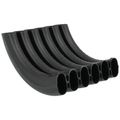
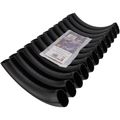
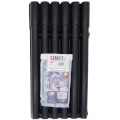
EZ Route PEX Routing


 --%3E %3Csvg version='1.1' id='Half' xmlns='http://www.w3.org/2000/svg' xmlns:xlink='http://www.w3.org/1999/xlink' x='0px' y='0px' viewBox='0 0 100 100' enable-background='new 0 0 100 100' xml:space='preserve'%3E %3Cg%3E %3Cpath fill='%23F15C02' d='M30.05,70.23l3.79-12.01L8.8,39.6l30.73-0.17c0,0,6.98-19.61,10-28.93c0.54,1.36,9.88,29.1,9.88,29.1h1.58 L93.71,7.18c-3.58-3.82-8.66-6.23-14.28-6.23H20.56C9.78,0.95,0.95,9.78,0.95,20.56v58.87c0,5.41,2.22,10.32,5.79,13.88 L30.05,70.23z'/%3E %3C/g%3E %3Cpath fill='%23FBC8B4' d='M93.71,7.18L60.98,39.6H91.2L65.38,58.24l9.38,29.58L49.69,69.78L24.5,87.82l5.55-17.59L6.75,93.32 c3.55,3.54,8.44,5.73,13.82,5.73h58.87c10.79,0,19.61-8.83,19.61-19.61V20.56C99.05,15.4,97.01,10.69,93.71,7.18z'/%3E %3C/svg%3E)


 --%3E %3Csvg version='1.1' id='No-RB' xmlns='http://www.w3.org/2000/svg' xmlns:xlink='http://www.w3.org/1999/xlink' x='0px' y='0px' viewBox='0 0 100 100' enable-background='new 0 0 100 100' xml:space='preserve'%3E %3Cpath fill='%23CECECE' d='M79.44,0.95H20.56C9.78,0.95,0.95,9.78,0.95,20.56v58.87c0,10.79,8.82,19.61,19.61,19.61h58.87 c10.79,0,19.61-8.83,19.61-19.61V20.56C99.05,9.78,90.22,0.95,79.44,0.95z M65.38,58.24l9.38,29.58L49.69,69.78L24.5,87.82 l9.34-29.6L8.8,39.6l30.73-0.17c0,0,6.98-19.61,10-28.93c0.54,1.36,9.88,29.1,9.88,29.1H91.2L65.38,58.24z'/%3E %3C/svg%3E)


EZ Route PEX routing products protect and guide PEX tubing as it passes through wall studs, floor joists, and top plates, keeping the line away from nail and screw penetrations that could puncture it later. The system typically combines a protective channel or plate installed over the routed path with matching drill guides that keep holes centered and consistent size along a run. Plumbers use these products most often on new construction and remodel work where PEX runs through framing members over long distances, since a consistently routed line is easier to trace and repair later if a leak develops. Standardizing hole placement and depth across a job also speeds up rough-in inspections, since the routing pattern is predictable from stud to stud. Choosing the right routing components for the tubing size on a given job keeps the installation both faster to run and safer from accidental damage during later framing or finish work.
Subcategories
- Routing Plates & Nail Guards: Routing plates and nail guards install over a drilled hole or routed channel to shield the PEX tubing from drywall screws, baseboard nails, and other fasteners driven into the framing later in the build. They are sized to common stud and joist dimensions so they sit flush without interfering with drywall or flooring installation. Plumbers install these as a standard step whenever tubing passes through a framing member close to a finished surface.
- Drill Guides & Bit Stops: Drill guides keep holes centered on a stud or joist and consistent in depth from one framing member to the next, which keeps a PEX run straight and reduces stress on the tubing at each penetration. Bit stops limit how far a bit travels, preventing an oversized or overly deep hole that could weaken the framing member. These tools speed up rough-in on jobs with long, repetitive tubing runs.
- Routing Channel & Chase Components: Routing channels create a dedicated path for PEX tubing to run along the face of framing rather than through drilled holes, which is useful in retrofit work where drilling through existing studs is not practical. Chase components cover and protect the tubing once it is set into the channel. These parts are matched to the tubing diameter being routed so the tubing sits securely without excess movement.
Buying Guide
Start an EZ Route PEX routing order by confirming the tubing diameter being run, since drill guides, routing plates, and channel components are all sized to a specific outside diameter and will not seat properly on mismatched tubing. Framing type comes next: dimensional lumber, engineered joists, and metal studs each call for different guard and plate styles, and a plate sized for wood framing may not seat correctly against an engineered joist's flange.
New construction and retrofit jobs call for different approaches. New construction generally uses drill guides and nail guards installed as framing goes up, giving a clean, consistent routing pattern before drywall goes on. Retrofit work, where studs are already covered or drilling is impractical, often relies more on surface-mounted routing channels that guide tubing along the framing face instead of through it.
Job length and repetition matter for tool selection as well. A single service line might only need a few nail guards, while a whole-house rough-in with dozens of penetrations benefits from a full drill guide and bit stop setup that keeps every hole consistent without measuring each one by hand. Matching EZ Route PEX routing components to the framing type and job scale up front avoids reordering mid-project and keeps the rough-in inspection straightforward.
Frequently Asked Questions
Why use a routing plate over PEX tubing instead of just drilling a hole?
A routing plate shields the tubing from nails and screws driven into the framing later during drywall or finish work, which is a common cause of pinhole leaks discovered only after a wall is closed up.
Do drill guides work on engineered joists as well as dimensional lumber?
Most drill guides are designed around standard dimensional lumber sizing, so engineered joists with different flange profiles may need a guide or plate style specifically rated for that framing type rather than a standard wood-stud version.
When does a routing channel make more sense than drilling through a stud?
Routing channels are useful in retrofit situations where drilling through an existing stud is impractical or would compromise the framing, letting tubing run along the surface instead while still staying protected.
How does bit stop depth affect a PEX rough-in?
A bit stop keeps every hole a consistent depth across a run, which prevents an oversized or excessively deep hole that could weaken a framing member or leave tubing loose inside the penetration.
Is PEX routing hardware sized differently for different tubing diameters?
Yes, drill guides, plates, and channel components are matched to a specific outside diameter, so confirming the tubing size being run before ordering avoids a poor fit at the penetration point.
