




Electric Heating
Electric heating covers self-contained heating equipment that needs no boiler or fuel connection, from wall and ceiling mounted unit heaters to electric boilers that supply a hydronic distribution system. The category also includes baseboard, garage, and kickspace heaters built for specific room types.
Selecting the right electric heater type depends on the space's size, ceiling height, and how the heat needs to distribute, since a garage heater built for higher airflow suits a different application than a kickspace unit tucked under a cabinet. Electric heat installs faster than hydronic systems in additions without existing piping.
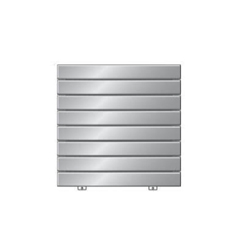
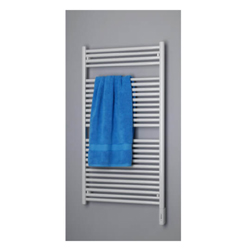
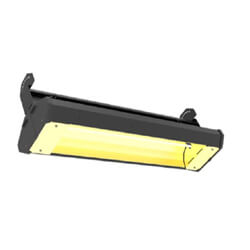
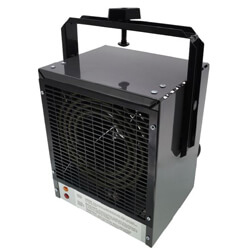

Subcategories
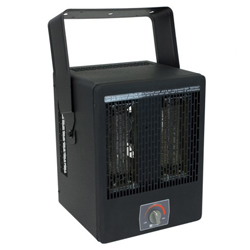
- Electric Unit Heaters: Unit heaters mount on a wall or ceiling bracket and use a fan to push heated air across a workshop, warehouse bay, or mechanical room. King Electric and Marley both build commercial unit heaters rated for 208 or 240 volt service with adjustable louvers to direct airflow toward the area that needs it most, making them a common choice for spot heating in open industrial spaces.
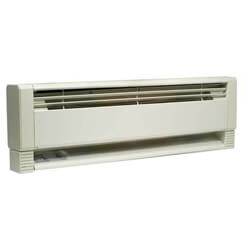
- Electric Baseboard Heaters: Baseboard heaters run along the base of a wall and heat a room through natural convection rather than a fan, which keeps them quiet for bedrooms and living spaces. Cadet's F Series baseboard heaters, for example, are available in lengths up to 72 inches and wattages up to 1500 watts on 240 volt circuits, sized to match the square footage of the room they serve.
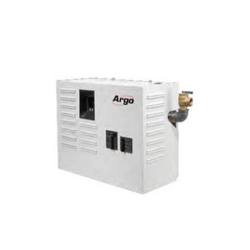
- Electric Boilers: Electric boilers heat water for a hydronic distribution system, baseboard loop, or radiant floor without burning any fuel on site, which simplifies venting and fits buildings where running a flue is not an option. Contractors often spec electric boilers for additions, garages, or secondary zones where tying into an existing gas boiler loop would mean an oversized pipe run for a small heating load.
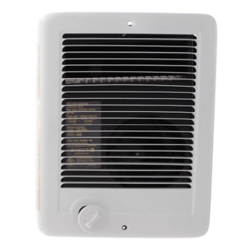
- Electric Ceiling & Wall Heaters: Ceiling and wall heaters mount flush or surface-mounted in bathrooms, offices, and small rooms where floor and wall space is limited. Fan-forced models bring a room to temperature faster than a baseboard unit, which makes them a common pick for bathrooms where quick, targeted heat matters more than continuous background warmth.
- Electric Garage Heaters: Garage heaters are built to handle the higher airflow and rougher duty cycle of an unheated garage or shop, often with two-stage heating so the unit can run at a lower wattage during mild weather and step up when the space is colder. King Electric's ECO2S garage heaters, for instance, pair two-stage heating with a built-in fan and remote control for jobs where a garage doubles as a workspace.
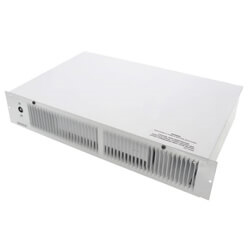
- Electric Kickspace Heaters: Kickspace heaters tuck into the toe space beneath a cabinet or vanity, using a small fan to push warm air across a floor where a baseboard or wall unit would not fit. They show up most often in kitchens and bathrooms with cabinetry that blocks conventional heater placement, and many models offer field-adjustable wattage so one unit covers a range of room sizes.
Buying Guide
Matching the heater to the electrical service available is the first step in any electric heating job. A 120 volt circuit limits output and works fine for a small kickspace or wall unit, while whole-room baseboard, unit, and garage heaters typically need a dedicated 208 or 240 volt circuit sized to the heater's wattage.
Square footage and ceiling height drive wattage selection more than any other factor. A poorly insulated garage or a room with high ceilings needs more wattage per square foot than a well-insulated bedroom, so pulling actual room dimensions and insulation details before quoting a job avoids an undersized heater that runs constantly without keeping up.
Mounting location narrows the options fast. A bathroom with limited wall space calls for a ceiling or wall-mounted fan-forced unit, a kitchen with base cabinets blocking the floor line calls for a kickspace heater, and an open garage or shop calls for a ceiling-hung unit heater that can push air across the whole bay.
Primary heat versus supplemental heat changes the sizing math. A unit meant to be the only heat source for a room needs to be sized for the coldest expected day, while a heater meant to take the edge off a space that already has some heat can run smaller and cost less to install.
Controls matter as much as the heating element. Built-in thermostats, two-stage operation, and remote controls add convenience and can cut down on wasted run time compared with a heater wired straight to a wall switch, and matching the control type to how the space actually gets used pays off in lower operating costs over the life of the unit.
Frequently Asked Questions
What size electric baseboard heater is needed for a room?
Sizing depends on square footage, ceiling height, insulation quality, and local climate, but a rough starting point many contractors use is around 10 watts per square foot for an averagely insulated room, then adjusting up for poor insulation or high ceilings and down for a well-insulated space.
Can an electric boiler replace a gas boiler in an existing hydronic system?
An electric boiler can replace a gas boiler in most hydronic setups as long as the electrical service has enough capacity for the boiler's amperage draw, since electric boilers connect to the same baseboard, radiator, or radiant piping a gas boiler would use.
What is the difference between a unit heater and a garage heater?
Garage heaters are unit heaters built for the specific demands of an unheated garage, including tougher cabinets, two-stage heating for varying conditions, and mounting hardware suited to a garage ceiling, while a general unit heater covers a broader range of commercial and industrial spaces.
Why choose a kickspace heater instead of a baseboard heater?
Kickspace heaters fit where cabinetry or vanities block the wall space a baseboard heater would need, using a fan to move warm air across the floor from the toe space beneath a cabinet, which makes them the practical choice for kitchens and small bathrooms.
Do electric ceiling and wall heaters need a dedicated circuit?
Most fan-forced ceiling and wall heaters draw enough current to need a dedicated circuit sized to the manufacturer's electrical specifications, so checking the nameplate amperage against the panel's available capacity before installation prevents a tripped breaker or an overloaded circuit.
Resources
Subcategories
- Electric Unit Heaters: Unit heaters mount on a wall or ceiling bracket and use a fan to push heated air across a workshop, warehouse bay, or mechanical room. King Electric and Marley both build commercial unit heaters rated for 208 or 240 volt service with adjustable louvers to direct airflow toward the area that needs it most, making them a common choice for spot heating in open industrial spaces.
- Electric Baseboard Heaters: Baseboard heaters run along the base of a wall and heat a room through natural convection rather than a fan, which keeps them quiet for bedrooms and living spaces. Cadet's F Series baseboard heaters, for example, are available in lengths up to 72 inches and wattages up to 1500 watts on 240 volt circuits, sized to match the square footage of the room they serve.
- Electric Boilers: Electric boilers heat water for a hydronic distribution system, baseboard loop, or radiant floor without burning any fuel on site, which simplifies venting and fits buildings where running a flue is not an option. Contractors often spec electric boilers for additions, garages, or secondary zones where tying into an existing gas boiler loop would mean an oversized pipe run for a small heating load.
- Electric Ceiling & Wall Heaters: Ceiling and wall heaters mount flush or surface-mounted in bathrooms, offices, and small rooms where floor and wall space is limited. Fan-forced models bring a room to temperature faster than a baseboard unit, which makes them a common pick for bathrooms where quick, targeted heat matters more than continuous background warmth.
- Electric Garage Heaters: Garage heaters are built to handle the higher airflow and rougher duty cycle of an unheated garage or shop, often with two-stage heating so the unit can run at a lower wattage during mild weather and step up when the space is colder. King Electric's ECO2S garage heaters, for instance, pair two-stage heating with a built-in fan and remote control for jobs where a garage doubles as a workspace.
- Electric Kickspace Heaters: Kickspace heaters tuck into the toe space beneath a cabinet or vanity, using a small fan to push warm air across a floor where a baseboard or wall unit would not fit. They show up most often in kitchens and bathrooms with cabinetry that blocks conventional heater placement, and many models offer field-adjustable wattage so one unit covers a range of room sizes.
Buying Guide
Matching the heater to the electrical service available is the first step in any electric heating job. A 120 volt circuit limits output and works fine for a small kickspace or wall unit, while whole-room baseboard, unit, and garage heaters typically need a dedicated 208 or 240 volt circuit sized to the heater's wattage.
Square footage and ceiling height drive wattage selection more than any other factor. A poorly insulated garage or a room with high ceilings needs more wattage per square foot than a well-insulated bedroom, so pulling actual room dimensions and insulation details before quoting a job avoids an undersized heater that runs constantly without keeping up.
Mounting location narrows the options fast. A bathroom with limited wall space calls for a ceiling or wall-mounted fan-forced unit, a kitchen with base cabinets blocking the floor line calls for a kickspace heater, and an open garage or shop calls for a ceiling-hung unit heater that can push air across the whole bay.
Primary heat versus supplemental heat changes the sizing math. A unit meant to be the only heat source for a room needs to be sized for the coldest expected day, while a heater meant to take the edge off a space that already has some heat can run smaller and cost less to install.
Controls matter as much as the heating element. Built-in thermostats, two-stage operation, and remote controls add convenience and can cut down on wasted run time compared with a heater wired straight to a wall switch, and matching the control type to how the space actually gets used pays off in lower operating costs over the life of the unit.
Frequently Asked Questions
What size electric baseboard heater is needed for a room?
Sizing depends on square footage, ceiling height, insulation quality, and local climate, but a rough starting point many contractors use is around 10 watts per square foot for an averagely insulated room, then adjusting up for poor insulation or high ceilings and down for a well-insulated space.
Can an electric boiler replace a gas boiler in an existing hydronic system?
An electric boiler can replace a gas boiler in most hydronic setups as long as the electrical service has enough capacity for the boiler's amperage draw, since electric boilers connect to the same baseboard, radiator, or radiant piping a gas boiler would use.
What is the difference between a unit heater and a garage heater?
Garage heaters are unit heaters built for the specific demands of an unheated garage, including tougher cabinets, two-stage heating for varying conditions, and mounting hardware suited to a garage ceiling, while a general unit heater covers a broader range of commercial and industrial spaces.
Why choose a kickspace heater instead of a baseboard heater?
Kickspace heaters fit where cabinetry or vanities block the wall space a baseboard heater would need, using a fan to move warm air across the floor from the toe space beneath a cabinet, which makes them the practical choice for kitchens and small bathrooms.
Do electric ceiling and wall heaters need a dedicated circuit?
Most fan-forced ceiling and wall heaters draw enough current to need a dedicated circuit sized to the manufacturer's electrical specifications, so checking the nameplate amperage against the panel's available capacity before installation prevents a tripped breaker or an overloaded circuit.