




Electric Tankless Water Heaters
Electric tankless water heaters heat water on demand as it passes through the unit, rather than storing and continually reheating a tank of hot water. An electric heating element inside the unit activates when a hot water tap opens, so the unit only draws power while hot water is actually being used. It also takes up far less physical space than a tank-style heater.
Because they heat water only on demand, electric tankless units are often installed to serve a single fixture or a small point of use, such as a remote bathroom, a bar sink, or an outbuilding. This suits locations where running a hot water line back to a central tank heater is impractical. Sizing one correctly to the flow rate and temperature rise it needs to produce is central to whether it delivers adequate hot water at the fixture it serves.


Subcategories
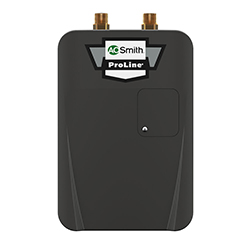
- AO Smith Electric Tankless Water Heaters: AO Smith electric tankless water heaters are available in a range of power ratings for point-of-use and whole-home applications, providing on-demand hot water without a storage tank.
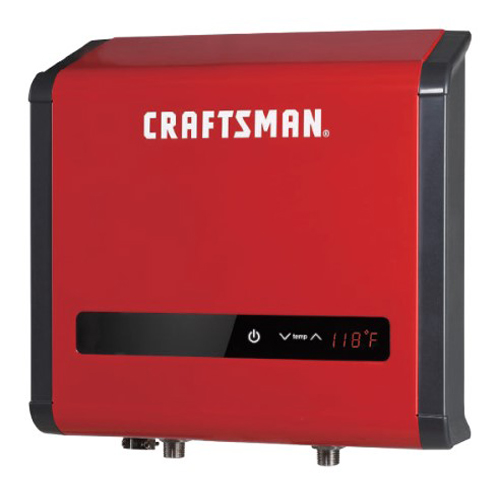
- Craftsman Tankless Electric Water Heaters: Craftsman tankless electric water heaters are compact, on-demand units. They are generally suited to point-of-use applications, such as a single sink or small fixture, where space for a storage tank is limited.
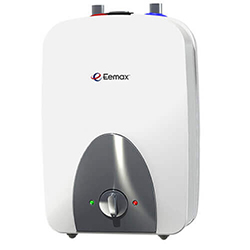
- Eemax Electric Tankless Water Heaters: Eemax electric tankless water heaters cover both small point-of-use models and larger units designed for whole-home or light commercial demand. Output is sized to the number of fixtures the unit is expected to serve at once.
- Rheem Electric Tankless Water Heaters: Rheem electric tankless water heaters range from compact point-of-use models to higher-capacity units intended to cover multiple fixtures in a home. Selection is based on the incoming water temperature and the flow rate needed.
- Stiebel Eltron Electric Tankless Water Heaters: Stiebel Eltron electric tankless water heaters include both point-of-use and whole-house models, with output ratings that determine how many fixtures can draw hot water from the unit simultaneously.
Buying Guide
Sizing an electric tankless water heater starts with two numbers. The first is the flow rate needed at the fixtures it will serve. The second is the temperature rise required to bring incoming water up to a usable hot water temperature. Colder incoming groundwater temperatures require more heating power to reach the same output temperature, which affects which model is adequate for a given climate.
Electrical capacity is a major factor with electric tankless units. Larger models draw significant amperage and may require a dedicated circuit or, in some cases, an electrical service upgrade. Confirming that the home or building's electrical panel can support the unit's draw is a necessary step before selecting a model.
Point-of-use versus whole-house application changes which unit makes sense. A small point-of-use unit installed close to a single fixture, such as a bathroom sink or bar, delivers hot water with less wait time and lower standby loss. A whole-house unit is sized to cover simultaneous use across multiple fixtures.
Installation location affects both the unit selected and how it performs. Mounting a unit close to the fixture it serves reduces the length of pipe the heated water travels through. This shortens wait time at the tap and reduces heat loss along the line compared with a unit installed farther away.
Incoming water quality can also factor into the decision, since mineral content in hard water can affect the heating element over time in any electric water heater. Some installations pair a tankless unit with a water treatment system upstream to help protect the heating element on harder water supplies.
Frequently Asked Questions
How is an electric tankless water heater sized for a home?
Sizing depends on the required flow rate in gallons per minute and the temperature rise needed to bring incoming water up to a usable temperature. Colder incoming water requires more heating capacity for the same output. Reviewing both numbers together determines which unit or combination of units is adequate.
Does an electric tankless water heater need a dedicated electrical circuit?
Most whole-house electric tankless units draw significant amperage and require a dedicated circuit, and larger models may require an electrical service upgrade to supply enough power. Point-of-use units generally draw less power but should still be checked against the circuit they will run on.
What is the difference between a point-of-use and a whole-house electric tankless unit?
A point-of-use unit is sized to serve a single fixture or a small area, such as a bathroom or bar sink, and installs close to that fixture. A whole-house unit is sized to cover simultaneous hot water demand across multiple fixtures throughout a home.
Do electric tankless water heaters work well with hard water?
Mineral content in hard water can affect the heating element over time in any electric water heater. Pairing a tankless unit with upstream water treatment can help protect the heating element in areas with harder water.
Why does installation location matter for a tankless unit?
Installing a unit closer to the fixture it serves shortens the length of pipe hot water travels through. This reduces wait time at the tap and heat loss along the line. A unit installed far from the fixture it serves takes longer to deliver hot water even if it is properly sized.
Resources
Subcategories
- AO Smith Electric Tankless Water Heaters: AO Smith electric tankless water heaters are available in a range of power ratings for point-of-use and whole-home applications, providing on-demand hot water without a storage tank.
- Craftsman Tankless Electric Water Heaters: Craftsman tankless electric water heaters are compact, on-demand units. They are generally suited to point-of-use applications, such as a single sink or small fixture, where space for a storage tank is limited.
- Eemax Electric Tankless Water Heaters: Eemax electric tankless water heaters cover both small point-of-use models and larger units designed for whole-home or light commercial demand. Output is sized to the number of fixtures the unit is expected to serve at once.
- Rheem Electric Tankless Water Heaters: Rheem electric tankless water heaters range from compact point-of-use models to higher-capacity units intended to cover multiple fixtures in a home. Selection is based on the incoming water temperature and the flow rate needed.
- Stiebel Eltron Electric Tankless Water Heaters: Stiebel Eltron electric tankless water heaters include both point-of-use and whole-house models, with output ratings that determine how many fixtures can draw hot water from the unit simultaneously.
Buying Guide
Sizing an electric tankless water heater starts with two numbers. The first is the flow rate needed at the fixtures it will serve. The second is the temperature rise required to bring incoming water up to a usable hot water temperature. Colder incoming groundwater temperatures require more heating power to reach the same output temperature, which affects which model is adequate for a given climate.
Electrical capacity is a major factor with electric tankless units. Larger models draw significant amperage and may require a dedicated circuit or, in some cases, an electrical service upgrade. Confirming that the home or building's electrical panel can support the unit's draw is a necessary step before selecting a model.
Point-of-use versus whole-house application changes which unit makes sense. A small point-of-use unit installed close to a single fixture, such as a bathroom sink or bar, delivers hot water with less wait time and lower standby loss. A whole-house unit is sized to cover simultaneous use across multiple fixtures.
Installation location affects both the unit selected and how it performs. Mounting a unit close to the fixture it serves reduces the length of pipe the heated water travels through. This shortens wait time at the tap and reduces heat loss along the line compared with a unit installed farther away.
Incoming water quality can also factor into the decision, since mineral content in hard water can affect the heating element over time in any electric water heater. Some installations pair a tankless unit with a water treatment system upstream to help protect the heating element on harder water supplies.
Frequently Asked Questions
How is an electric tankless water heater sized for a home?
Sizing depends on the required flow rate in gallons per minute and the temperature rise needed to bring incoming water up to a usable temperature. Colder incoming water requires more heating capacity for the same output. Reviewing both numbers together determines which unit or combination of units is adequate.
Does an electric tankless water heater need a dedicated electrical circuit?
Most whole-house electric tankless units draw significant amperage and require a dedicated circuit, and larger models may require an electrical service upgrade to supply enough power. Point-of-use units generally draw less power but should still be checked against the circuit they will run on.
What is the difference between a point-of-use and a whole-house electric tankless unit?
A point-of-use unit is sized to serve a single fixture or a small area, such as a bathroom or bar sink, and installs close to that fixture. A whole-house unit is sized to cover simultaneous hot water demand across multiple fixtures throughout a home.
Do electric tankless water heaters work well with hard water?
Mineral content in hard water can affect the heating element over time in any electric water heater. Pairing a tankless unit with upstream water treatment can help protect the heating element in areas with harder water.
Why does installation location matter for a tankless unit?
Installing a unit closer to the fixture it serves shortens the length of pipe hot water travels through. This reduces wait time at the tap and heat loss along the line. A unit installed far from the fixture it serves takes longer to deliver hot water even if it is properly sized.