



'/%3E%3C/svg%3E)
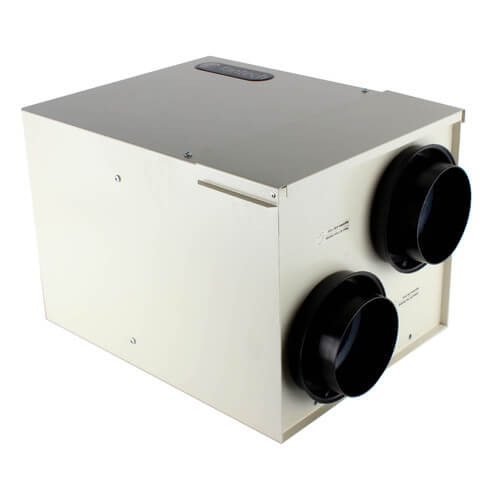
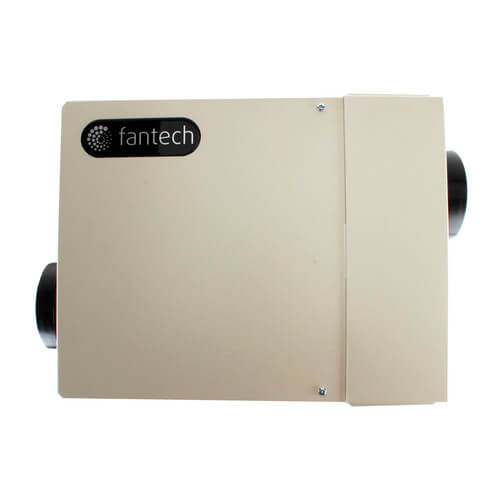
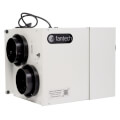
AEV Series Air Exchanger Ventilator, 5" Side Ports (120 CFM)
 --%3E %3Csvg version='1.1' id='Fill' xmlns='http://www.w3.org/2000/svg' xmlns:xlink='http://www.w3.org/1999/xlink' x='0px' y='0px' viewBox='0 0 100 100' enable-background='new 0 0 100 100' xml:space='preserve'%3E %3Cpath fill='%23F15C02' d='M79.44,0.95H20.56C9.78,0.95,0.95,9.78,0.95,20.56v58.87c0,10.79,8.82,19.61,19.61,19.61h58.87 c10.79,0,19.61-8.83,19.61-19.61V20.56C99.05,9.78,90.22,0.95,79.44,0.95z M65.38,58.24l9.38,29.58L49.69,69.78L24.5,87.82 l9.34-29.6L8.8,39.6l30.73-0.17c0,0,6.98-19.61,10-28.93c0.54,1.36,9.88,29.1,9.88,29.1H91.2L65.38,58.24z'/%3E %3C/svg%3E)
 --%3E %3Csvg version='1.1' id='With-RB' xmlns='http://www.w3.org/2000/svg' xmlns:xlink='http://www.w3.org/1999/xlink' x='0px' y='0px' viewBox='0 0 100 100' enable-background='new 0 0 100 100' xml:space='preserve'%3E %3Cpath fill='%23FBC8B4' d='M79.44,0.95H20.56C9.78,0.95,0.95,9.78,0.95,20.56v58.87c0,10.79,8.82,19.61,19.61,19.61h58.87 c10.79,0,19.61-8.83,19.61-19.61V20.56C99.05,9.78,90.22,0.95,79.44,0.95z M65.38,58.24l9.38,29.58L49.69,69.78L24.5,87.82 l9.34-29.6L8.8,39.6l30.73-0.17c0,0,6.98-19.61,10-28.93c0.54,1.36,9.88,29.1,9.88,29.1H91.2L65.38,58.24z'/%3E %3C/svg%3E)
' fill='%23F15C02' d='M49 0C21.938 0 0 21.938 0 49s21.938 49 49 49 49-21.938 49-49S76.062 0 49 0m0 82.709a7.54 7.54 0 1 1 0-15.08 7.54 7.54 0 0 1 0 15.08m7.54-28.412a7.541 7.541 0 0 1-15.08 0V22.831a7.54 7.54 0 0 1 15.08 0v31.466z'/%3E%3C/svg%3E)
MANUALS (2)
'/%3E%3C/svg%3E)
 --%3E %3Csvg version='1.1' id='Half' xmlns='http://www.w3.org/2000/svg' xmlns:xlink='http://www.w3.org/1999/xlink' x='0px' y='0px' viewBox='0 0 100 100' enable-background='new 0 0 100 100' xml:space='preserve'%3E %3Cg%3E %3Cpath fill='%23F15C02' d='M30.05,70.23l3.79-12.01L8.8,39.6l30.73-0.17c0,0,6.98-19.61,10-28.93c0.54,1.36,9.88,29.1,9.88,29.1h1.58 L93.71,7.18c-3.58-3.82-8.66-6.23-14.28-6.23H20.56C9.78,0.95,0.95,9.78,0.95,20.56v58.87c0,5.41,2.22,10.32,5.79,13.88 L30.05,70.23z'/%3E %3C/g%3E %3Cpath fill='%23FBC8B4' d='M93.71,7.18L60.98,39.6H91.2L65.38,58.24l9.38,29.58L49.69,69.78L24.5,87.82l5.55-17.59L6.75,93.32 c3.55,3.54,8.44,5.73,13.82,5.73h58.87c10.79,0,19.61-8.83,19.61-19.61V20.56C99.05,15.4,97.01,10.69,93.71,7.18z'/%3E %3C/svg%3E)

Product Highlights


Description
Fantech AEV's are designed to run continuous or on intermittent, giving the homeowner complete control over their air quality. Continuous low speed ventilation is recommended, which will help eliminate carbon dioxide, voc's and other gases as well as freshen up the home. Intermittent high speed ventilation can be obtained through a variety of optional remote controls.
Features:
- Powder coated 22 gauge galvanized steel cabinet
- Insulated with 1" polystyrene foam to prevent condensation
- German-engineered, factory-balanced ebm backward inclined motorized impeller.
- 120 CFM (50 CFM outside air exchanger)
- Washable synthetic filter
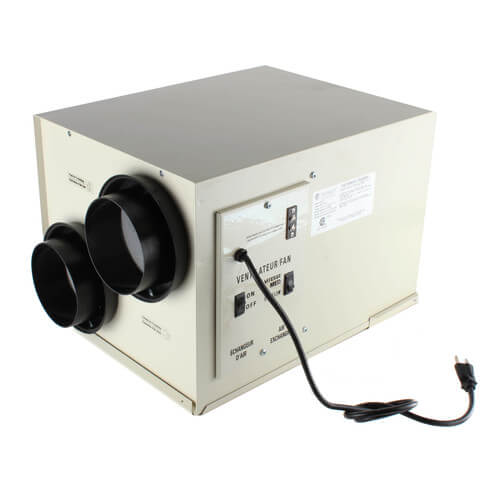
- External 3 position switch (Low/Standby/Medium)
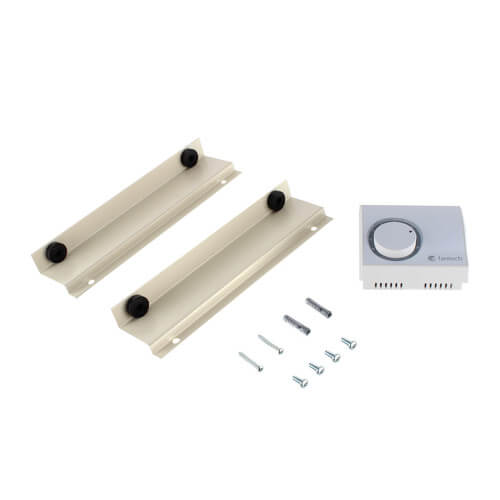
- Optional controls available
- External screw type dry contacts for optional controls
- 3' plug-in power cord w/ 3-prong plug
- 5" supply and exhaust ducts
Specs
| Duct Size: | 5" |
|---|---|
| Voltage: | 115V |
| Amperage: | 0.7 |
| Hertz: | 60 |
| Wattage: | 81 |
| Air Flow Capacity (CFM): | 120 |
| Length: | 18-3/16" |
| Width (Inches): | 12-1/2" |
| Height (Inches): | 14" |
| Weight (lbs): | 25 lbs |
| Warranty: | 7 Year Limited (Motor) 5 Year Limited (Electrical Components) |

Questions?
4 Replacement Parts

Need help finding a replacement part?
Product Reviews
Used for the 3rd project

Works great
good equipment
FANTASTIC FAN TECH PRODUCT FORM AN EXCELENT DISTRIBUTO
Don't judge this book by its cover
Very Satisfied
Product Q&A
6 QuestionsQ: is there a core or is it just a mixing box?
Asked by Jason 9 years ago
Add your answer
Verified Reply- SupplyHouse StaffIt does not have a core. It's designed to provide fresh air into a building while exhausting an equal amount of stale air. During the winter months, the incoming cold fresh air is warmed by mixing it with return air before it is supplied to the home. During summer months when the indoor space is air conditioned, the AEV will help in cooling the incoming fresh air with the stale air that is being exhausted.
Q: Would this unit work to clean the air in my den where I smoke cigars? I am looking for a way to clean the air without using my window fan in the winter.
Asked by Cigar Smoker Kenny 12 years ago
Add your answer
Hi, It will certainly help bring fresh air into the room without losing all your heat out through the exhaust. It is not a high efficiency unit especially in the winter. I would not characterize it as an air cleaner. I use my unit in a basement where I do not have a window. It is not a fast exchange but you should be able to change the air out in the room several times per day. Hope that helps.
Yes it will help, but since it does send some of the exhaust air back into the house it won't keep your room from smelling like old cigars. You would be better off installing a good range hood and a passive intake air vent.
Q: can this unit be installed in the attic?
Asked by gordy 12 years ago
Add your answer
According to the installation guide attic install is not recommended. The unit should be installed in a heated space and accessible for cleaning. My unit is in the basement and I have insulated ducting to minimize condensation issues with the difference in temperature from the inside air to outside air.
Q: I'm looking at needing an air exchange unit that does not connect into a furnace system as we only have a boiler with hydronic heat tubes running through our concrete floor (not a forced air with duct type furnace)Is this air exchange designed and intended to use as just a separate unit by itself ducted in and out of the house by itself without going through a furnace & ductwork?
Asked by Tom 13 years ago
Add your answer
Hello Tom, I bought and installed one of these a few years ago - my home has the same situation yours does. To answer your question, yes this is what it's designed for. You'll need to hook it up to some flexible air duct which is available in lots of different stores. One intake will come from outside, and one intake will come from somewhere in your heated/ventilated area, one exhaust will go outside - far away from the intake and the other exhaust will go somewhere in your heated/ventilated living space - far away from your intake. The flexible ductwork makes it pretty easy to set up. I wired mine to a humidistat and it works pretty well. good luck, Ken
Yes, I used this air exchanger ducted directly to the house and outdoors (intake and exhaust each). A caveat that I'm a DIYer and not a profession contractor but the building inspector recommended this unit and said it was installed correctly. Steve Partlow
Yes it has its own fan so can run stand alone. Not the fanciest or most efficient design though compared to the ones called energy recovery ventilators.
yes
This unit is intended to be standalone. You will have to run dedicated ducting for inlet and exhaust. I use the unit to ventilate an office space and storage room in my basement that have no windows. The units efficiency depends largely on the outside temperature. The unit works as expected.
In short, yes. Standalone is how it is made to be used. Very quiet unit and does the job. Just to note, it slightly warms the intake air by mixing it with the out going air. This is not an air to air heat exchanger. But it does an excellent job of removing humid air from the house without creating a depressurized situation.
Yes. This is a stand alone unit. It's very quite. I have it running all the time in my finished basement. The air ther is crisp and clean. I installed it myself. I placed the unit in an unfinished area near an oulet and ran the inflow at one end and the exhaust in the bathroom because that's where the most moisture is. You just need to make sure you get a hole-saw the size of your duct work. You need tin snips, foil/ metal tape and flexible and ridged ducts. Ok. Sent from AT&T Uverse
Q: How big a home is this unit for? (Square feet)
Asked by Lynette 13 years ago
Add your answer
I think it's rated for 1800sq ft. I used it for my. 900 sq ft basement. It keeps the air cris. You can increase the fan speed for decreased humidity Sent from AT&T Uverse
I think it would be adequate for up to 2400 square feet. It is only a ventilator that mixes incoming air with outgoing air, not a air to air heat exchanger. It does a good quiet job of ventilating and thus reducing humidity in winter climates.
Not quite sure of its capacity but have used it many times in finished basements up to 1200 sf and it worked perfectly.
Q: Can I use this unit in a bathroom to remove the humid air and bring in fresh air? (not have a exhaust fan?) Or will that be to much humidity for this unit?
Asked by RR 14 years ago
Add your answer
Verified Reply- PexSupply StaffIf there is high humidity outside, it will bring that humidity in. The manufacturer suggests an ERV or HRV.
Would not recommend for that application. Part of unit are unisulated and would build and drip condensation if it were cold outside especially in a humid bathroom. Also requires insulated duct and unless unit runs constantly you have to filter intake air as insects can enter. Just put in a regular bath fan and tie into a timer switch so it cant be left on and it wont waste that much thermal energy.
That is exactly how I used. It comes with a humidity detector and will switch into high speed automatically when humidity exceeds a custom setting. The unit is extremely quiet. I recommend it.