




Fire Alarm Accessories


 --%3E %3Csvg version='1.1' id='No-RB' xmlns='http://www.w3.org/2000/svg' xmlns:xlink='http://www.w3.org/1999/xlink' x='0px' y='0px' viewBox='0 0 100 100' enable-background='new 0 0 100 100' xml:space='preserve'%3E %3Cpath fill='%23CECECE' d='M79.44,0.95H20.56C9.78,0.95,0.95,9.78,0.95,20.56v58.87c0,10.79,8.82,19.61,19.61,19.61h58.87 c10.79,0,19.61-8.83,19.61-19.61V20.56C99.05,9.78,90.22,0.95,79.44,0.95z M65.38,58.24l9.38,29.58L49.69,69.78L24.5,87.82 l9.34-29.6L8.8,39.6l30.73-0.17c0,0,6.98-19.61,10-28.93c0.54,1.36,9.88,29.1,9.88,29.1H91.2L65.38,58.24z'/%3E %3C/svg%3E)



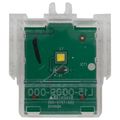





Fire alarm accessories cover the mounting hardware, wiring components, and auxiliary devices that support a fire alarm system beyond its core detectors, panels, and notification appliances. Back boxes and trim rings give pull stations, horns, and strobes a clean, code-compliant mounting surface on drywall or masonry. Synchronization modules coordinate strobe flash rates and horn tones across a building so occupants get a single, unified alert instead of overlapping signals. Battery packs and standby power supplies keep a fire alarm control panel operating through a utility outage, which most jurisdictions require as part of the system's listing. Electricians and fire alarm technicians rely on these accessories to finish an installation to code and to keep an existing system serviceable as parts age out. Matching accessory ratings to the specific panel and device brand in use is the detail that keeps an inspection from turning into a rework order.
Subcategories
- Back Boxes and Trim Rings: Back boxes provide the recessed or surface-mount enclosure that a pull station, horn, or strobe sits in, while trim rings finish the opening against drywall or masonry. Electricians select surface-mount boxes for retrofit jobs where cutting into a finished wall isn't practical. Box depth and knockout pattern need to match the device being installed. A mismatched trim ring is one of the most common punch-list items on a fire alarm inspection.
- Synchronization Modules: Synchronization modules coordinate the flash rate of strobes and the tone pattern of horns across multiple devices on the same circuit. Fire alarm technicians install them on larger buildings where unsynchronized strobes could otherwise trigger photosensitive seizures under code. A single module typically covers a set circuit load, so larger buildings may need more than one. Confirming compatibility with the panel's notification appliance circuit is the key spec to check before ordering.
- Standby Batteries and Power Supplies: Standby batteries keep a fire alarm control panel and its notification devices running during a utility power outage, and local fire codes generally require enough standby capacity to cover an extended outage rather than a momentary one. Technicians replace these on a scheduled basis since sealed lead-acid batteries degrade even without heavy use. Power supplies distribute and regulate voltage to auxiliary devices drawing more current than the panel itself can supply. Matching amp-hour rating to the panel manufacturer's battery calculation worksheet is standard practice during replacement.
- Remote Annunciators: Remote annunciators mirror a fire alarm control panel's status at a building entrance or security desk so responding personnel can see zone and device status without walking to the main panel. Facility managers in multi-story or multi-tenant buildings often add one at the fire department's designated point of entry. Annunciators wire back to the panel over a dedicated communication circuit rather than sharing the notification appliance circuit. Panel compatibility, not just annunciator brand, is the main spec to confirm before ordering.
Buying Guide
Selecting fire alarm accessories starts with the control panel already installed, since back boxes, synchronization modules, remote annunciators, and battery packs are rarely universal across panel manufacturers. Confirming panel brand and firmware version before ordering avoids the most common return: a synchronization module or annunciator that won't communicate with the existing system. For notification appliance circuits, calculating total current draw across horns, strobes, and any synchronization modules on that circuit determines whether the existing power supply can handle additional devices or whether an auxiliary power supply needs to go in alongside them. Fire alarm accessories that touch life-safety functions, like remote annunciators and standby batteries, typically need to match the panel manufacturer's listed and approved parts list rather than a generic equivalent, since inspectors check for listed compatibility during acceptance testing. Battery replacement projects should use the panel's own battery calculation worksheet to size amp-hour capacity correctly instead of guessing based on the old battery's rating, since standby and alarm current draw can change if devices were added to the system since the last replacement. Back boxes and trim rings are more flexible, since surface-mount styles work across most device brands, but confirming knockout size and mounting depth against the specific pull station, horn, or strobe being installed still avoids a mismatched fit in the field.
Frequently Asked Questions
Do fire alarm accessories need to match my panel's brand?
Components that touch life-safety functions, like remote annunciators, synchronization modules, and standby batteries, generally need to be listed and approved for the specific panel brand and model in use. Back boxes and trim rings are more flexible and often work across brands as long as the mounting dimensions match. Checking the panel manufacturer's approved parts list before ordering avoids a failed acceptance inspection. Local fire marshals typically verify listed compatibility during final sign-off.
How many devices can one synchronization module support?
Each synchronization module is rated for a set circuit load, so the number of horns and strobes it can coordinate depends on the specific module and the current draw of the connected devices. Larger buildings with multiple notification appliance circuits often need more than one module. Fire alarm technicians calculate total circuit current before selecting a module to confirm it has enough capacity. Panel compatibility matters as much as circuit load when making the selection.
How often should standby batteries be replaced?
Sealed lead-acid batteries used in fire alarm standby power degrade over time even without heavy use, so most technicians replace them on a scheduled interval rather than waiting for a failure. Annual load testing during routine inspections typically flags batteries that are losing capacity before they fail outright. Replacement batteries should match the panel's amp-hour requirement from its own calculation worksheet. Skipping scheduled replacement risks a standby failure during an actual power outage.
What's the difference between a back box and a trim ring?
A back box is the enclosure that houses a pull station, horn, or strobe behind the wall surface, while a trim ring is the cosmetic piece that finishes the opening flush against drywall or masonry. Surface-mount back boxes skip the recessed enclosure entirely for retrofit jobs where cutting into a wall isn't practical. Box depth and knockout pattern need to match the device being installed. Trim ring style is mostly a finish choice once the box and device are compatible.
Why would a building need a remote annunciator?
A remote annunciator lets responding personnel check a fire alarm system's zone and device status from a building entrance or security desk instead of walking to the main control panel. Multi-story and multi-tenant buildings commonly install one near the fire department's designated entry point. Annunciators communicate with the panel over a dedicated circuit rather than sharing the notification appliance wiring. Panel compatibility is the main spec to confirm before ordering one.
