




Firestop Putty & Pads

 --%3E %3Csvg version='1.1' id='Fill' xmlns='http://www.w3.org/2000/svg' xmlns:xlink='http://www.w3.org/1999/xlink' x='0px' y='0px' viewBox='0 0 100 100' enable-background='new 0 0 100 100' xml:space='preserve'%3E %3Cpath fill='%23F15C02' d='M79.44,0.95H20.56C9.78,0.95,0.95,9.78,0.95,20.56v58.87c0,10.79,8.82,19.61,19.61,19.61h58.87 c10.79,0,19.61-8.83,19.61-19.61V20.56C99.05,9.78,90.22,0.95,79.44,0.95z M65.38,58.24l9.38,29.58L49.69,69.78L24.5,87.82 l9.34-29.6L8.8,39.6l30.73-0.17c0,0,6.98-19.61,10-28.93c0.54,1.36,9.88,29.1,9.88,29.1H91.2L65.38,58.24z'/%3E %3C/svg%3E)
 --%3E %3Csvg version='1.1' id='Half' xmlns='http://www.w3.org/2000/svg' xmlns:xlink='http://www.w3.org/1999/xlink' x='0px' y='0px' viewBox='0 0 100 100' enable-background='new 0 0 100 100' xml:space='preserve'%3E %3Cg%3E %3Cpath fill='%23F15C02' d='M30.05,70.23l3.79-12.01L8.8,39.6l30.73-0.17c0,0,6.98-19.61,10-28.93c0.54,1.36,9.88,29.1,9.88,29.1h1.58 L93.71,7.18c-3.58-3.82-8.66-6.23-14.28-6.23H20.56C9.78,0.95,0.95,9.78,0.95,20.56v58.87c0,5.41,2.22,10.32,5.79,13.88 L30.05,70.23z'/%3E %3C/g%3E %3Cpath fill='%23FBC8B4' d='M93.71,7.18L60.98,39.6H91.2L65.38,58.24l9.38,29.58L49.69,69.78L24.5,87.82l5.55-17.59L6.75,93.32 c3.55,3.54,8.44,5.73,13.82,5.73h58.87c10.79,0,19.61-8.83,19.61-19.61V20.56C99.05,15.4,97.01,10.69,93.71,7.18z'/%3E %3C/svg%3E)


 --%3E %3Csvg version='1.1' id='No-RB' xmlns='http://www.w3.org/2000/svg' xmlns:xlink='http://www.w3.org/1999/xlink' x='0px' y='0px' viewBox='0 0 100 100' enable-background='new 0 0 100 100' xml:space='preserve'%3E %3Cpath fill='%23CECECE' d='M79.44,0.95H20.56C9.78,0.95,0.95,9.78,0.95,20.56v58.87c0,10.79,8.82,19.61,19.61,19.61h58.87 c10.79,0,19.61-8.83,19.61-19.61V20.56C99.05,9.78,90.22,0.95,79.44,0.95z M65.38,58.24l9.38,29.58L49.69,69.78L24.5,87.82 l9.34-29.6L8.8,39.6l30.73-0.17c0,0,6.98-19.61,10-28.93c0.54,1.36,9.88,29.1,9.88,29.1H91.2L65.38,58.24z'/%3E %3C/svg%3E)
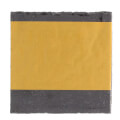
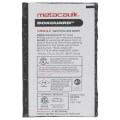
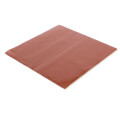

Firestop Putty & Pads are moldable, non-curing firestop materials that seal gaps around outlet boxes, conduit, and cable penetrations so fire and smoke cannot travel through a rated wall assembly. Electricians and fire-stopping contractors press the putty or pre-formed pads directly over and around metal electrical boxes, closing the small clearances code inspectors look for on rated partition walls. Independent testing rates many putty pad products for up to 3 hours in accordance with ASTM E814, UL 1479, and ULC/CAN4-S115-M standards, giving inspectors a documented basis for sign-off on fire-rated assemblies. Beyond fire performance, putty pads carry a Sound Transmission Class rating as high as 60, so the same product that stops flame spread also cuts sound transfer between adjacent rooms, a detail that matters in multifamily and hospitality construction where acoustic separation is part of the specification. Because these products intumesce, or expand, when heated, they form an insulating char that keeps the opening sealed even as surrounding materials burn, which is why code officials specify them on both new construction and retrofit fire-stopping jobs.
Subcategories
- Firestop Putty (Loose/Moldable): Firestop putty ships as a loose, hand-moldable compound rather than a pre-cut sheet, so installers can pack it into irregular openings that a flat pad cannot conform to. Electricians commonly use it around cable bundles, conduit runs, and odd-shaped penetrations where the gap does not match a standard pad size. The compound stays non-curing, so it can be reopened and reworked later if additional cable gets added to the same penetration. Ratings match the pad products, with common listings up to 3 hours per ASTM E814 and UL 1479.
- Standard Putty Pads (7 in. x 7 in.): Standard putty pads come pre-formed into flat sheets, most commonly sized 7 inches by 7 inches, so installers can press one directly onto a single or double gang electrical box without measuring or cutting material. Electrical contractors favor pads over loose putty on new construction because the fixed size speeds up repetitive box-by-box installation. Sizing to the box eliminates the guesswork of how much loose putty to pack around the edges. Like the putty compound, standard pads carry fire ratings up to 3 hours under ASTM E814 and UL 1479 test methods.
- Large-Format Putty Pads (9 in. x 9 in.): Large-format pads step up to a 9 inch by 9 inch sheet, giving installers enough material to cover bigger electrical boxes or two boxes mounted close together on the same stud bay. Fire-stopping contractors reach for the larger size on commercial jobs where back-to-back boxes fall inside the minimum separation distance code requires, commonly under 24 inches apart. A single large pad can sometimes replace two standard pads on these tight box layouts, cutting down on material waste and installation time. The larger footprint carries the same UL 1479 and ASTM E814 fire-test basis as the smaller pad sizes.
- Acoustic-Rated Pads (STC 60): Acoustic-rated putty pads carry a Sound Transmission Class rating as high as 60 in addition to their fire rating, so the same install stops both flame spread and sound transfer through the wall cavity. Multifamily and hospitality contractors specify these pads on demising walls between units, where code or the owner's specification calls out sound isolation alongside fire separation. Installers apply them the same way as standard putty pads, pressing the sheet directly onto the box with no additional labor step for the acoustic benefit. The dual rating lets one product satisfy two separate line items on a fire-stopping and acoustic submittal.
Buying Guide
Start with the wall assembly's required fire rating, since that number determines which putty pad listing applies. Pull the specific UL system number called out in the architectural drawings or fire-stopping schedule, then match a product tested and listed under that exact system rather than assuming any UL-rated pad works interchangeably across assemblies. Box size and layout come next: a single-gang box typically takes one standard 7 inch by 7 inch pad, while double-gang boxes or back-to-back boxes on opposite sides of the same stud bay often call for a 9 inch by 9 inch pad or two pads applied together. When outlet boxes fall within the minimum code-required separation distance on a shared wall, using Firestop Putty & Pads with the correct large-format size closes that gap without adding a second layer of fire caulk. On projects where the specification calls out acoustic performance in addition to fire rating, choosing a pad with a documented Sound Transmission Class number avoids a callback for a second acoustic treatment later. For odd-shaped penetrations, cable bundles, or conduit clusters, loose putty conforms better than a flat pad and is worth keeping alongside standard pads. Always confirm the product's listed hourly rating and test standard, typically ASTM E814 and UL 1479, against what the local inspector expects to see documented on submittal, since requirements can vary by jurisdiction.
Frequently Asked Questions
What's the difference between firestop putty and a putty pad?
Firestop putty is a loose, hand-moldable compound that installers pack around irregular penetrations, while a putty pad is a pre-formed sheet, typically 7 inches by 7 inches, that presses directly onto a standard electrical box. Both are non-curing and share similar fire ratings, so the choice usually comes down to the shape and size of the opening being sealed.
How long is a firestop putty pad rated to hold back fire?
Many firestop putty pad products carry ratings up to 3 hours when tested to ASTM E814 and UL 1479 standards. Actual rating depends on the specific product and the wall assembly it is installed in, so installers should confirm the listed hourly rating against the assembly requirement on the drawings.
Do putty pads help with sound as well as fire?
Some putty pad products carry a Sound Transmission Class rating as high as 60 in addition to their fire listing. Multifamily and hospitality projects that require both fire separation and acoustic isolation on demising walls often specify these dual-rated pads so one product covers both requirements.
What size putty pad fits a standard electrical box?
A 7 inch by 7 inch pad covers most single- and double-gang electrical boxes, while a 9 inch by 9 inch pad handles larger boxes or back-to-back box installations on the same wall. Selecting the correct size keeps the pad fully covering the box without needing to piece together multiple pads.
When do back-to-back electrical boxes need a putty pad?
Building codes commonly require fire-stopping treatment when electrical boxes on opposite sides of the same wall fall closer together than 24 inches. Applying a properly sized putty pad, often the larger 9 inch by 9 inch format, closes that gap and keeps the wall's fire rating intact.
